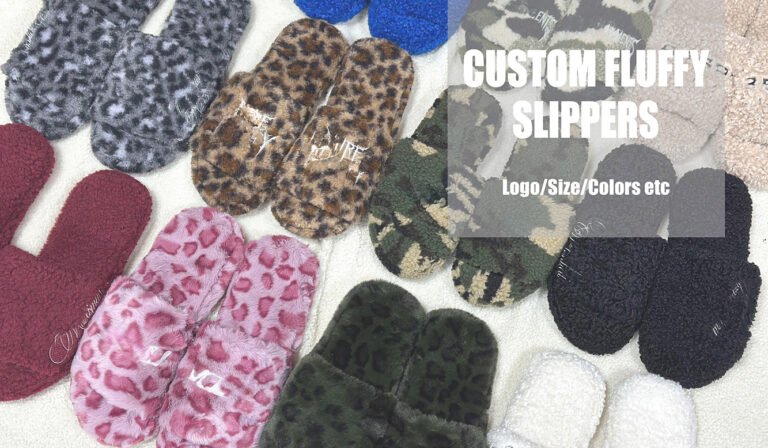
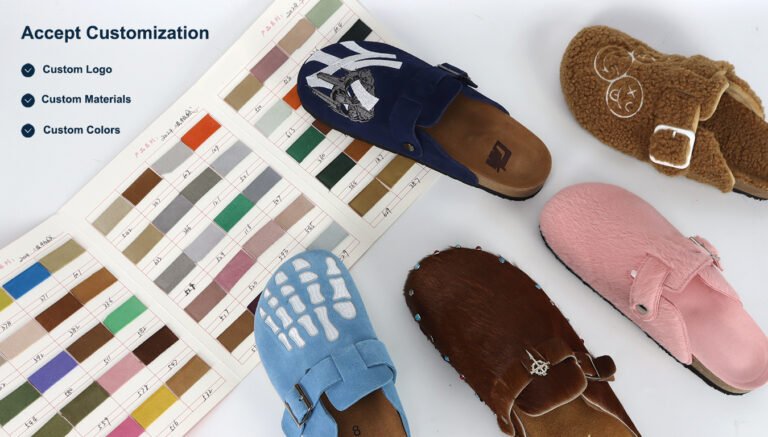
I once felt lost when ordering custom boots. Too many choices. Too many risks. A small mistake can ruin comfort and cost money.
To order custom sheepskin boots correctly, I follow a clear process: define design needs, confirm materials, finalize sizing, approve samples, and track production step by step with my supplier1. This reduces errors and ensures quality results.
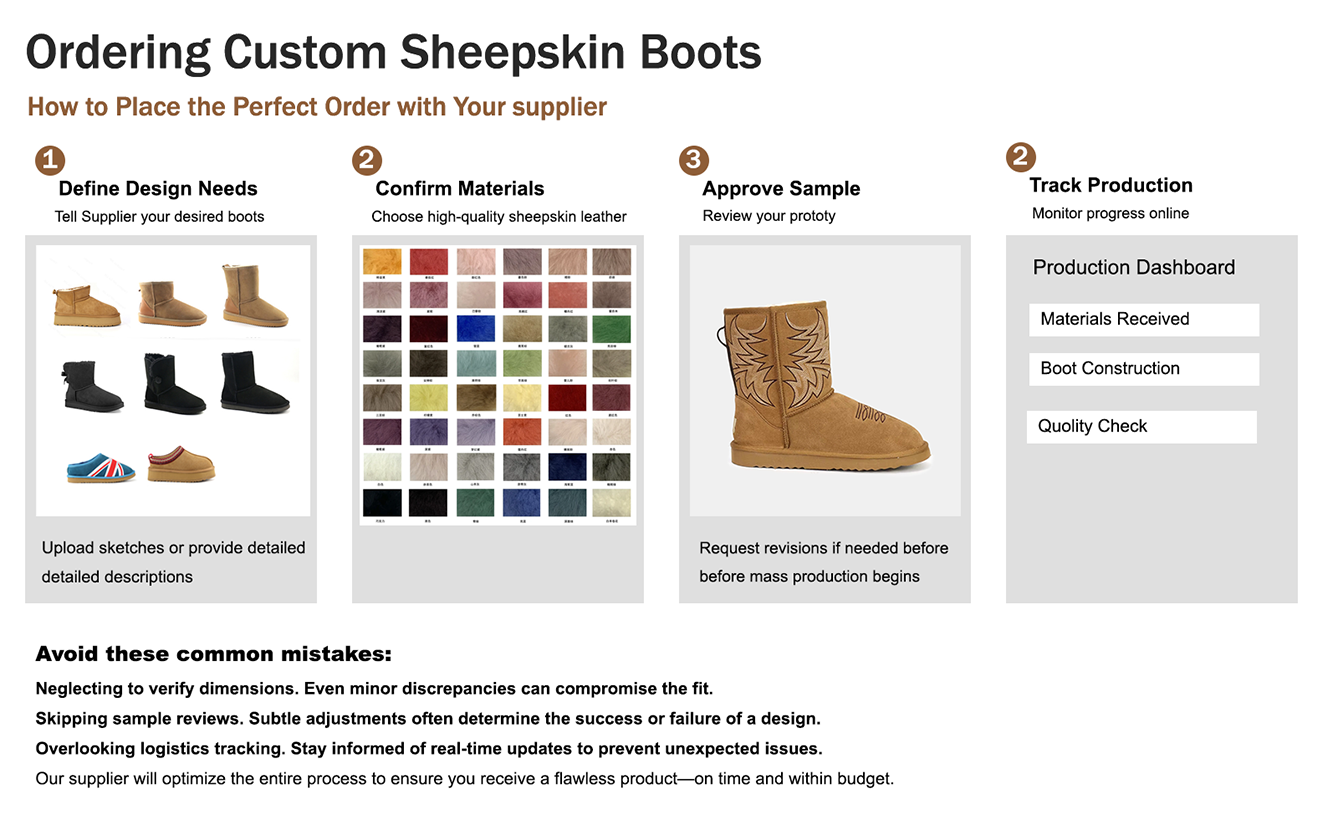
I learned this process through trial and error. I now use a simple system that keeps everything clear and avoids back-and-forth confusion.
What Should I Prepare Before Customizing Sheepskin Boots?
I used to jump into customization too fast. That caused delays and misunderstandings.
The best preparation includes design references, target price, quantity, logo files, and market positioning. A clear product design brief2 helps the factory give accurate feedback and timelines.
When I prepare for a custom order, I treat it like building a small product plan. I do not rely on vague ideas. I collect images, define my target customer, and set a rough budget.
I also think about my brand identity. Am I targeting luxury, comfort, or trendy buyers? This affects everything from sole thickness to wool quality.
How Do I Choose the Right Materials and Construction?
I once chose the wrong wool grade. The boots looked good but felt cheap.
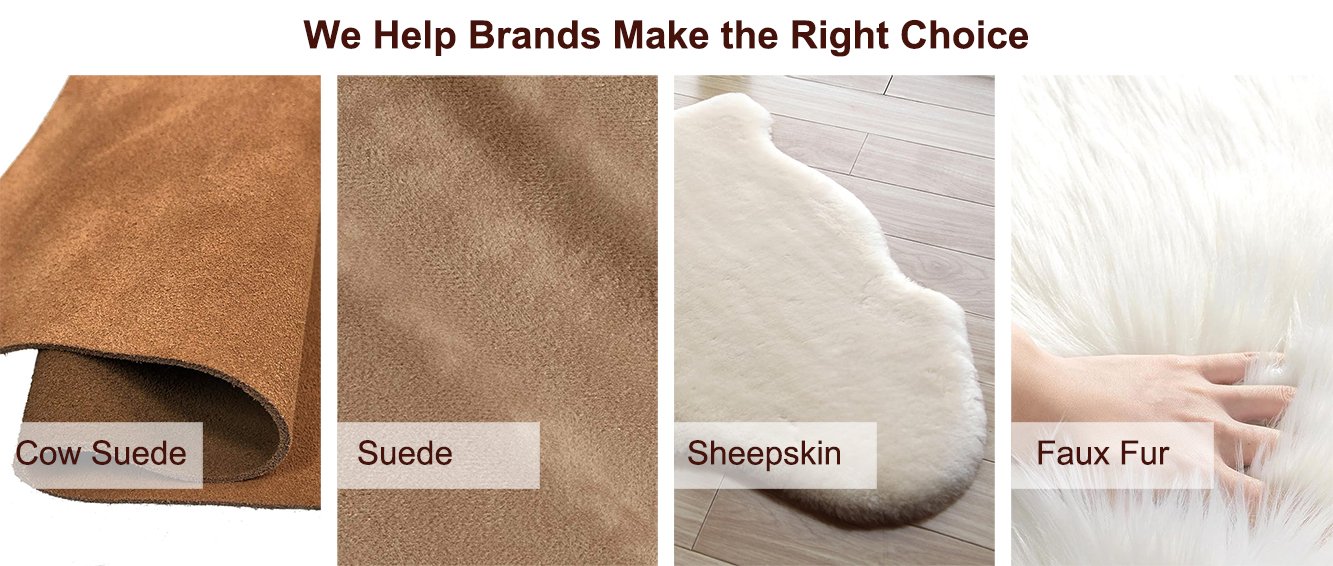
To choose materials, I confirm wool density, upper fabric, sole type, and lining quality. Understanding double-face sheepskin3 versus suede is critical.
There are key components I focus on:
Upper Material
- Double-face sheepskin (premium)
- Cow suede (budget option)
Wool Quality
- Australian wool4 (soft and dense)
- Local wool (lower cost, less dense)
Sole Options
How Do I Confirm Sizes and Fit Accurately?
Sizing mistakes are expensive. I learned this the hard way.
To ensure correct sizing, I use a shoe size conversion chart6, confirm shoe lasts7, and request fit samples before bulk production.

Sizing is not just about numbers. Different factories use different lasts. This changes how the boot feels on the foot.
What Happens During Sampling and Approval?
I used to rush sampling. That caused production issues later.
The sampling stage follows a structured footwear sampling process8. I never skip detailed checks at this stage.
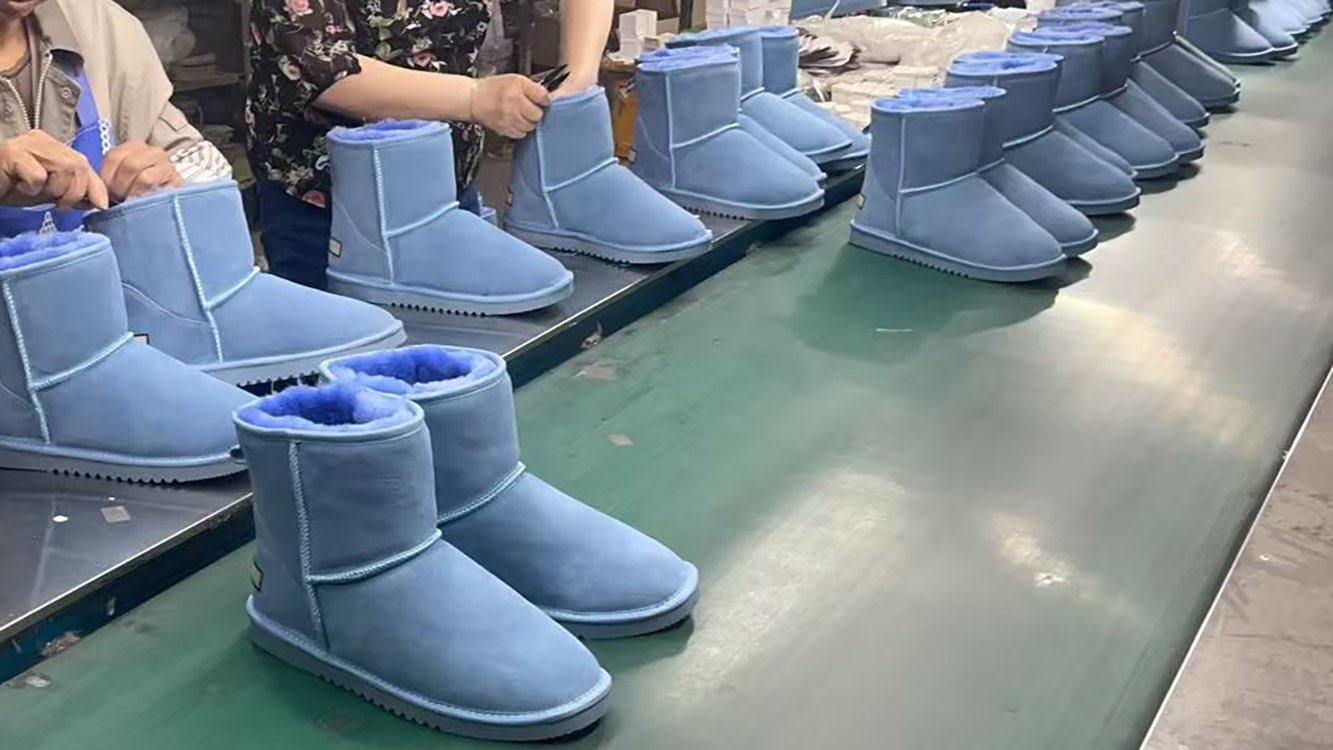
Sampling is where ideas become real products. I check every detail, not just the look.
How Do I Manage Production and Delivery Smoothly?
Production delays used to stress me. Now I control the process better.
To manage production, I follow a clear footwear production timeline9, confirm milestones, and communicate regularly.
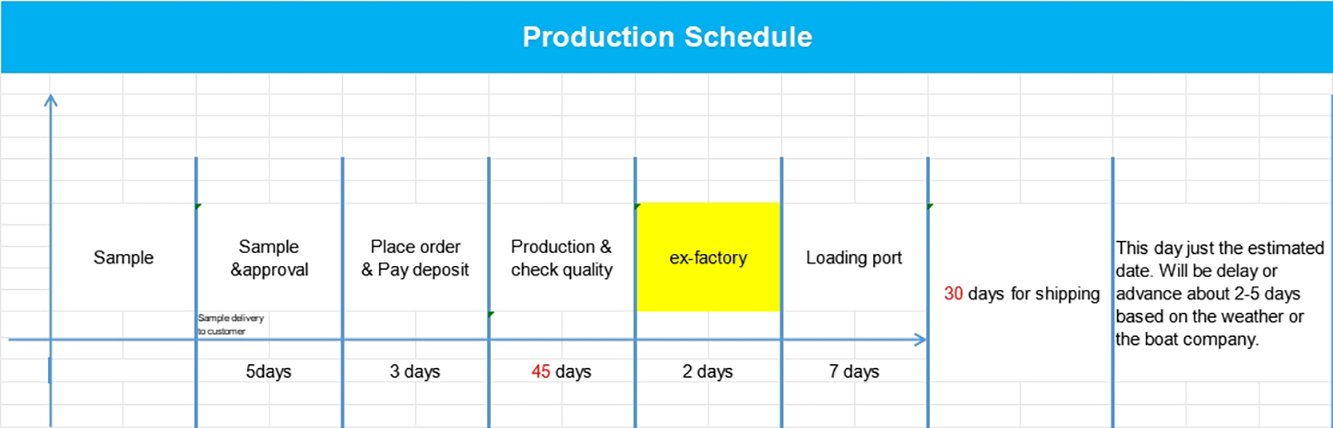
Before shipping, I always perform a quality inspection checklist10 to avoid costly mistakes.
Conclusion
I follow a clear step-by-step process to avoid mistakes, reduce risk, and ensure my custom sheepskin boots meet both quality and market expectations.
Footnote
Understanding the full custom footwear manufacturing process helps buyers reduce mistakes and manage suppliers more effectively. ↩
A product design brief ensures clear communication with suppliers, reducing errors and speeding up production. ↩
Learning the difference between double-face sheepskin and suede helps buyers choose the right balance of quality and cost. ↩
Comparing Australian wool with local wool helps buyers select materials based on softness, durability, and target market expectations. ↩
Knowing the differences between EVA and rubber soles helps buyers balance cost, comfort, and durability. ↩
A reliable shoe size conversion chart helps prevent sizing errors across international markets. ↩
Understanding shoe lasts explains why fit varies even within the same size, improving product comfort. ↩
The footwear sampling process ensures product quality before mass production, reducing risk. ↩
Understanding production timelines helps buyers plan inventory and avoid delays. ↩
A pre-shipment inspection checklist helps identify defects before delivery, avoiding returns and complaints. ↩