Many buyers lose money when slippers look common, feel average, or fail to match their brand. I have seen this problem slow growth and hurt repeat orders.
Custom leather slippers1 are often worth the investment because they help me build a stronger brand identity2, improve product fit, control quality, and create products that customers remember and buy again.
I often see buyers start with simple ready-made products because they look easy and low risk. Still, after some time, many ask the same question. Why does the product feel hard to grow? This is where the real difference between custom and off-the-shelf slippers starts to matter.
What Makes Custom Leather Slippers Different From Off-the-Shelf Options?
Buying slippers that look like everyone else can make a brand feel forgettable. I have worked with buyers who struggled to explain why customers should choose their product over cheaper options.
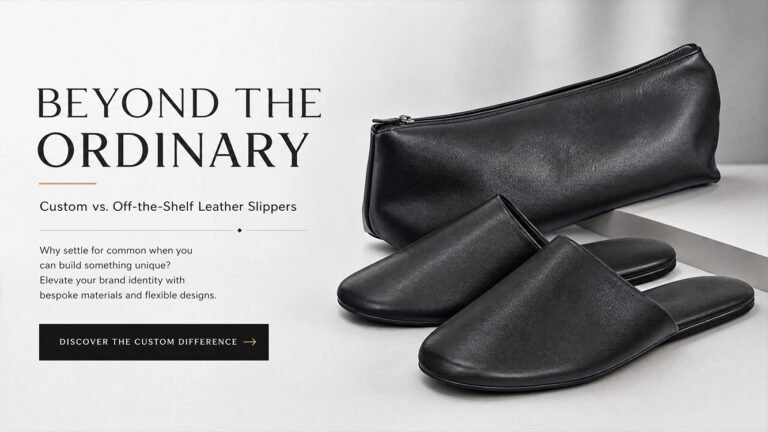
Custom leather slippers1 differ from off-the-shelf products because I can change materials, fit, logos, colors, packaging, and details to match my brand goals and customer needs.
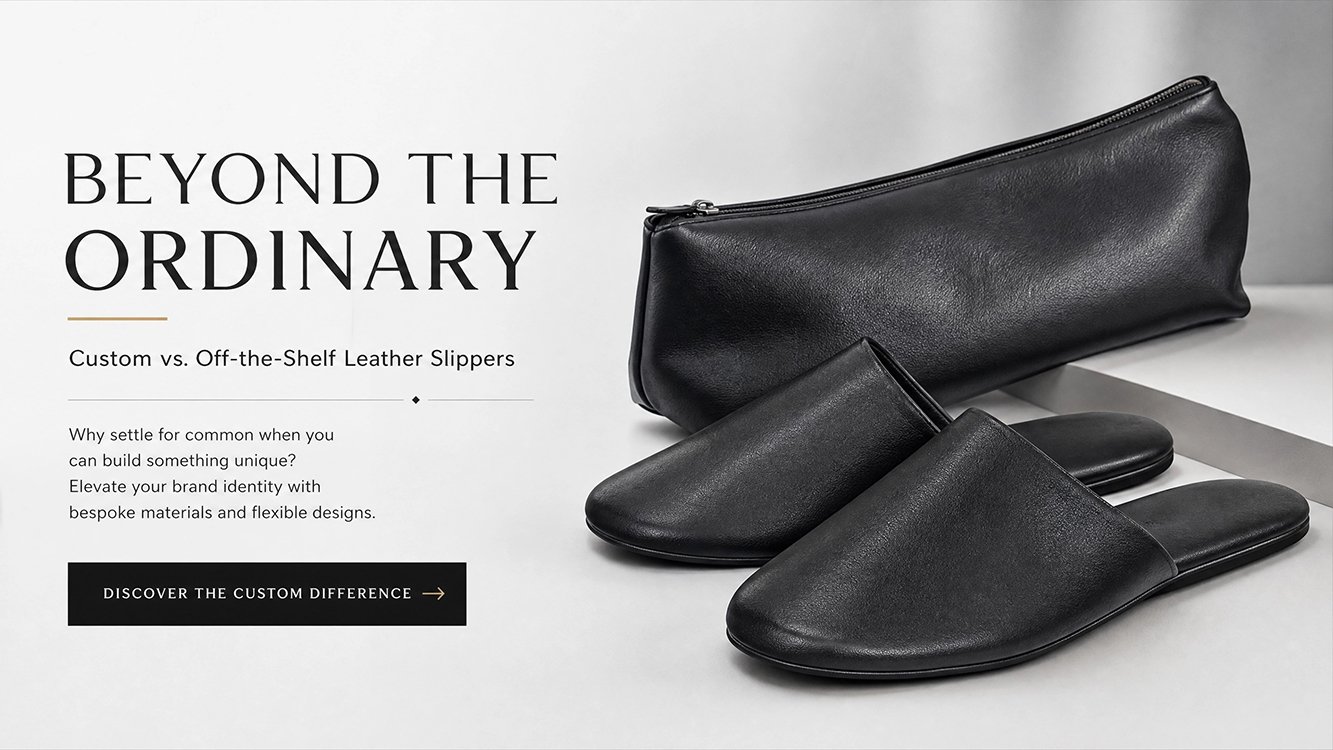
When I compare custom leather slippers with ready-made products, I first think about control. Off-the-shelf slippers often save time at the start. I can select from existing styles and place orders quickly. Yet many businesses later find problems. The same product may appear across many stores. This makes pricing harder and weakens brand identity2.
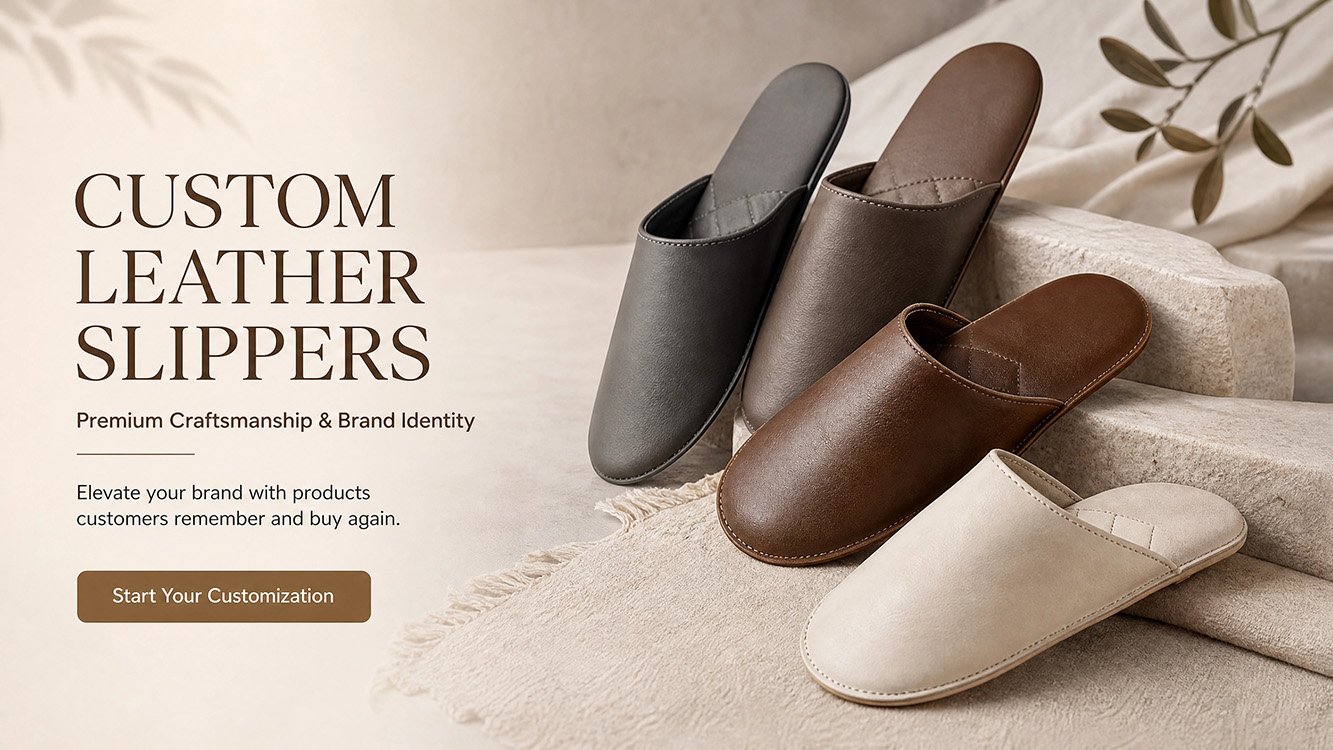
Custom leather slippers give me more room to build something unique. I can change leather texture, sole type, stitching details, logo placement, lining material, and packaging. I can also test new colors that better match fashion trends3 or local market taste.
I often work with brands that need flexibility. Some want eco-friendly materials4. Some want low minimum order quantities5 for trending styles. Some want premium details that match luxury fashion products.
| Factor | Off-the-Shelf Slippers | Custom Leather Slippers |
|---|---|---|
| Design | Fixed | Flexible |
| Brand Identity | Weak | Strong |
| Product Story | Limited | Easy to build |
| Customer Experience | Standard | Personalized |
| Long-Term Growth | Harder | Better |
From my experience, ready-made products help when speed matters. Yet custom products often help brands stand out and grow in a crowded market.
Why Does Bespoke leather slippers6 Design Help Build a Stronger Brand?
Many brands spend money on ads but forget product identity. I have seen products sell once and disappear because customers could not remember what made them special.
Bespoke leather slippers6 help build stronger brands because I can create a product that reflects brand values, style, comfort, and customer expectations in a clear way.
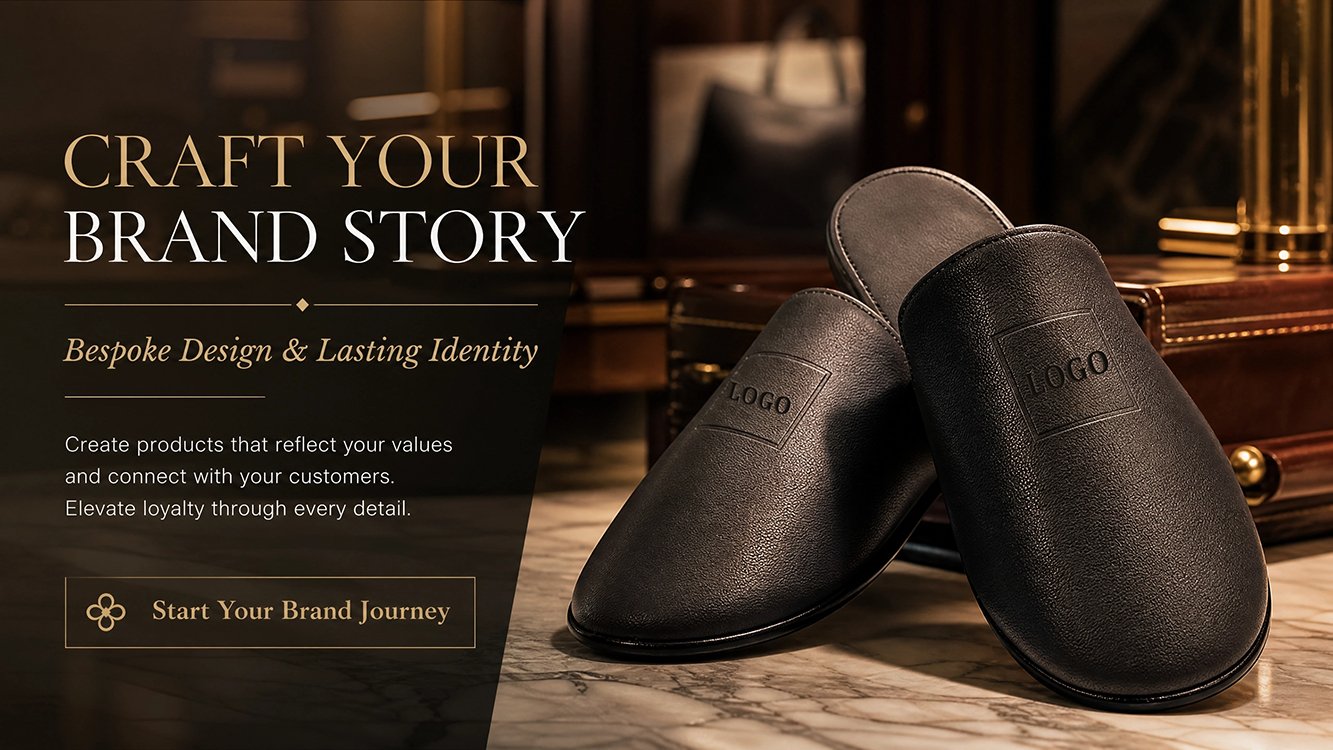
When I speak with brand buyers, many want more than footwear. They want a story customers remember. A custom leather slipper becomes part of that story.
For example, one buyer may want soft leather with quiet luxury colors and eco-friendly packaging. Another may want trendy shapes, bold colors, and a playful logo for younger shoppers. Off-the-shelf products rarely match these goals perfectly.
I often think about how customers shop today. Many people buy based on feeling, style, and trust. They want products that feel made for them. When slippers match a brand voice, buyers feel more confidence.
Here are a few ways bespoke products support branding:
| Brand Goal | How Bespoke Helps |
|---|---|
| Premium Image | Better materials and finishes |
| Brand Recognition | Custom logo and design |
| Higher Loyalty | Better customer experience |
| Market Position | More unique product look |
| Storytelling | Strong product identity |
I remember working with a fashion-focused buyer who cared about every small detail. We discussed textures, trims, colors, and packaging again and again. It took effort, yet the result felt aligned with the brand image. That process taught me that product details often shape how customers judge quality before they even wear the slippers.
Is Paying More for Bespoke Leather Slippers Really Worth It?
Higher upfront cost often scares buyers. I understand this concern because margins matter, especially for growing brands or wholesalers.
Bespoke leather slippers are worth the higher cost when I focus on long-term value, stronger customer loyalty7, better pricing power8, and reduced product competition.
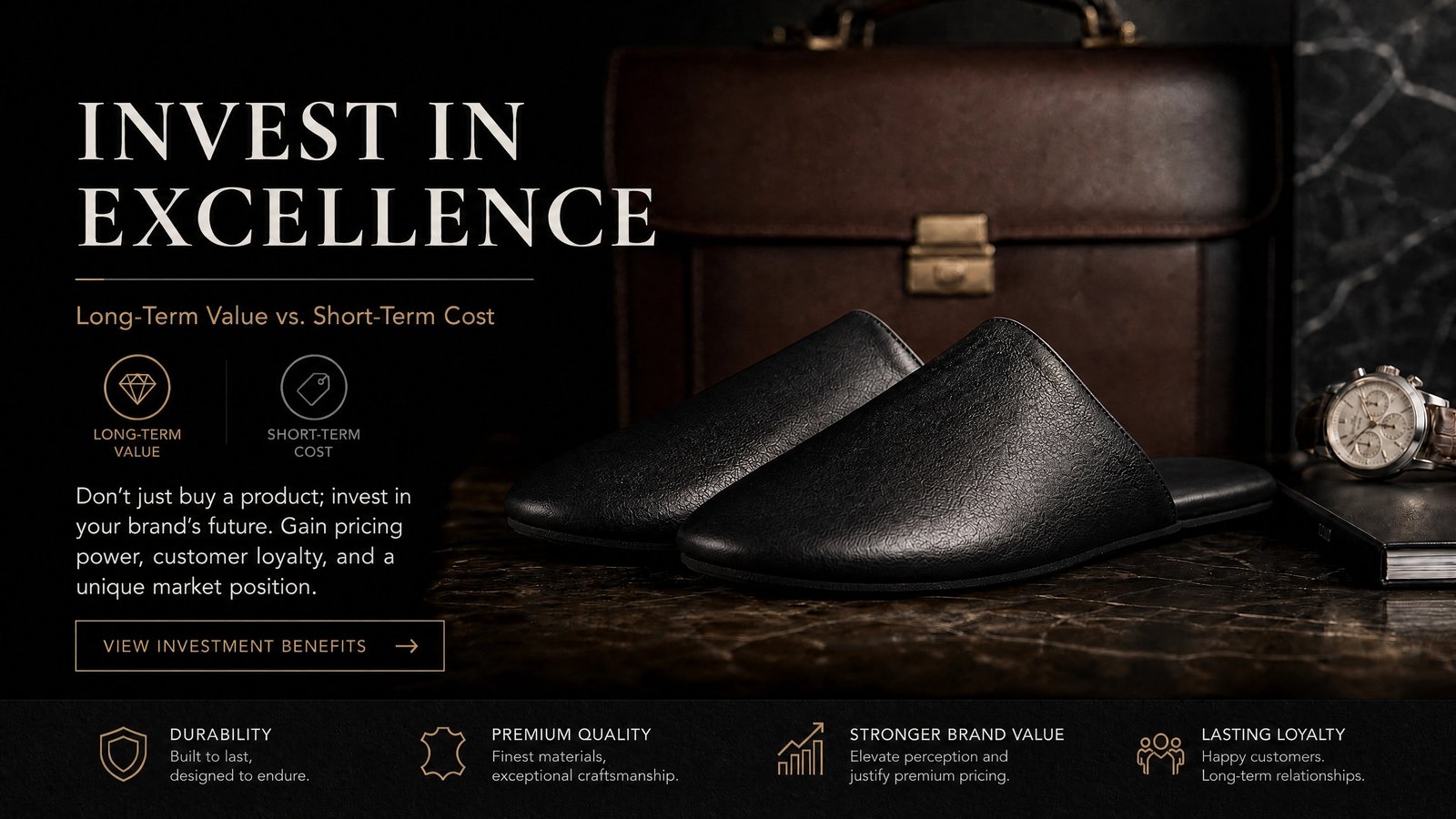
I usually ask buyers to think beyond factory cost. Cheap products may seem attractive at first. Still, when every competitor sells nearly the same slipper, price becomes the only weapon. This often creates pressure on margins.
Custom slippers give brands more control over value. I can charge more for better comfort, unique style, premium leather9, or a clear product story. Customers often accept higher pricing if the product feels thoughtful and different.
There is also less direct comparison. A buyer cannot easily search another website and find the same slipper at a lower price if the design is unique.
I often explain investment value using simple thinking:
| Short-Term View | Long-Term View |
|---|---|
| Lower upfront cost | Better brand value |
| Faster launch | Stronger repeat orders10 |
| Easy sourcing | More pricing power |
| High competition | Better market position |
I have also seen small and medium brands struggle because suppliers reject low quantities for customized styles. This creates stress during testing periods. Flexible custom production helps buyers try ideas without carrying huge inventory risk11. In my experience, this balance matters more now because trends change quickly and customer attention shifts fast.
Conclusion
I believe bespoke leather slippers cost more at first, yet they often create stronger branding, better customer trust, and better long-term business value.
Helps readers understand what custom leather slippers are, how they differ from standard footwear, and why brands choose customization. ↩
Explains how strong brand identity improves customer recognition, trust, and differentiation in competitive markets. ↩
Helps readers understand how trend-driven design influences buying decisions and product positioning. ↩
Helps readers learn about environmentally responsible footwear materials and why sustainability matters in fashion products. ↩
Explains what low MOQ means and why it is valuable for testing new products, reducing inventory risk, and supporting smaller brands. ↩
Clarifies the meaning of bespoke products and how customization supports premium positioning and stronger product identity. ↩
Explains how product experience and quality contribute to repeat purchases and long-term customer retention. ↩
Explains how differentiated products help brands avoid price competition and maintain healthier margins. ↩
Helps readers understand leather quality differences and why premium materials influence comfort, durability, and perceived value. ↩
Helps readers understand why memorable products and customer satisfaction contribute to recurring sales. ↩
Explains inventory risk and why flexible production and smaller production runs can reduce financial pressure. ↩