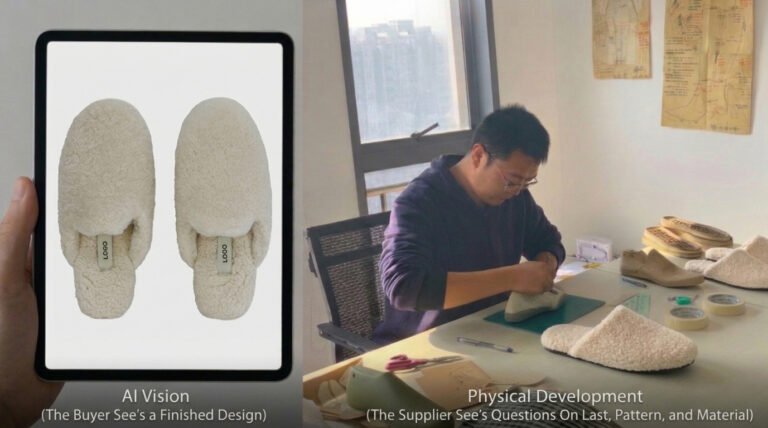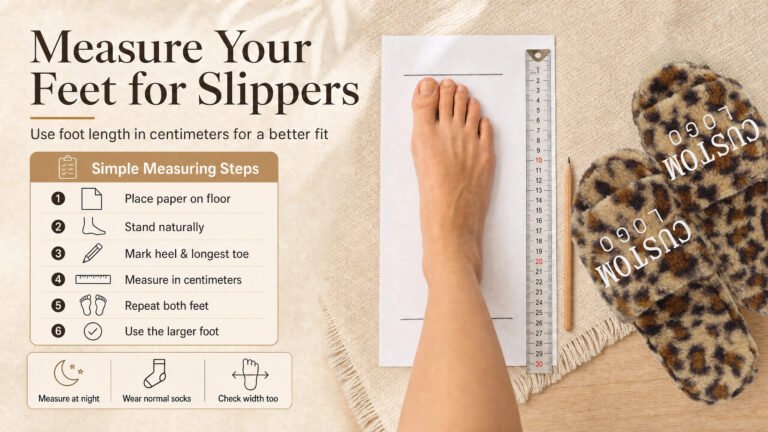
Yes. A brand can develop custom wool slippers around a chosen silhouette, then discuss suitable material colours and logo placement. The available options depend on the selected wool, order requirements and how those choices look on an approved sample.
At JNP, we work with brands on footwear sourcing and production coordination. In our conversations with some Nordic customers, genuine wool is part of the product brief. Buyers also want to know whether the material, colour and finished shape will suit their collection.
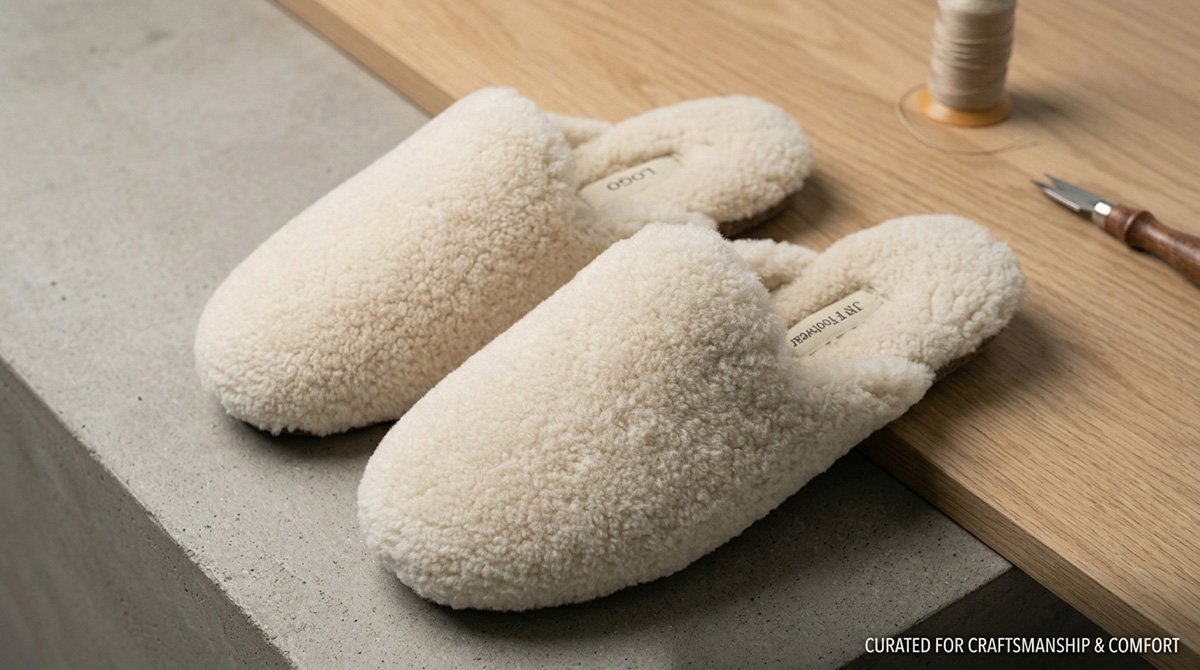
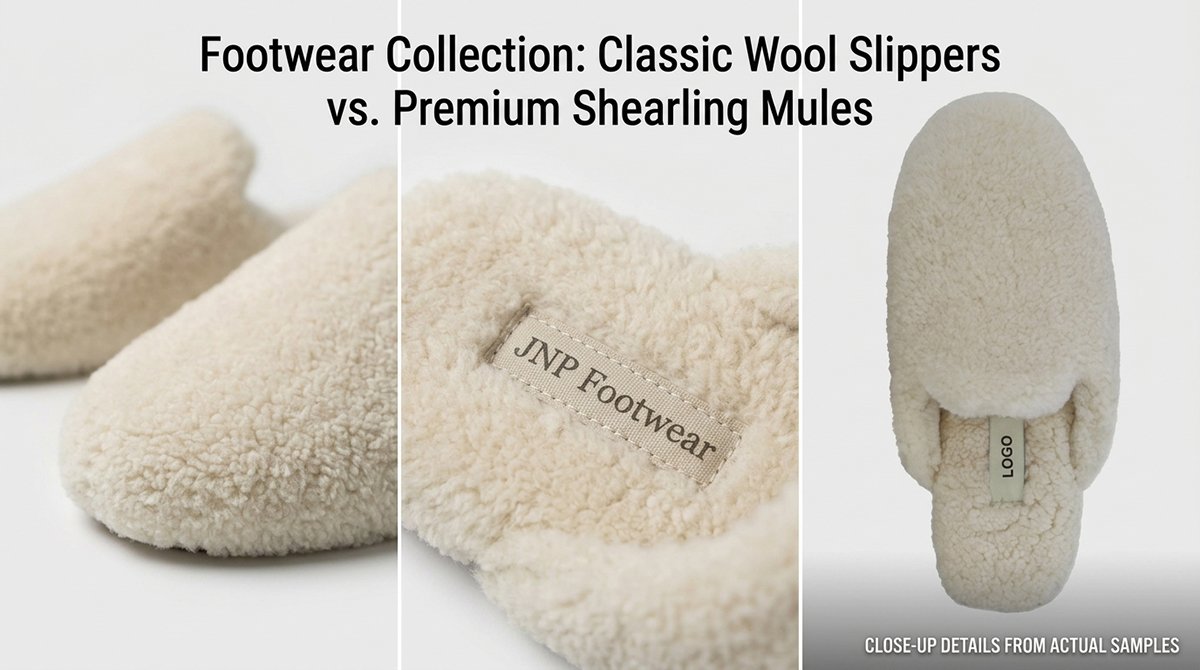
This closed-toe mule is a JNP-developed style. It has a rounded toe, an open back and a softly overlapping upper; production is coordinated through our partner-factory network. Those design details give us a real product to discuss—not just a visual concept.
How Should You Choose a Wool Colour?
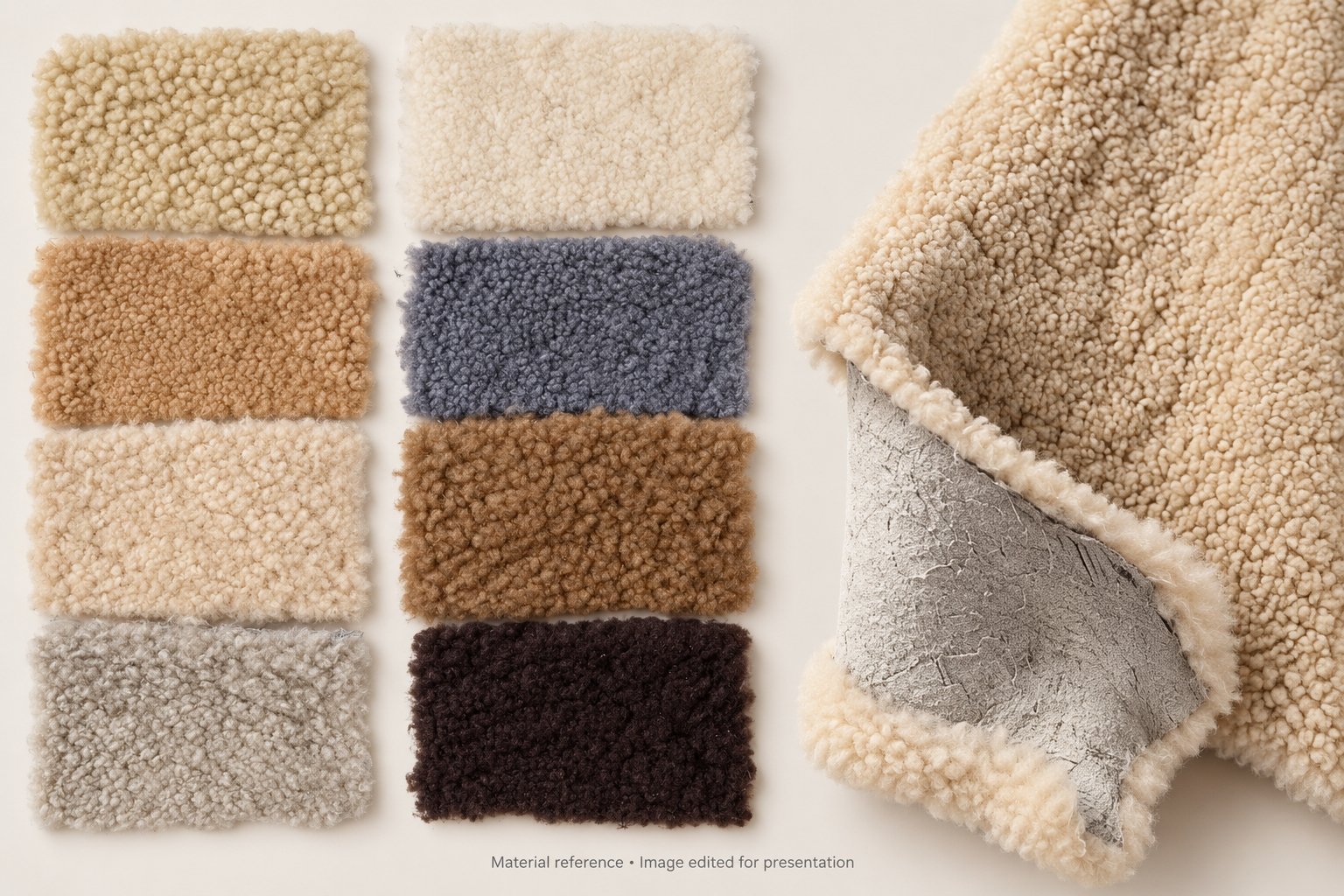
Start with real wool swatches, because a finished-product photograph cannot show colour and surface texture as clearly as the material itself.
In our conversations with Nordic customers, cream, oatmeal, grey and brown have been useful starting points for understated collections. The same shape can look quite different in a pale shade and a deeper one: colour changes the contrast around the opening, while the wool’s curl and surface affect how the upper reads.
A swatch helps you compare the material’s actual shade and texture. If you have a Pantone reference or an existing collection palette, share it as a starting point; the closest available material and its production conditions still need to be confirmed for your order.
How Can You Check Wool Quality Before Ordering?
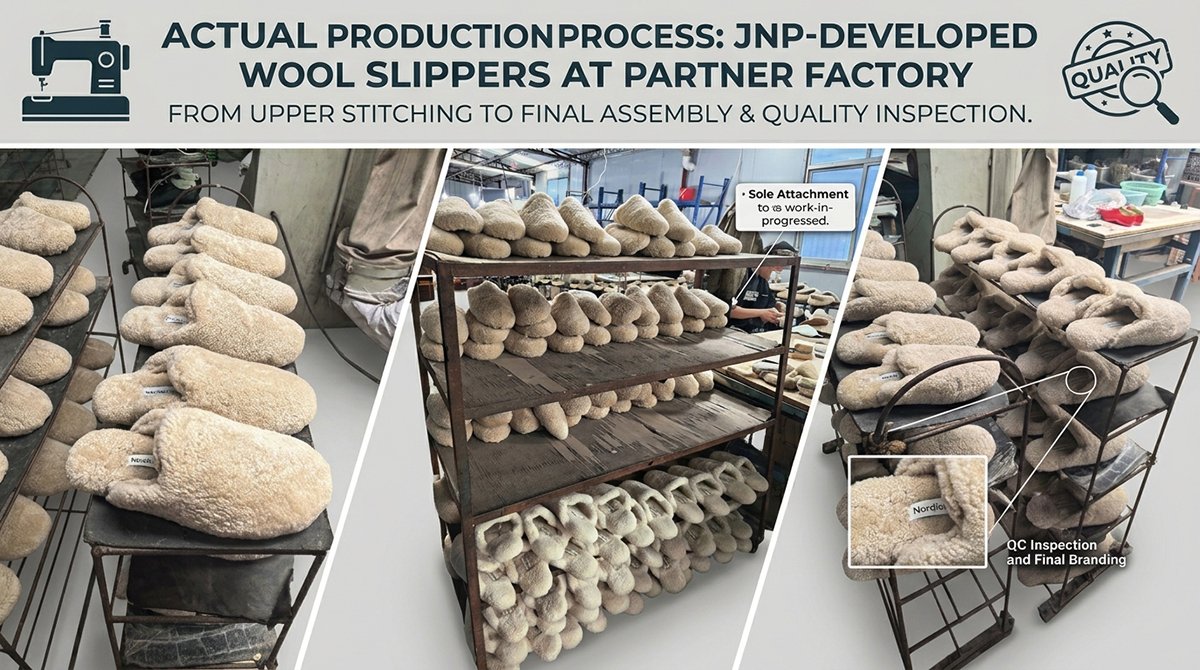
Review both a physical material swatch and a finished sample; neither a soft-looking photograph nor a swatch alone confirms every quality requirement.
A swatch shows the material surface and colour up close. A finished sample lets you see how that material works across the curved upper, overlap and opening of the slipper.
If genuine wool, a particular fibre composition or a test document is a purchase requirement, specify it and confirm the relevant documentation for the selected material. A photograph or sample can help assess appearance and construction, but should not be treated as proof of fibre composition or testing status.
Where Can You Place a Logo on a Wool Slipper?
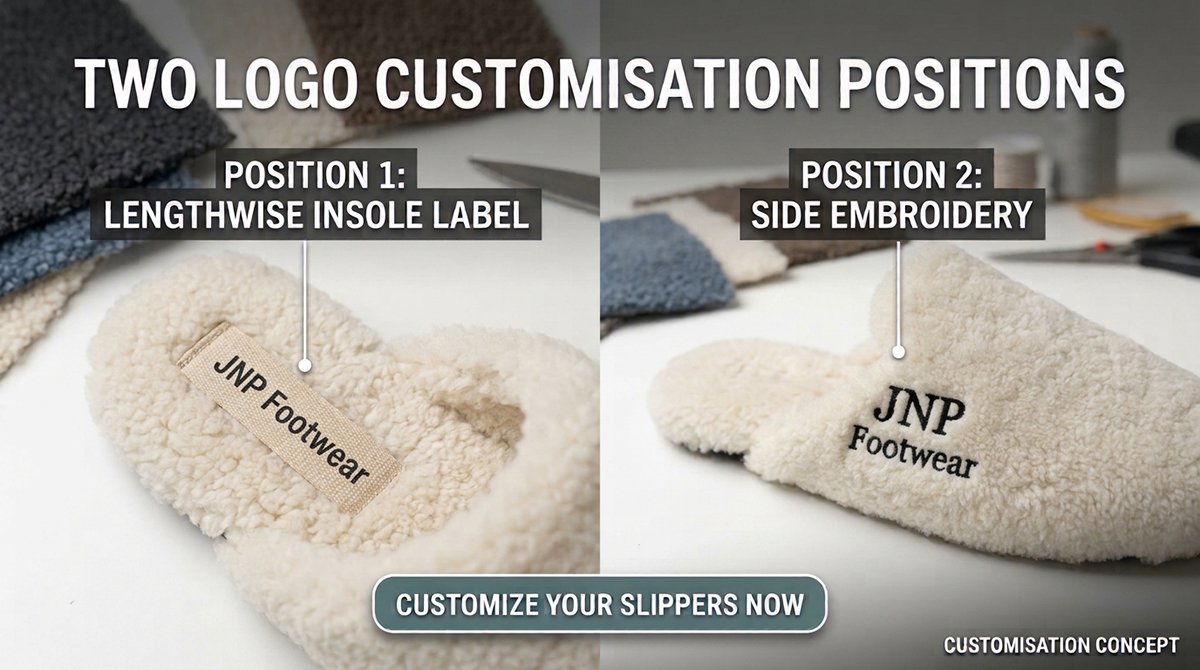
For this design, an insole label and side embroidery are two options to discuss; the right placement depends on the look you want and the wool surface.
A lengthwise label on the footbed keeps the upper visually clean. Side embroidery makes the branding more visible, but its size, thread colour and position need to work with the textured material and the available space.
Review the logo on the sample before approving production. A placement that looks balanced on flat artwork can appear different against wool. Share your logo artwork and preferred position so the branding can be discussed alongside the selected material.
How Can You Customise the Slipper Without Losing Its Design?
Treat the chosen silhouette as part of the brief, not as a detail to revisit only after colour and branding have been decided.
On this mule, the rounded toe, overlapping upper, opening and visible footbed work together to create its appearance. A different colour or added logo should be reviewed against those features; a roughly similar shape may not preserve the design the buyer selected.
For trend styles with a custom logo, JNP’s MOQ starts at 100 pairs. Fully independent development requires a higher MOQ, and the applicable route for a particular wool style should be confirmed before you plan an order.
Reviewing a finished sample before bulk manufacturing can help your team check the agreed design, materials, construction and branding. The approval criteria should be established before the sample is reviewed.
If you are also deciding which details to customise for a first order, see our guide to what to customise now and what to scale later.
If you are developing wool slippers for a footwear, loungewear or home-lifestyle collection, send JNP your reference design, preferred colour direction and logo artwork. Tell us which details must stay true to your vision so we can discuss the material options and sample route.