Ever wondered why fluffy slippers feel so simple yet cost so differently? I used to think they were easy to make—until I stepped inside a real factory.
Fluffy slippers go through a multi-step process: design, material sourcing, cutting, stitching, molding, assembly, quality control, and packaging. Each step blends manual craftsmanship with industrial precision to ensure comfort, durability, and scalability.
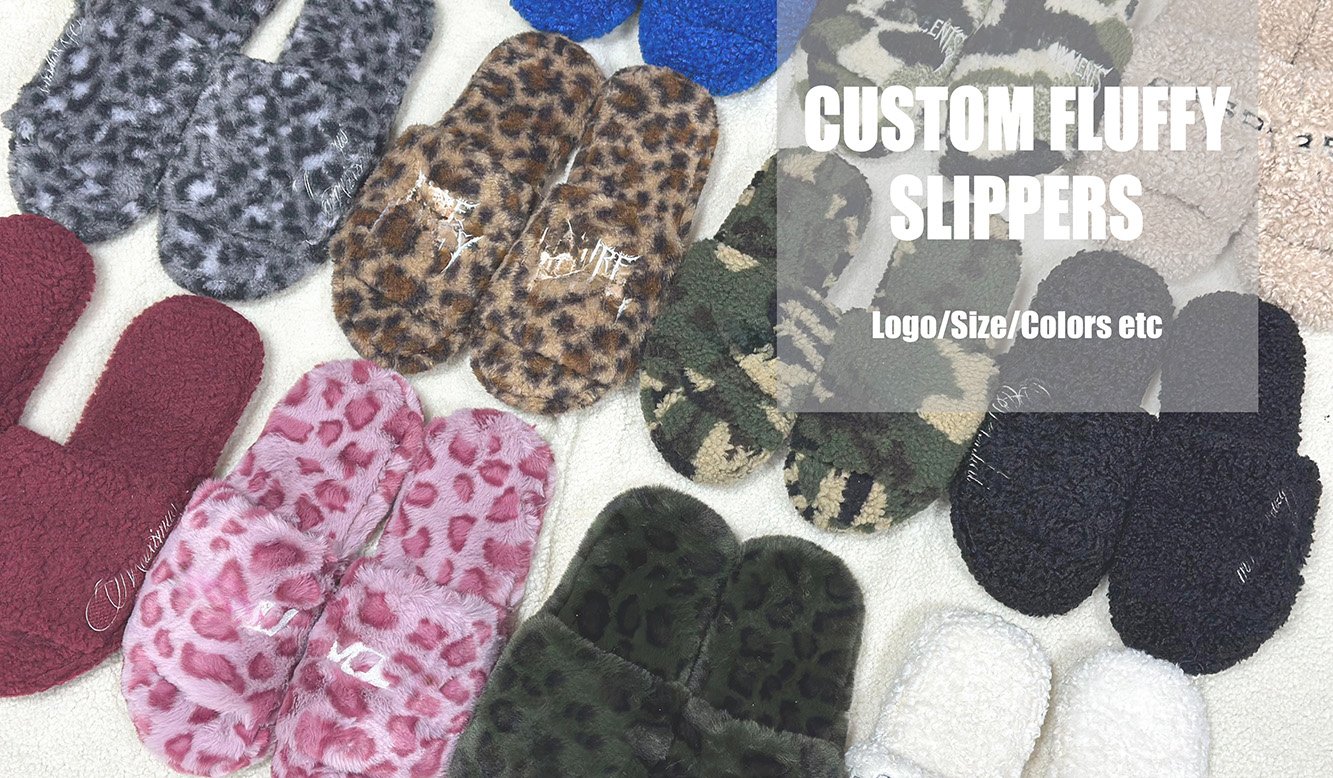
When I first followed an order from idea to shipment, I realized something surprising. A “simple” pair of slippers actually moves through a complex, coordinated system across multiple teams and factories.
How does a fluffy slipper start from just an idea?
I used to think slippers started in factories. I was wrong. The real starting point is much earlier—and much messier.
Every slipper begins with design planning, where trends, target markets, and materials are defined before any production begins. This stage determines cost, comfort, and manufacturability.
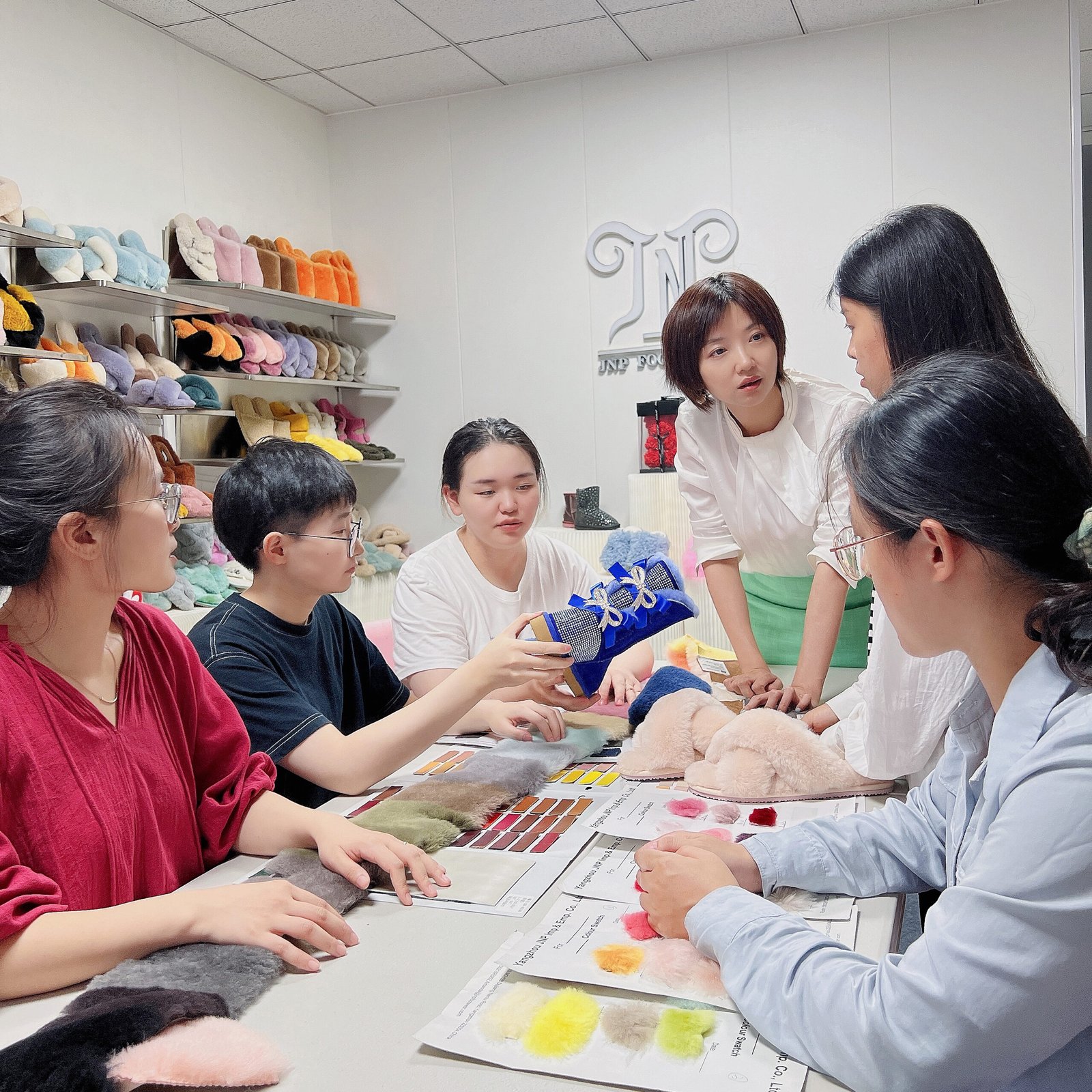
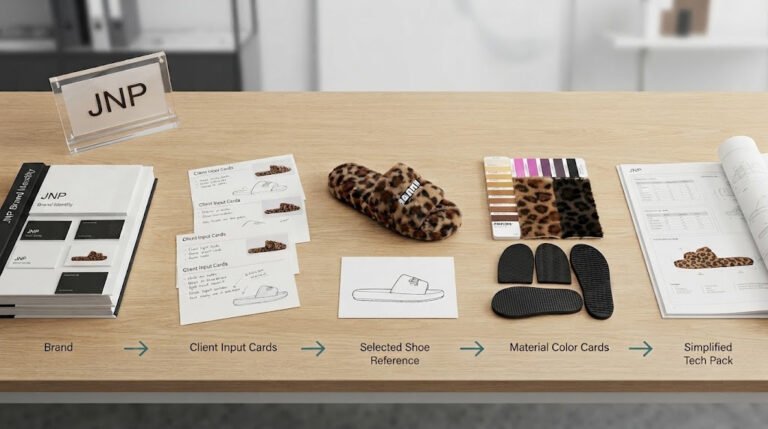
When I work with clients, this is where things either go smoothly or fall apart. A clear tech pack1 saves weeks. A vague idea creates endless revisions.
Breaking it down
1. Trend & Market Research
I always look at:
- Target market (USA vs Japan matters a lot)
- Season (winter plush vs summer open-toe)
- Price positioning (budget vs premium)
- Insights from footwear market trends2
2. Design Development
Designers define:
- Shape and structure
- Sole thickness
- Upper style (closed, cross-band, etc.)
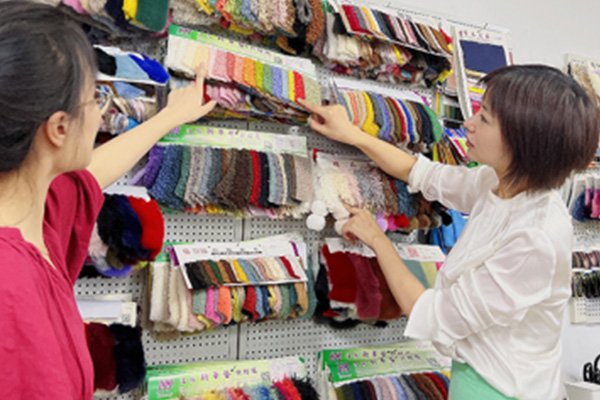
3. Material Planning
This is critical for fluffy slippers:
- Faux fur or plush fabric
- Memory foam or sponge
- EVA material3 or rubber soles
| Factor | Impact on Product |
|---|---|
| Material quality | Comfort & durability |
| Design complexity | Production cost |
| Target price | Factory selection |
What happens when materials enter the factory?
Many people imagine machines doing everything. That is not true. The process starts with very hands-on preparation.
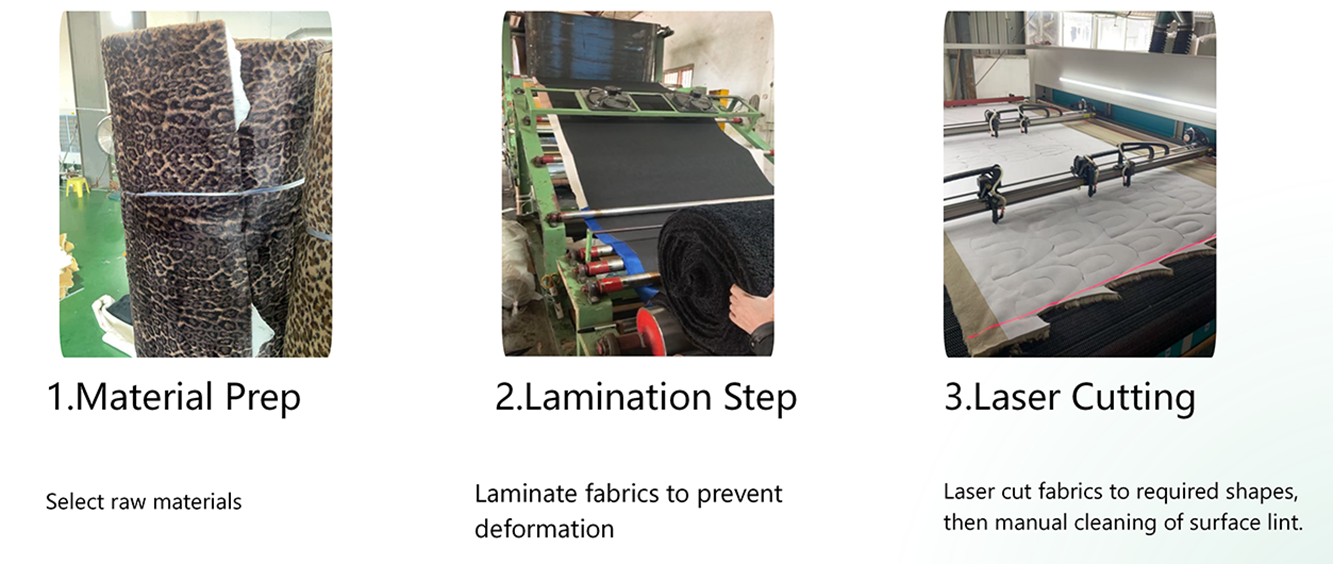
Factories first select and prepare materials like EVA, foam, fabric, and rubber, then process them through cutting, mixing, or molding depending on the slipper type.
Breaking it down
1. Material Inspection
Factories check:
- Fabric softness
- Foam density
- Color consistency
2. Cutting Process
Using patterns, materials are cut into:
- Upper pieces
- Insoles
- Linings
3. Sole Preparation
Depending on the product:
- Injection molding4 (EVA)
- Compression molding (rubber)
- Extrusion for basic shapes
| Process Type | Best For | Advantage |
|---|---|---|
| Injection molding | EVA slippers | High efficiency |
| Compression molding | Rubber soles | Strong durability |
| Cutting & layering | Indoor plush | Flexible design |
How are fluffy slippers actually assembled?
This is where things get interesting. It is not fully automated. Skilled workers still play a big role.
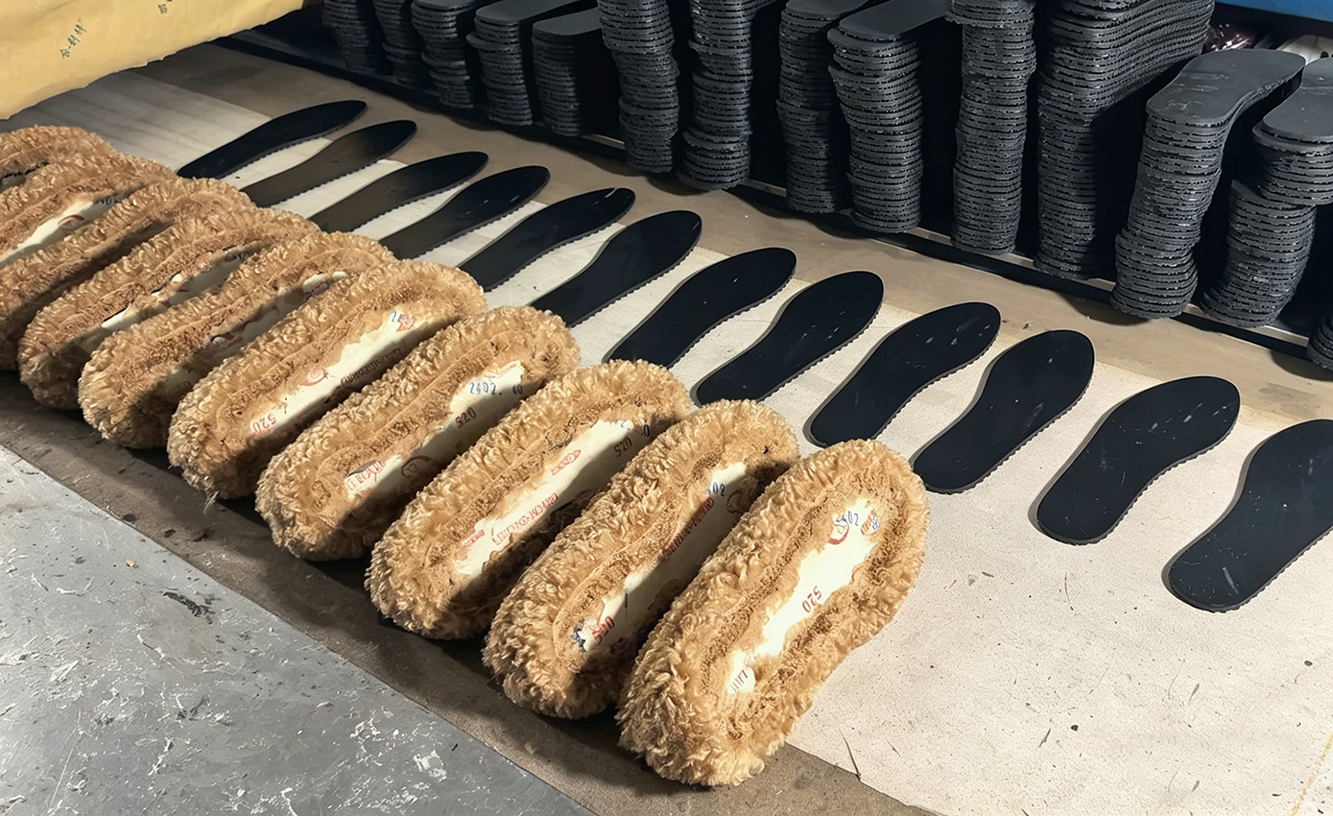
Assembly involves stitching uppers, attaching them to soles, aligning components, and reinforcing structure to ensure durability and comfort.
Breaking it down
1. Upper Construction
- Fabric + lining + reinforcement stitched together
2. Sole & Upper Bonding
- Precise alignment required
3. Reinforcement & Shaping
- Edges sealed or stitched
For a deeper understanding, see the full footwear assembly process5.
What ensures the slippers are high quality?
Many buyers assume quality is checked once. In reality, it happens multiple times.
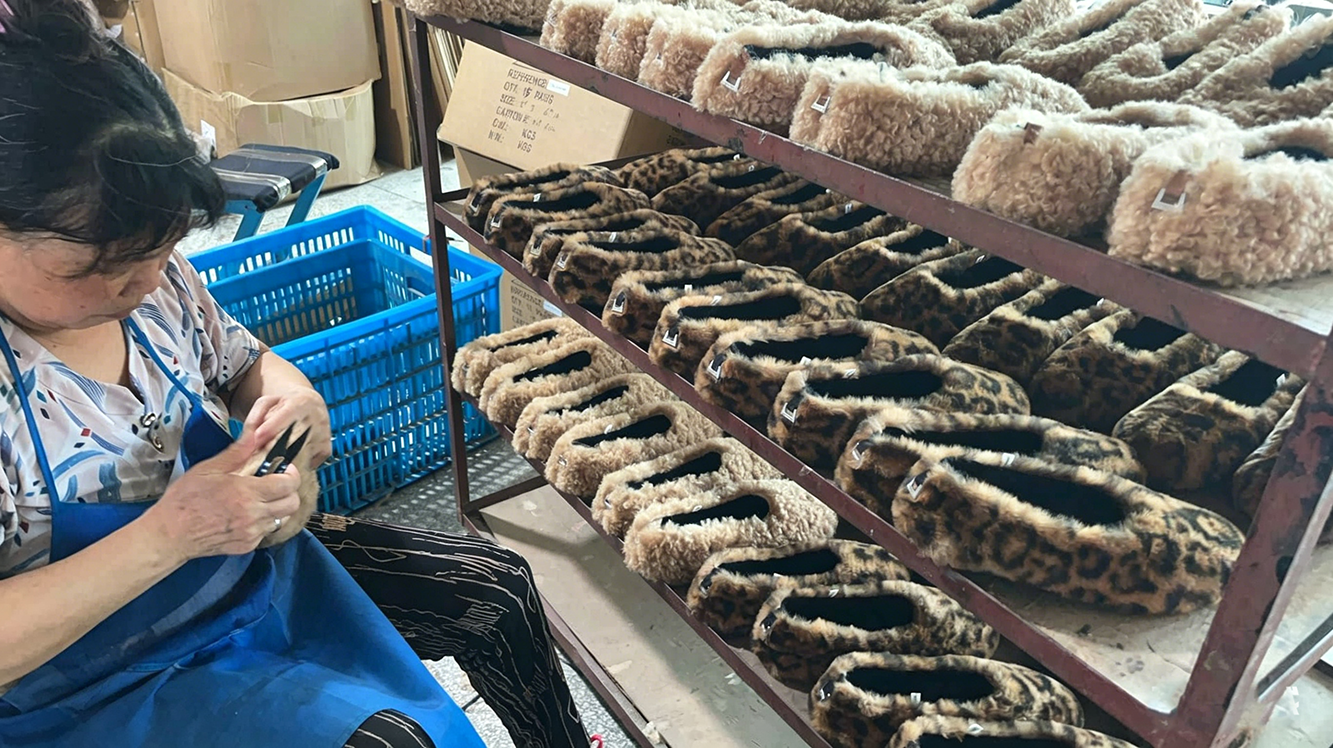
Quality control includes durability testing, visual inspection, size verification, and packaging checks to ensure consistency before shipment.
Breaking it down
1. Physical Testing
- Flexibility
- Anti-slip performance
2. Visual Inspection
- Stitching quality
- Glue marks
3. Final Packaging
A strong quality control system6 is what separates reliable suppliers from risky ones.
How do slippers go from factory to global markets?
The journey does not end at the factory. Logistics is another challenge.
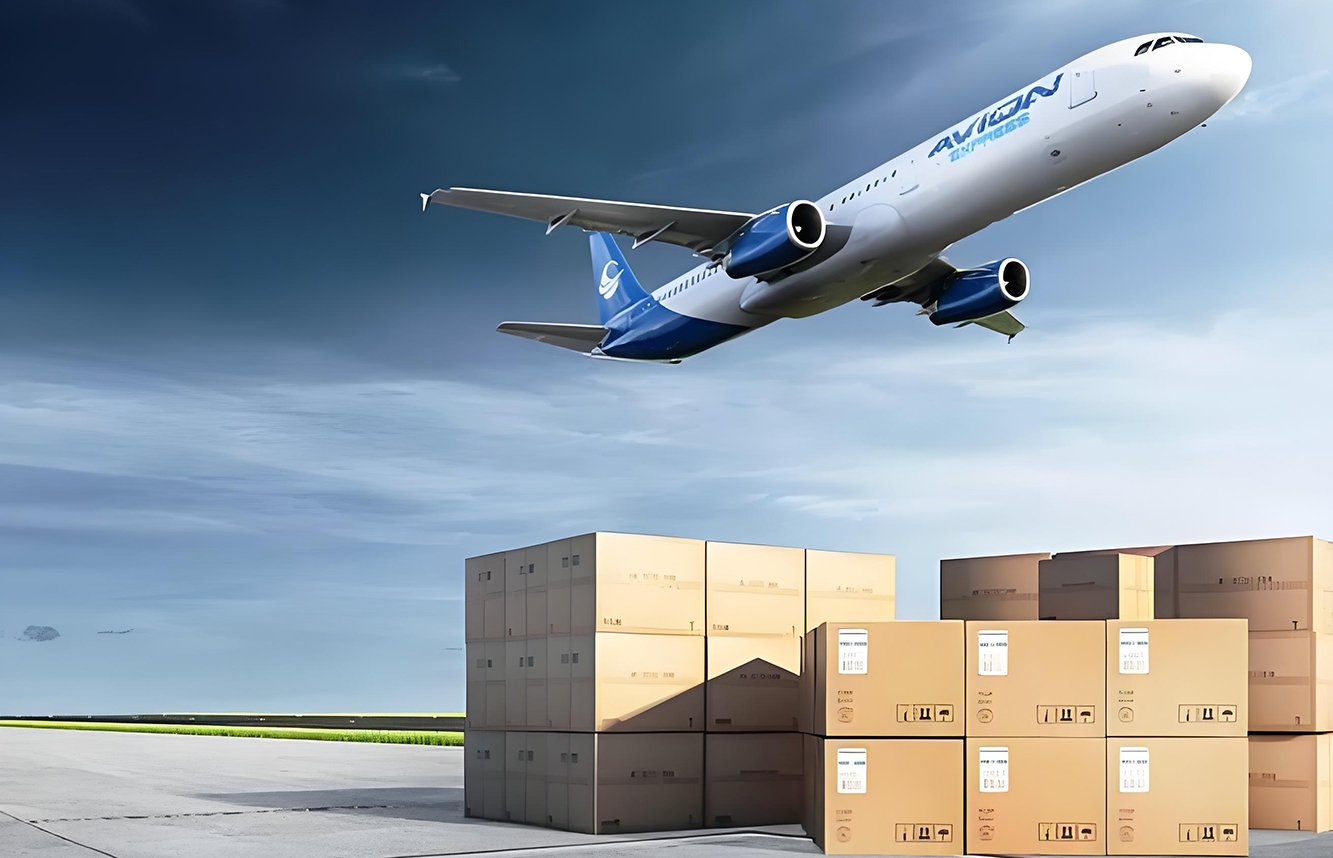
After production, slippers are packaged, stored, and shipped through international logistics networks to reach distributors, retailers, or e-commerce warehouses.
Breaking it down
1. Warehousing
- Organized by SKU
2. Logistics Coordination
- Sea freight
- Air freight
Understanding international shipping methods7 is key to balancing cost and delivery speed.
Conclusion
A pair of fluffy slippers may look simple, but its journey involves design, engineering, craftsmanship, and logistics working together from concept to customer.
A tech pack is a detailed document that outlines product specifications, materials, measurements, and construction instructions, helping factories execute designs accurately. ↩
Footwear market trends analysis helps brands identify consumer preferences, seasonal demand, and regional differences to guide product development. ↩
EVA (ethylene-vinyl acetate) is a lightweight, flexible, and durable material commonly used in footwear soles for comfort and shock absorption. ↩
Injection molding and compression molding are key manufacturing processes that determine the structure, cost, and durability of slipper soles. ↩
The footwear assembly process explains how different components like uppers and soles are stitched, aligned, and bonded into a finished product. ↩
Quality control systems in manufacturing ensure products meet standards through inspections, testing, and defect prevention at multiple stages. ↩
International shipping methods like sea freight and air freight impact delivery time, cost, and supply chain efficiency for global trade. ↩