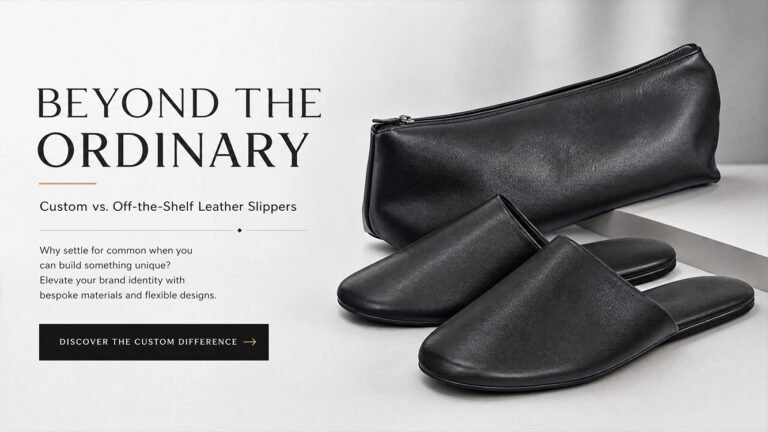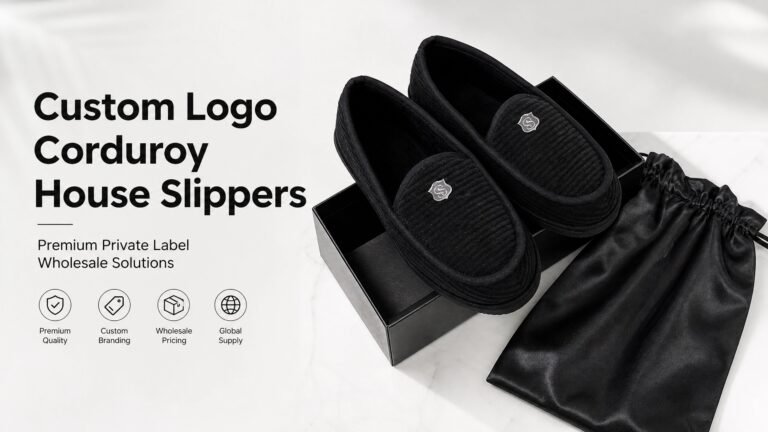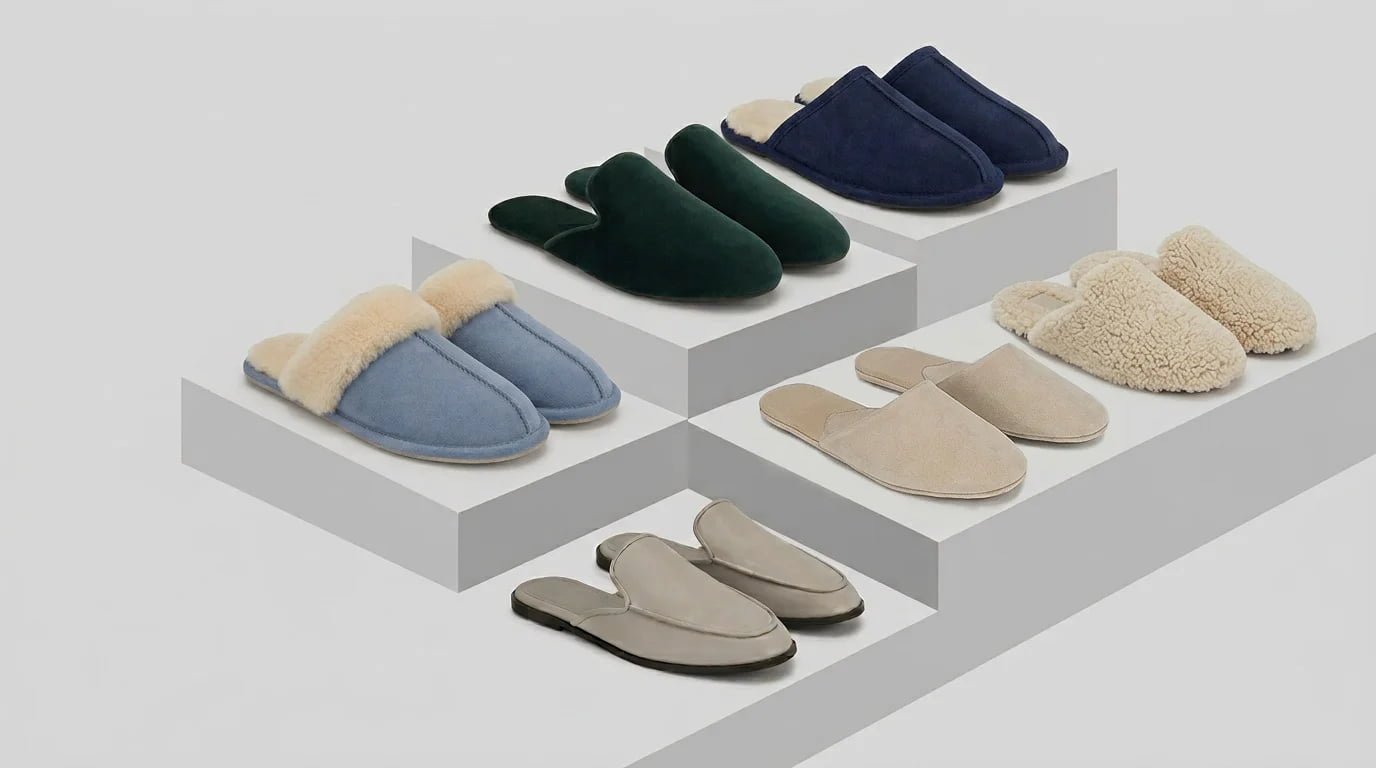
For most lifestyle brands developing their first slipper, the strongest starting point is one closed-toe, open-back mule built around one clear use case. It combines the visual completeness of a shoe with easy entry, and different materials and soles can take it from winter gifting to year-round homewear.
At JNP, this is also the structure we see selected more often in real customer developments. However, the silhouette is the result of the decision—not the beginning. A lifestyle brand should first define the product's role, customer, season and sales channel.
This article focuses on branded retail, gifting and boutique products. It does not cover low-priced hotel amenity slippers.
Start With the Product's Role, Not the Slipper Shape
A lifestyle brand should define what the slipper must do before choosing how it should look. A product for a luxury guest room is not automatically ready for a boutique shelf. Retail customers expect a clearer size choice, a more durable sole, stronger presentation and packaging that feels consistent with the rest of the collection.
The commercial role usually falls into four groups:
| Product role | Main priority | Typical product implication |
|---|---|---|
| Luxury guest room | Easy use and broad fit | Light construction, simple sizing and slip resistance |
| Gift | Immediate perceived value | Tactile material, neat branding and better packaging |
| Home retail | Repeat wear | More cushioning, clearer sizing and a more durable sole |
| Boutique or hotel shop | Brand expression | Refined upper, retail finishing and display-ready packaging |
A 2025 interview with Frette CEO Filippo Arnaboldi1 reported that hotel B2B generates about 50% of the company's revenue through collaborations with more than 1,500 hotels and luxury brands. This does not prove the sales of one slipper, but it shows that hospitality can be a substantial commercial channel rather than only a brand story.
JNP therefore starts with the customer profile and channel, not a large catalogue of options. This prevents a first-time footwear buyer from making decisions about materials, soles and packaging before the product's job is clear.
Why Is a Closed-Toe, Open-Back Mule a Strong First Option?
The closed-toe, open-back mule gives a first collection the best balance of warmth, coverage, easy entry and familiar retail presentation. The covered front feels more substantial than a spa slide, while the open back makes the product easier to put on and more forgiving than a fully closed slipper.
Public assortments support this direction without proving sell-through. Derek Rose separates closed-back styles from open-back mules2 and presents them as part of a coordinated sleepwear and loungewear offer. Repetition within an established lifestyle category is stronger evidence than one viral product.
Our project experience points in the same direction. European clients have chosen closed-toe, open-back mules more often, and some hotel and estate programmes have kept relatively stable styles over multiple years. Their repeat use does not provide public sales data, but it does show that a comfortable, recognisable structure can outlast a short trend cycle.
The limits matter. A narrow closed front can create fit problems for wider feet, and a heavily lined upper can feel too warm for southern European summers. The supplier should therefore check the first sample for a comfortable front fit and suitable lining thickness—not only the appearance of the upper.
Which Product Direction Fits the Season and Brand Position?
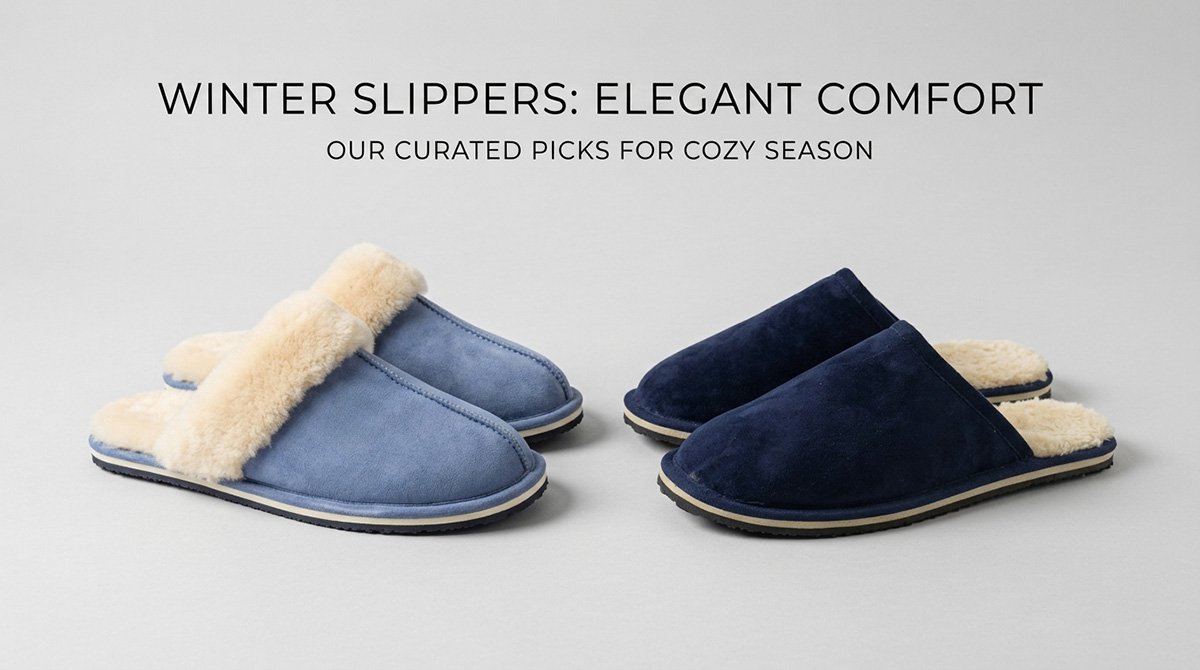
The same basic slipper idea should be translated into different constructions for winter, year-round use and warmer seasons. A brand does not need to launch all three at once; it needs to know which direction is the most natural first test.
| Direction | Best fit | Key choices |
|---|---|---|
| Winter closed-toe mule | Autumn-winter gifting and cold-climate homewear | Warm lining, tactile upper, cushioned footbed |
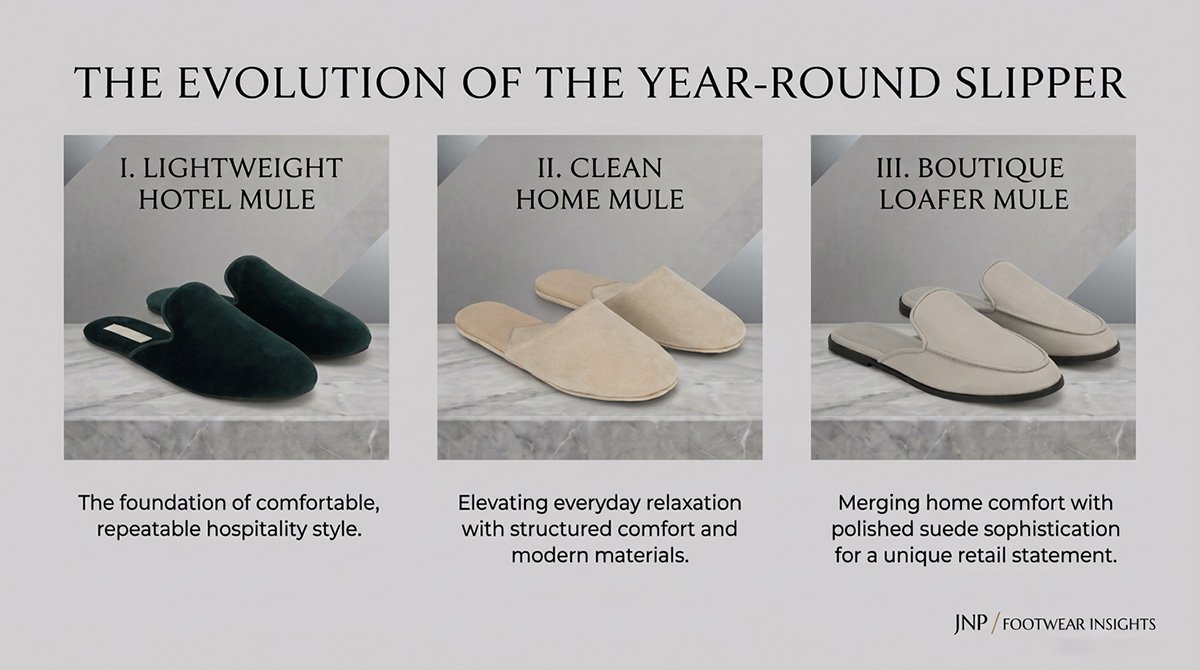
| Year-round hotel-inspired mule | Bedding, robe and refined home collections | Lighter textile or velvet upper, flexible sole, quiet branding |
| Loafer-like mule | Boutique and premium retail | More structured upper, refined trim, formal sizing |
| Open-toe slide | Spring-summer, bath and relaxed homewear | Breathable upper, soft hand feel, light sole |
The market signal becomes stronger when it appears across different types of brands. Frette's Voyage Slipper3 uses a backless, full-toe velvet upper with a flexible rubber sole, while its Softbell Slipper4 takes the category in a more formal tassel direction.
Outside hospitality, Zara Home's current women's house-slipper assortment5 includes faux-shearling, embroidered, sateen, jacquard and leather mules alongside slides and ballerinas. This breadth does not reveal which SKU sells best, but it shows that mules can work as a repeatable home-retail product structure—not only as hotel merchandise.
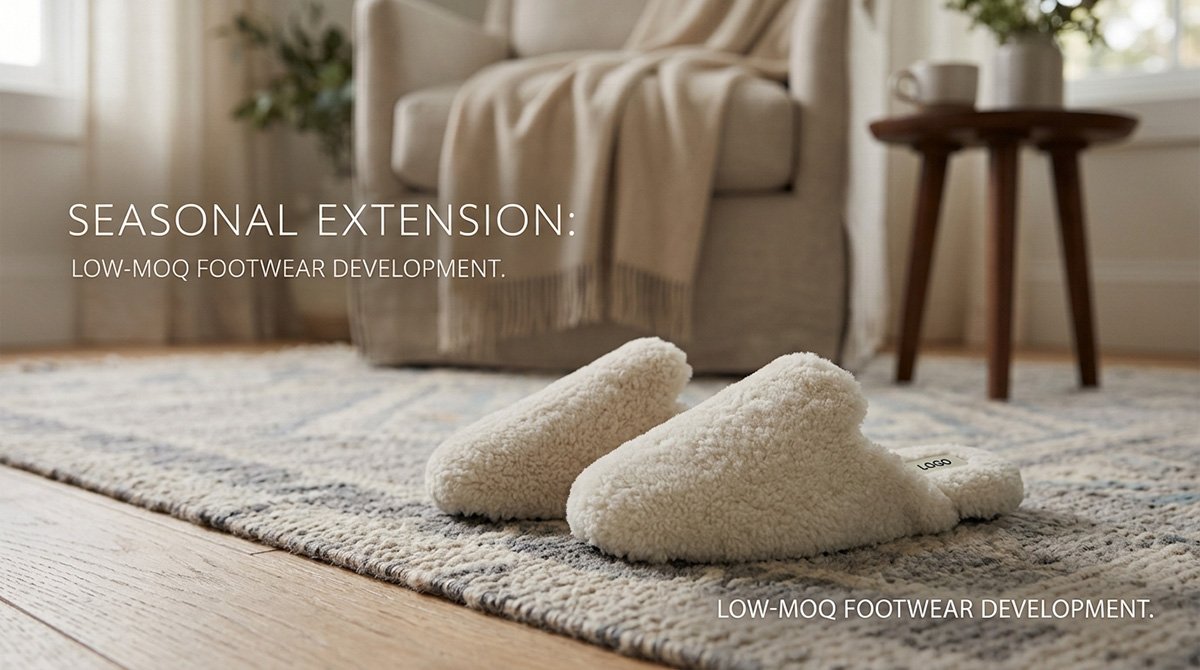
JNP would normally treat the winter and year-round closed-toe mules as core directions. We can also develop a tassel mule when a brand needs a more formal boutique expression, while an open-toe or fluffy slide works better as a seasonal or lifestyle extension.
What Market Validation Should a Buyer Actually Look For?
Useful market validation is a pattern of evidence, not a single bestseller claim. Public product pages rarely reveal unit sales, and an out-of-stock label can reflect limited production as easily as strong demand.
Before approving a first sample, a buyer can check four signals:
- Assortment repetition: Does the same silhouette appear across several relevant hotel, sleepwear or home-lifestyle brands?
2) Use-case language: Do product descriptions repeatedly mention warmth, quick entry, gifting, indoor-outdoor use or travel?
3) Commercial execution: Are brands adding formal sizing, a durable outsole and gift-ready packaging rather than selling the product as a disposable amenity?
4) Customer friction: Do reviews and public comments mention narrow toe boxes, heat, slipping or soles that absorb water?
JNP uses this public evidence to decide what deserves testing, then checks it against production and customer experience. We do not use a famous brand page as proof of volume, and we do not recommend copying its design. The objective is to understand which product logic is repeating and why.
How Do You Turn the Direction Into a First Product Brief?
A good first brief reduces the idea to a few commercial decisions that can be tested in one sample. It should define the wearer, season, channel and target presentation before specifying decorative details.
For a first closed-toe, open-back mule, we would confirm:
-
the expected customer and size range;
-
indoor-only use or occasional short outdoor wear;
-
winter lining or lighter year-round construction;
-
flexible soft sole or more durable retail outsole;
-
one main colour direction and restrained branding;
-
packaging for gifting, storage or normal retail display.
This is also where low-MOQ development needs discipline. JNP normally begins with an existing last, pattern and sole structure, then changes the elements that matter most to the brand. Our low-MOQ custom footwear approach6 explains why a focused trial product is more useful than trying to customise every component at once.
For many lifestyle brands, the closed-toe, open-back mule is the most practical first direction—once its season, fit, sole and retail role are defined. JNP combines public signals with hotel, estate and lifestyle project experience to create a product a brand can sample, test and refine.
Footnotes
This resource provides concrete context on Frette's hospitality business, including its reported hotel B2B revenue share and collaborations with more than 1,500 hotels and luxury brands. It helps readers understand why hospitality can be a significant commercial channel for a lifestyle-oriented textile and home brand. ↩
This resource lets readers examine how an established lifestyle brand presents open-back mule slippers within a broader sleepwear and loungewear assortment, providing market context for the slipper structure discussed in the article. ↩
This product page provides a concrete example of a backless, full-toe velvet slipper with a flexible rubber sole, helping readers understand the construction described in the article. ↩
This resource provides an example of a more formal, tassel-oriented slipper construction and illustrates how the same slipper category can be given a more refined boutique expression. ↩
This assortment provides a current retail reference for the range of materials and silhouettes used in women's house slippers, including mules, slides and other constructions. It helps readers see that mules are used beyond hospitality merchandise. ↩
This JNP resource explains the company's approach to low-MOQ footwear development and helps buyers understand why a focused first product can be more practical than customizing every component simultaneously. ↩