Cold floors can ruin a relaxing night at home. I used to settle for cheap slippers that flattened fast and made my feet ache after only a few weeks.
Ultra-plush house slippers change daily comfort because they combine soft cushioning, warmth, and lightweight support. The right pair can reduce foot fatigue1, improve indoor comfort, and make long hours at home feel easier on your body.
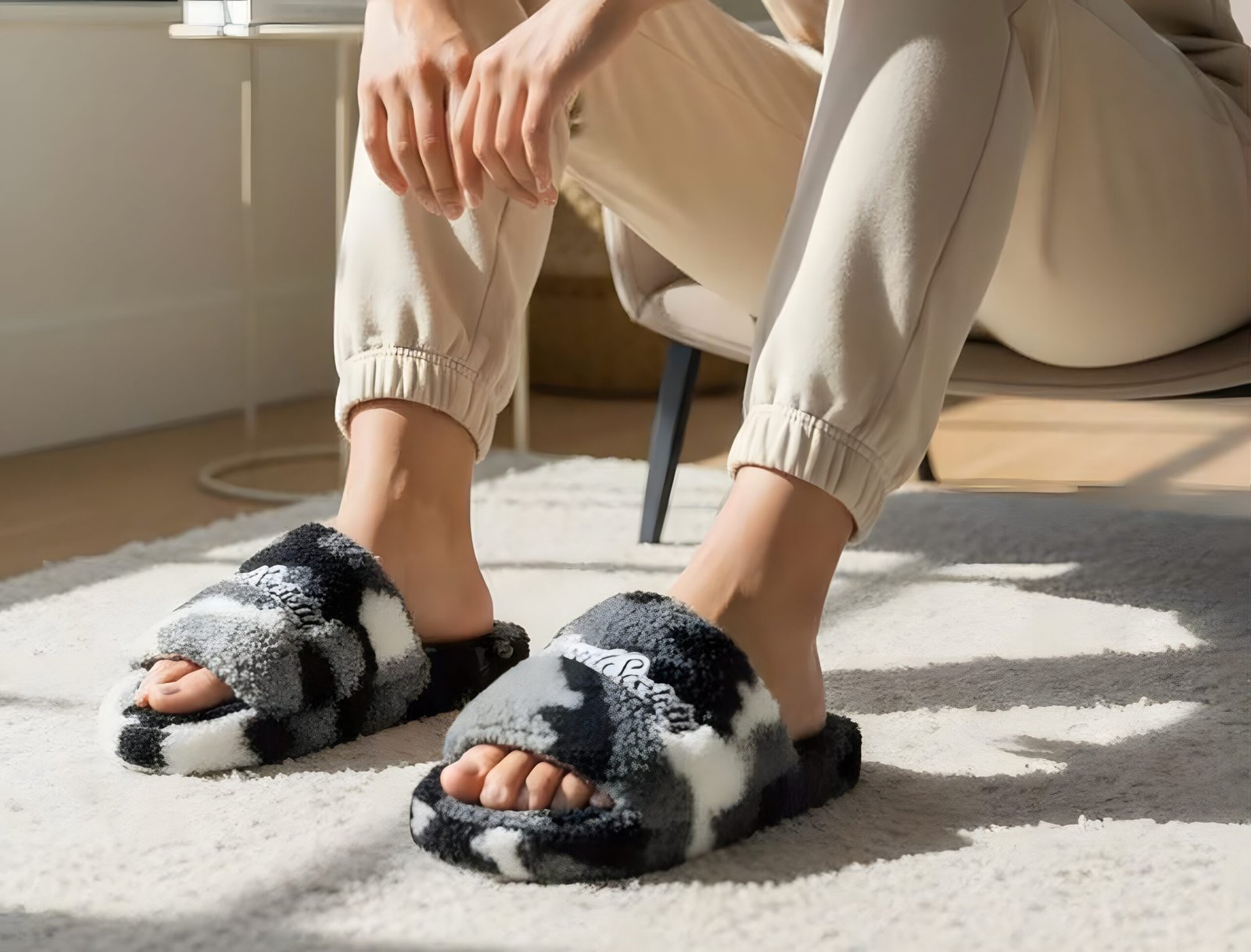
I started paying more attention to indoor footwear after spending more time working from home. I noticed that people invest in mattresses and sofas, but many still ignore what they wear on their feet every day. That small choice can change how the body feels from morning to night.
What Makes Ultra-Plush House Slippers Feel So Different?
Most slippers look soft online. The problem starts after a few days when the padding becomes flat and the sole loses support. I learned this after testing many low-cost pairs myself.
Ultra-plush slippers feel different because they use thicker cushioning, softer linings, and better sole structures. Good slippers support the foot while keeping a cloud-like feeling that lasts longer than basic foam slippers.
When I first switched to premium plush slippers, the biggest difference was not only softness. The support felt more balanced. Many people think softness alone creates comfort. That is not fully true. A slipper can feel soft for ten minutes and still hurt the feet after hours of wear.
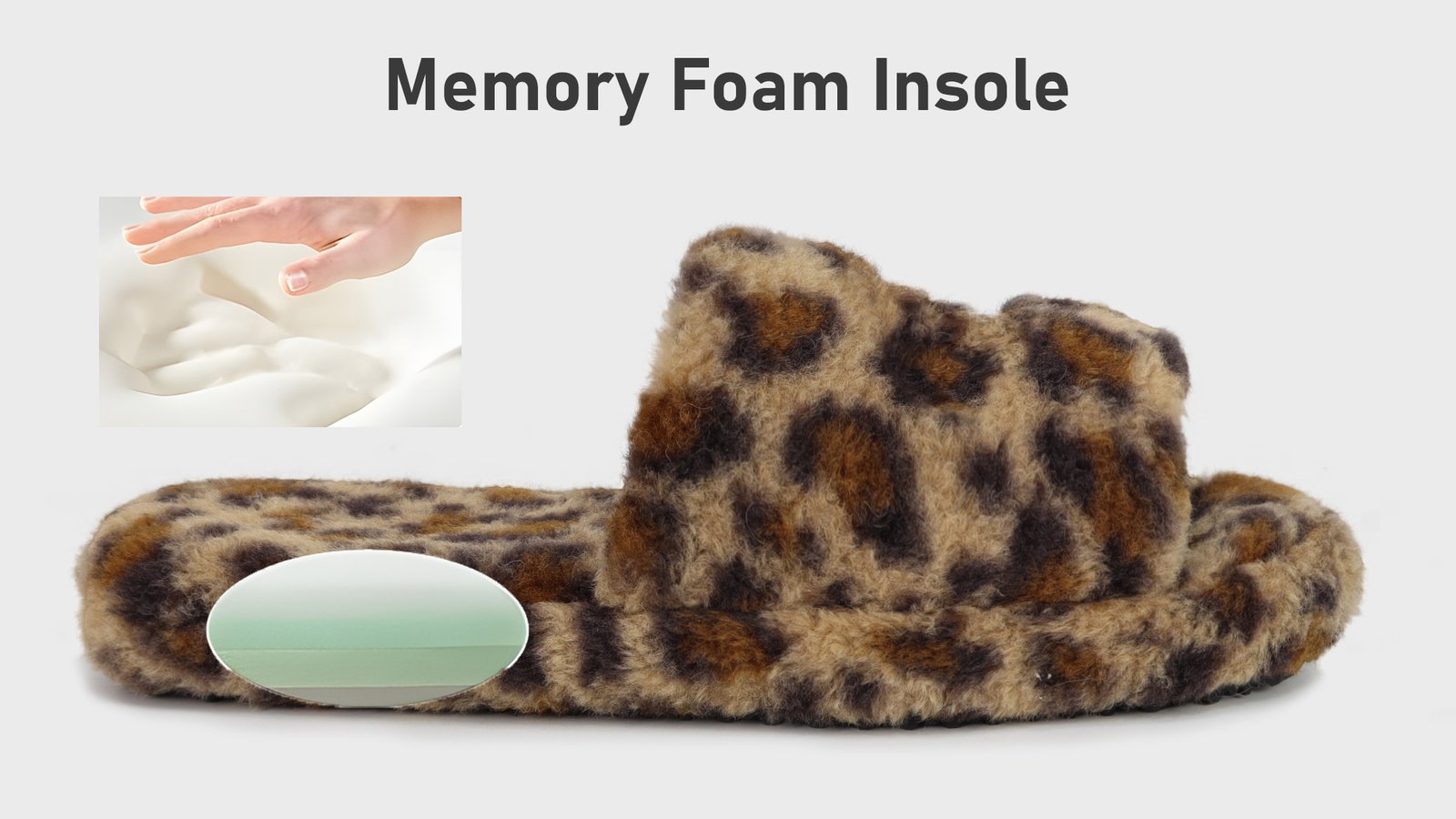
The construction matters a lot. Good plush slippers often include layered foam, memory cushioning2, faux fur, wool blends, or EVA soles3. These materials work together instead of collapsing under pressure.
Here is a simple breakdown of what changes the wearing experience:
| Feature | Basic Slippers | Ultra-Plush Slippers |
|---|---|---|
| Cushioning | Thin foam | Multi-layer support |
| Warmth | Low insulation | Thick lining or wool |
| Durability | Flattens quickly | Maintains shape longer |
| Sole Grip | Weak traction | Better indoor grip |
| Comfort Time | Short wear | Long-term wear |
I also noticed that better slippers help people move naturally at home. Cheap soles often force the feet into awkward positions. Over time, that can create discomfort in the heel and ankle area.
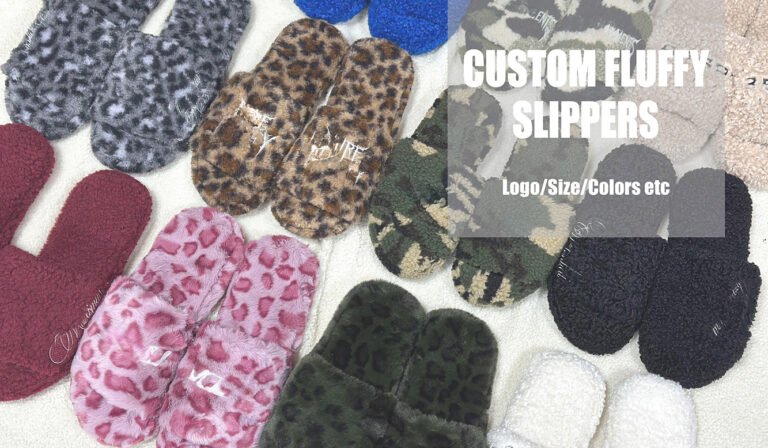
Many trendy brands now focus on indoor footwear because consumers want comfort and style together. I have worked with buyers who care about custom logos, eco-friendly materials4, and fashionable shapes. People no longer see slippers as boring products hidden inside the house. They are now part of lifestyle branding and home fashion.
Why Are More People Investing in Premium Indoor Slippers?
People spend more time at home now. Many also work remotely. That change has made comfort products much more important than before.
More people buy premium indoor slippers because they want better comfort, stress relief, and stylish home products. Consumers now expect indoor footwear to feel supportive while still looking fashionable.
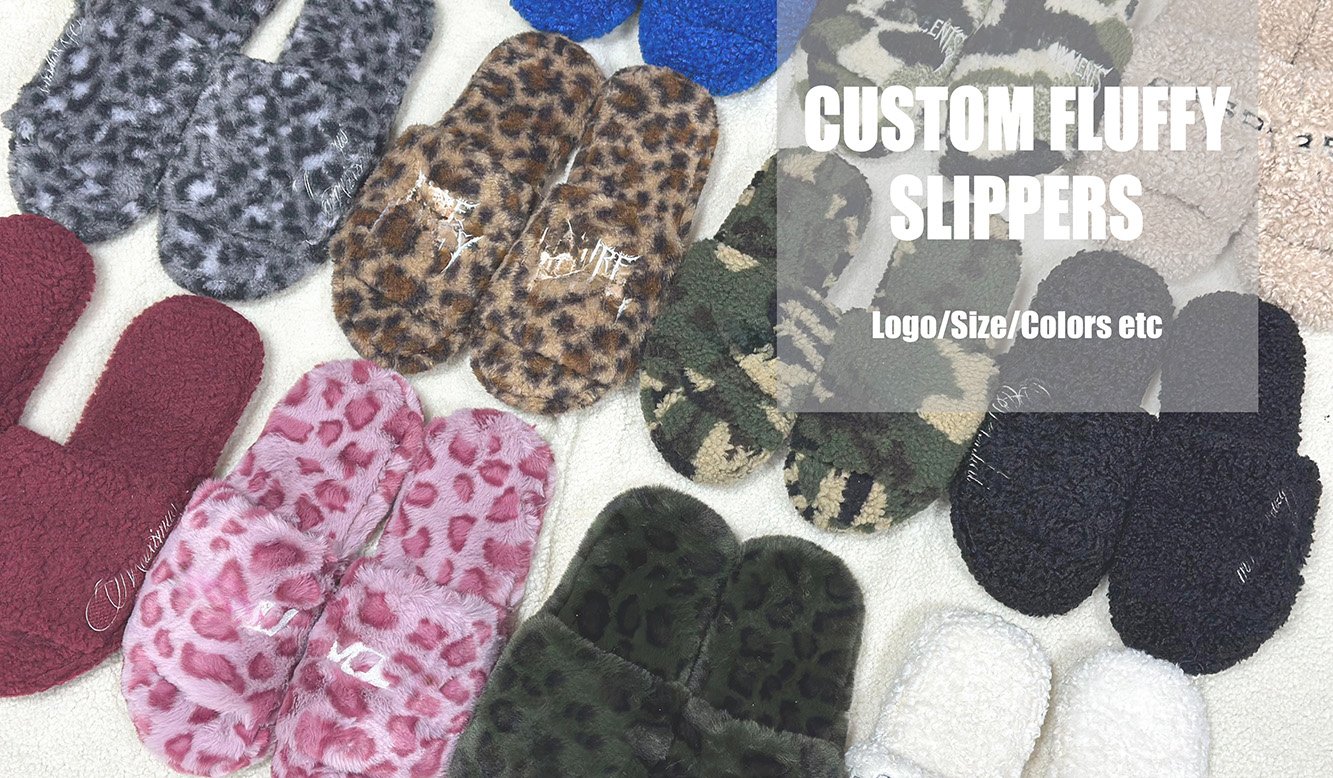
I remember speaking with one online brand owner who focused heavily on trendy products for younger buyers. They noticed that customers were willing to spend more on home comfort products after the pandemic years. Buyers wanted products that felt cozy but still looked premium enough for social media photos and lifestyle content.
This trend pushed many brands to redesign traditional slippers. Older styles were simple and practical. Newer styles combine fashion details with comfort engineering.
Several factors are driving this shift:
1. Home Became More Important
People now treat home spaces differently. Comfort products became part of self-care routines. Slippers moved from being seasonal products to everyday essentials.
2. Consumers Want Emotional Comfort
Soft materials create emotional value. Many buyers describe plush slippers as calming or relaxing. This emotional connection helps products stand out in crowded markets.
3. Social Media Changed Expectations
Modern buyers care about appearance. Slippers are now photographed in bedroom setups, travel content, and cozy lifestyle videos. Design matters more than before.
4. Sustainability Is Becoming Important
Some buyers now prefer renewable materials, recycled fabrics, or eco-friendly wool alternatives. Many brands ask suppliers for testing compliance and material certifications before production begins.
Here is how buyer priorities changed in recent years:
| Past Buyer Focus | Current Buyer Focus |
|---|---|
| Low price | Comfort + style |
| Basic function | Lifestyle experience |
| Seasonal buying | Year-round use |
| Simple packaging | Brand identity |
| Generic products | Custom designs |
I also noticed growing demand for low MOQ customization5. Smaller online brands want to test trendy designs quickly without large inventory risks. Flexible production has become a major advantage for suppliers who understand fast-changing fashion trends.
Are Ultra-Plush Slippers Only About Comfort?
Many people think plush slippers are only soft fashion items. I used to think the same thing. Then I started learning more about indoor footwear construction and customer feedback.
Ultra-plush slippers are not only about comfort. Good designs also improve warmth, indoor safety, foot support, and long-term durability while helping brands create stronger emotional branding6 connections with customers.
One thing I learned from working with footwear buyers is that comfort products create repeat customers. People remember products that improve daily routines. Indoor slippers fall into this category because they are used constantly.
A strong slipper design balances several factors together:
| Function | Why It Matters |
|---|---|
| Warmth retention | Keeps feet comfortable in colder seasons |
| Lightweight feel | Reduces fatigue during long wear |
| Non-slip sole7 | Improves indoor safety |
| Breathability | Prevents overheating |
| Durable stitching | Extends product life |
I have also seen how regional markets influence product choices. Buyers in Australia and New Zealand often prefer wool-lined styles8 because natural insulation performs well during colder seasons. Meanwhile, younger online brands in the USA often focus more on trendy furry designs and custom branding opportunities.
Another important point is emotional branding. Plush slippers create a strong sensory experience. That makes them easier to market compared to ordinary footwear. Customers can immediately understand softness, warmth, and comfort through visuals alone.
Brands now combine these features with personalization:
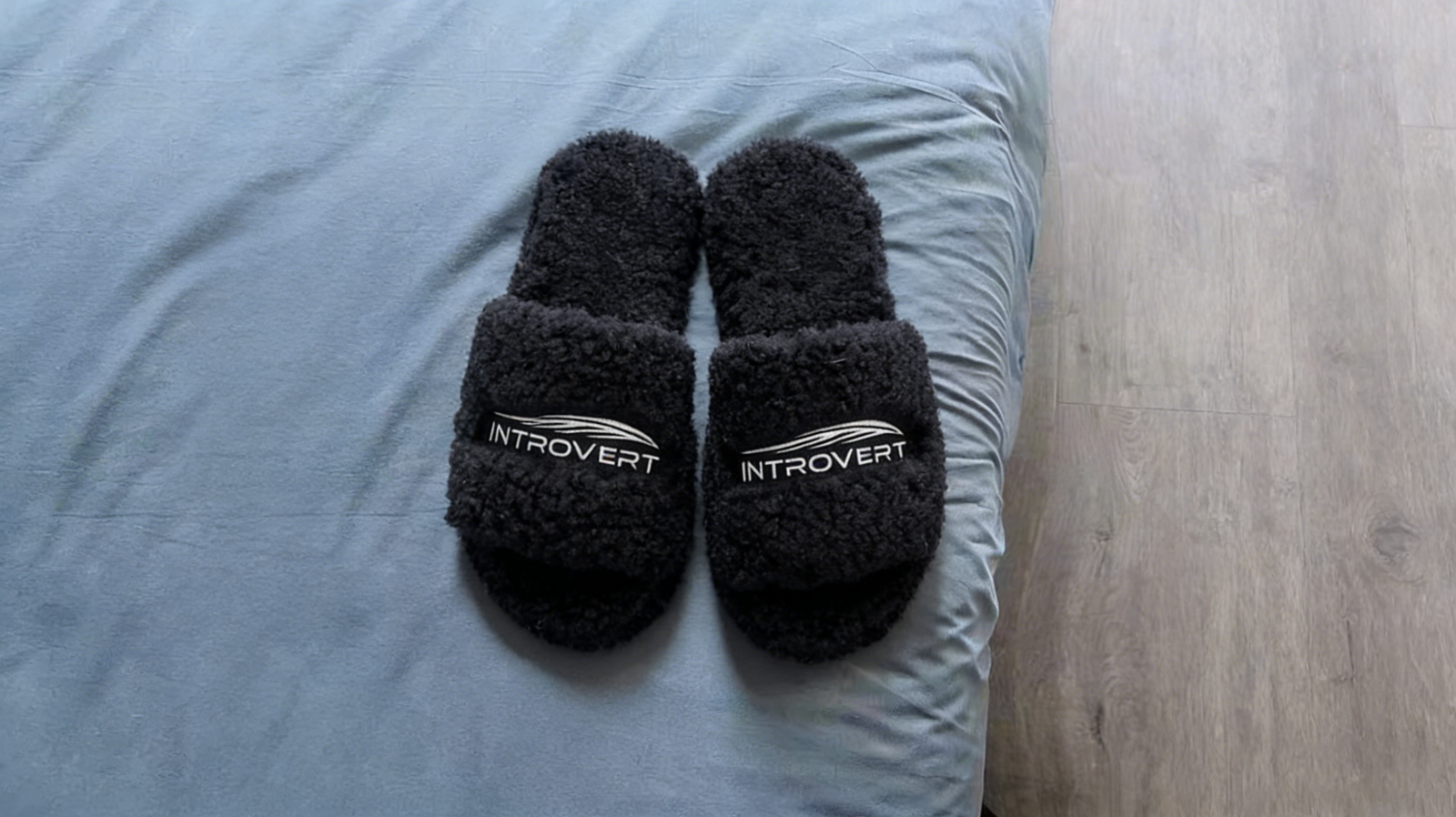
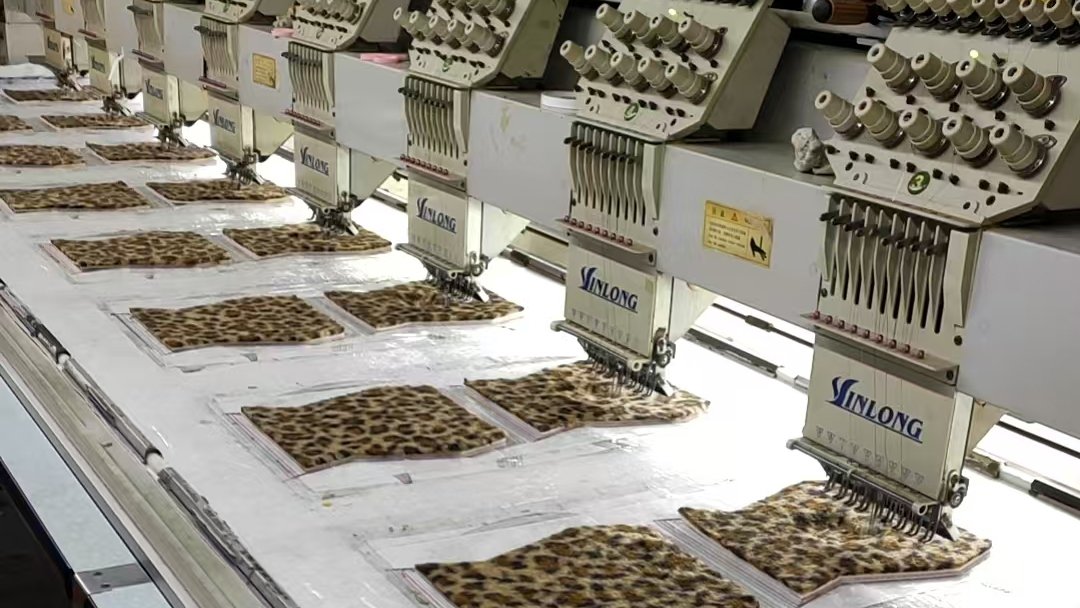
- Custom embroidery9
- Brand logos
- Seasonal colors
- Eco-friendly packaging
- Matching loungewear collections
This creates stronger product identity and higher customer loyalty.
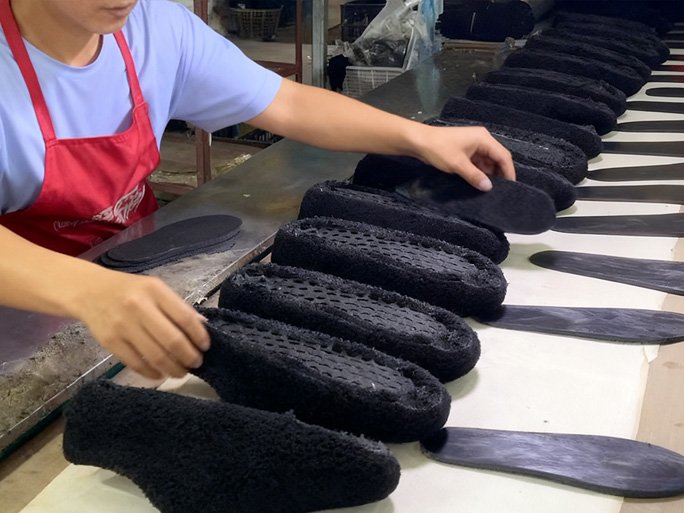
From a manufacturing side, flexibility matters a lot. Different production lines specialize in different materials and constructions. Some factories handle wool products better. Others focus on trendy synthetic plush materials. Long-term factory partnerships help maintain stable quality across changing fashion trends.
I believe this is why ultra-plush slippers continue growing in popularity. They solve practical needs while also fitting modern lifestyle expectations.
Conclusion
Ultra-plush house slippers are no longer simple indoor shoes. They combine comfort, support, style, and emotional value into one product people use every single day.
Readers can explore how prolonged standing on hard indoor floors affects foot comfort and overall body fatigue. ↩
Readers can better understand how memory cushioning supports the feet and improves long-term comfort indoors. ↩
This resource helps readers understand why EVA soles are commonly used for lightweight cushioning and indoor support. ↩
This helps readers understand sustainable footwear materials and why brands increasingly prioritize environmental responsibility. ↩
Readers can learn why low MOQ production is valuable for small brands testing trendy footwear designs. ↩
Readers can understand how emotional branding influences purchasing decisions and customer loyalty. ↩
This explains how non-slip soles improve indoor safety, especially on smooth floors. ↩
Readers can discover why wool-lined slippers are popular for warmth, insulation, and moisture control. ↩
This resource explains how custom embroidery helps brands create unique and recognizable slipper products. ↩