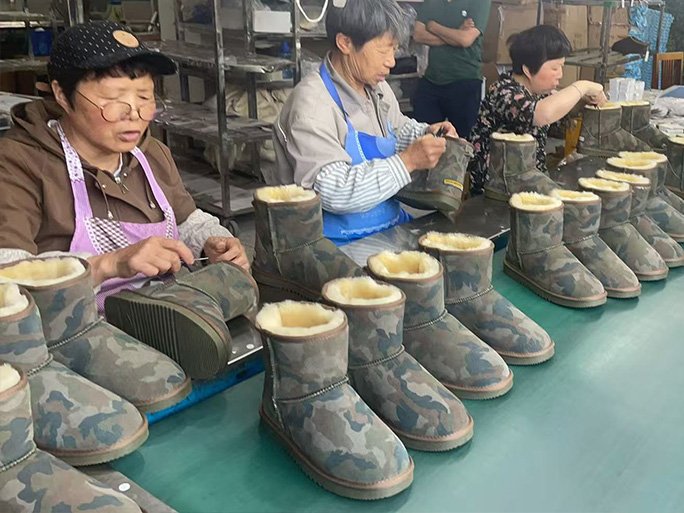
Many buyers struggle to understand why some sheepskin boots feel luxurious while others wear out quickly. The material choices behind the product often explain the difference.
Sheepskin boots are commonly made from double-face sheepskin1, suede sheepskin, wool fleece, EVA soles2, TPR soles3, rubber outsoles4, and various lining materials. Each material affects comfort, durability, warmth, appearance, and price.
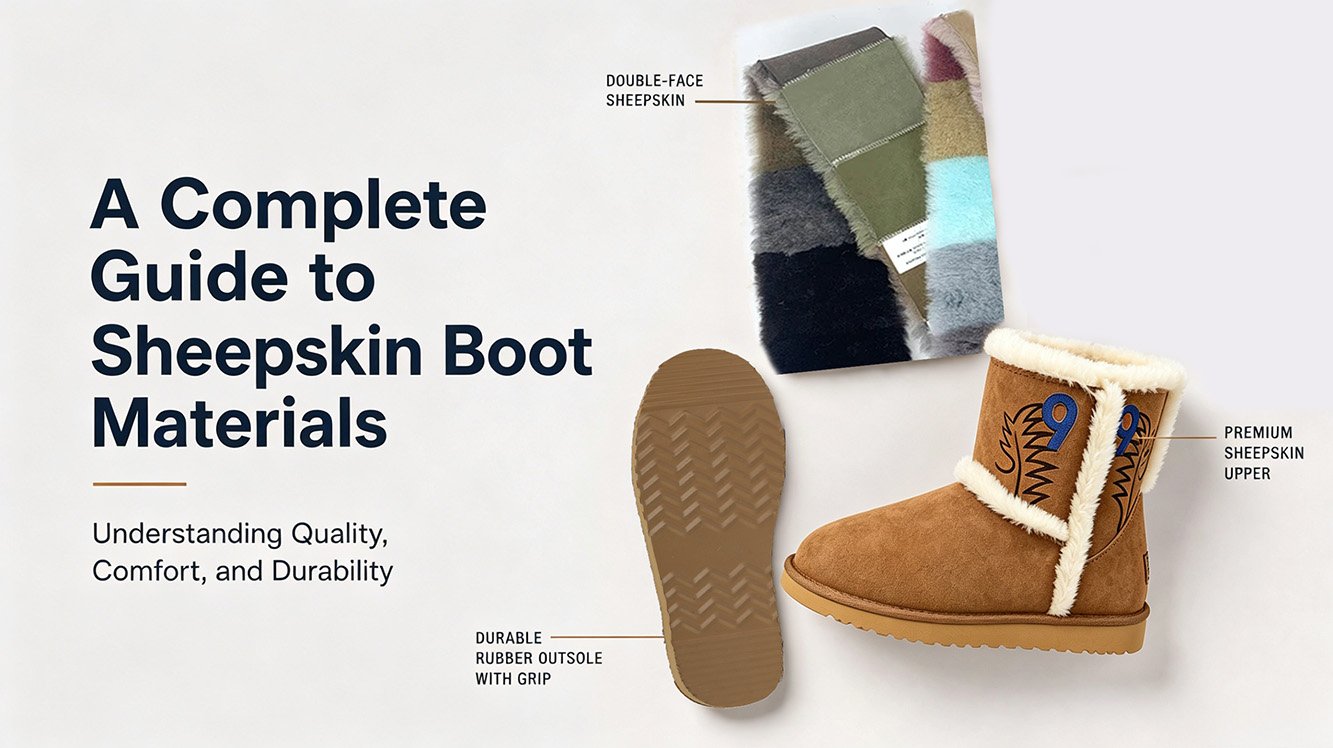
When I work with brands and distributors, one of the first questions I receive is about materials. Many buyers know they want "sheepskin boots," but they are not always aware that several material combinations exist. Understanding these materials helps buyers choose the right product for their market and price point.
What Is Double-Face Sheepskin And Why Is It Considered Premium?
Many consumers assume all sheepskin boots are the same. In reality, the quality of the sheepskin itself can vary significantly.
Double-face sheepskin1 is a premium material where the suede leather exterior and wool fleece interior remain attached as one natural hide, offering superior warmth, breathability5, and comfort.
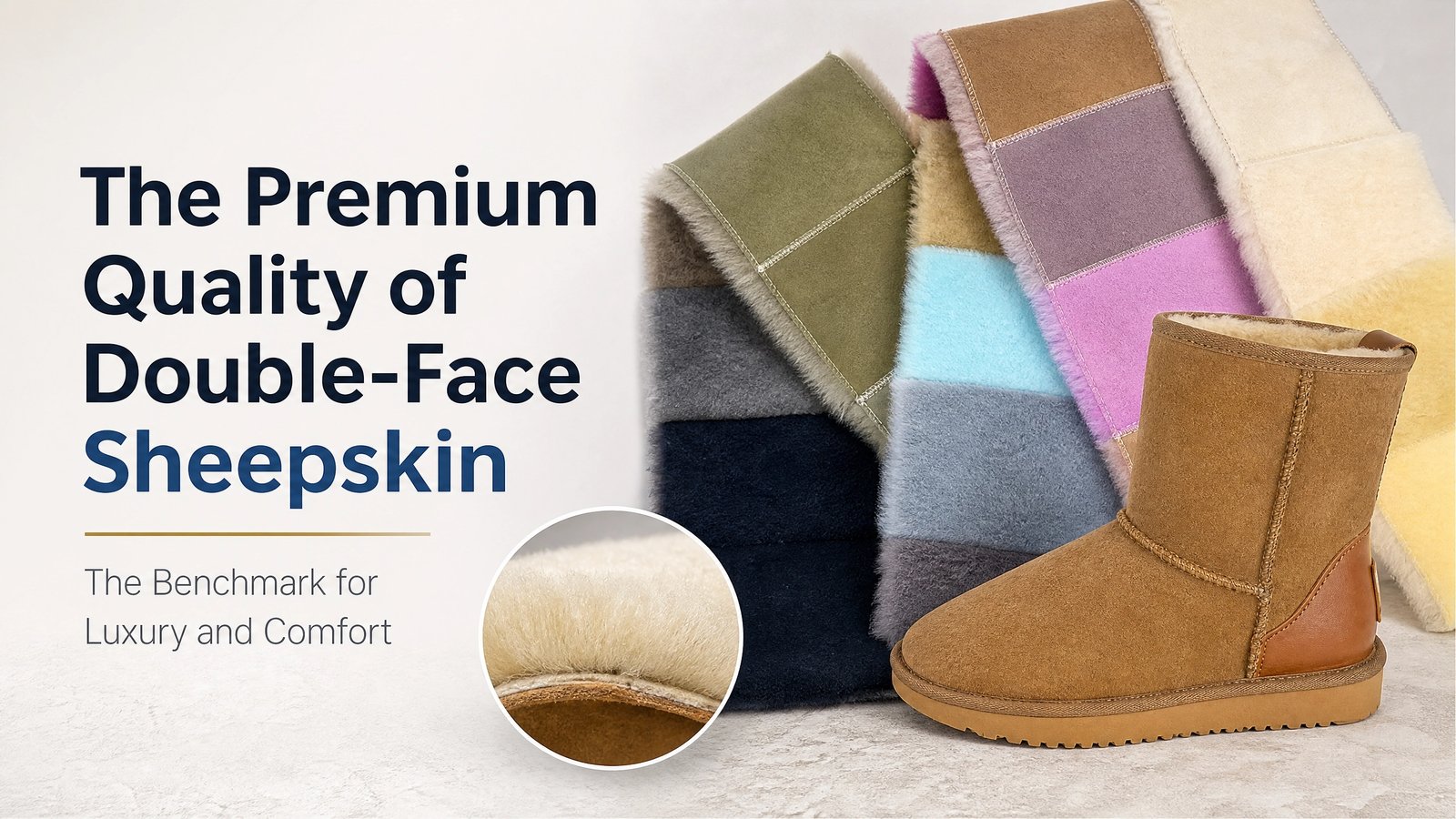
I often recommend double-face sheepskin for premium collections. This material is created from a single sheepskin hide. One side becomes the suede outer layer. The other side remains the natural wool fleece lining.
The biggest advantage is comfort. Natural wool helps regulate temperature. Feet stay warm during cold weather but avoid overheating as easily as synthetic alternatives because of wool's natural breathability5.
I remember working with a New Zealand wool customer who specifically requested genuine double-face sheepskin because their customers valued authenticity and natural materials above all else.
| Feature | Double-Face Sheepskin |
|---|---|
| Warmth | Excellent |
| Breathability | Excellent |
| Comfort | Excellent |
| Durability | High |
| Cost | Premium |
| Natural Material | 100% |
For luxury brands and traditional wool footwear distributors, double-face sheepskin remains the benchmark material.
What Types Of Wool Linings Are Used Inside Sheepskin Boots?
Many buyers focus on the outer appearance but overlook the lining. The lining often determines customer satisfaction.
Common boot linings include genuine sheepskin wool, Australian wool6, New Zealand wool7, wool blends, and synthetic fleece8. Each offers different levels of warmth, softness, and cost efficiency.
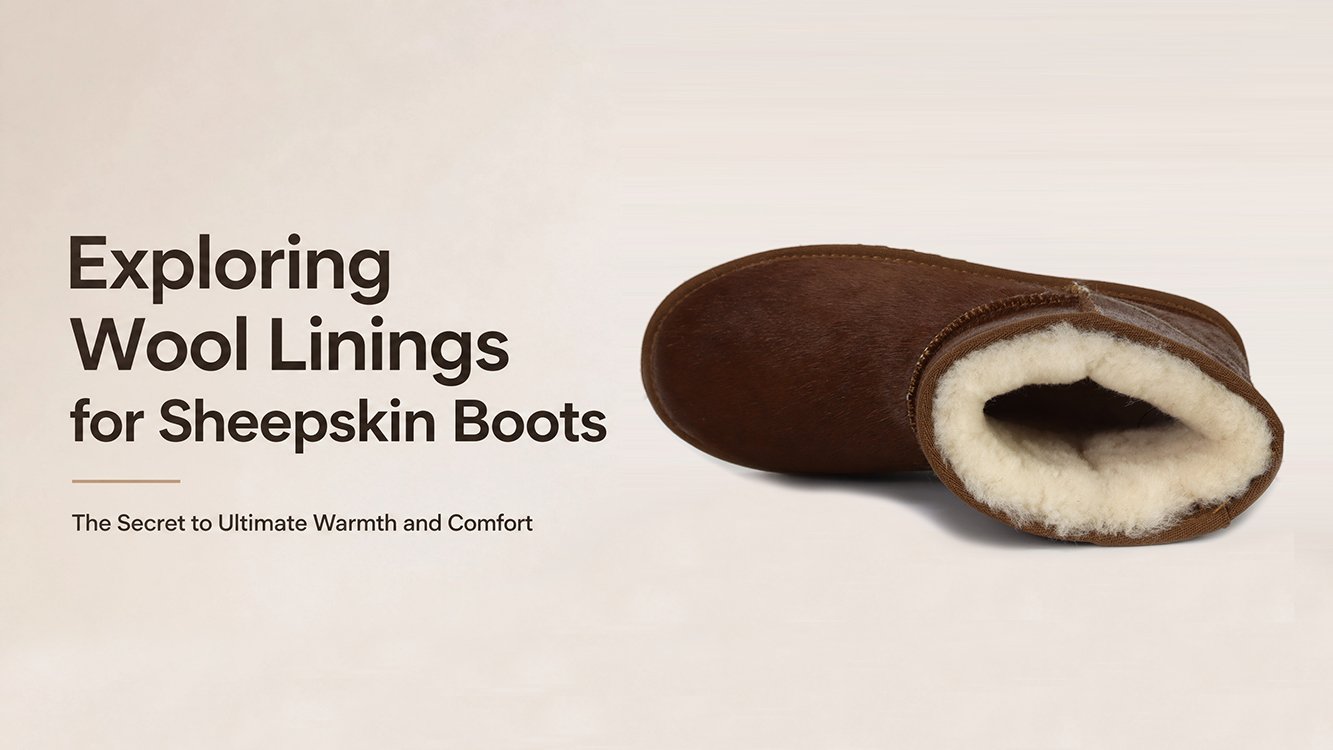
When developing products, I often discuss lining choices before discussing colors or logos. The lining directly impacts comfort.
Natural wool remains the preferred choice for premium products because it absorbs moisture and helps regulate temperature.
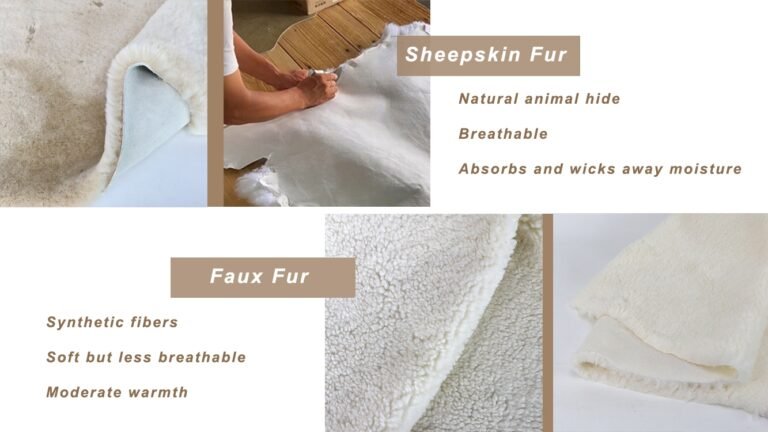
Synthetic fleece8 has become popular in lower-cost collections because it reduces production costs while still providing a soft appearance.
Common lining options include:
| Lining Material | Warmth | Cost Level | Durability |
|---|---|---|---|
| Genuine Sheepskin Wool | Excellent | High | High |
| Australian Wool | Excellent | High | High |
| New Zealand Wool | Excellent | High | High |
| Wool Blend | Good | Medium | Good |
| Faux Fur Fleece | Moderate | Low | Medium |
I often advise buyers to match the lining material with their target market. Premium consumers usually expect genuine wool, while fashion-focused buyers may prioritize appearance and price.
What Materials Are Used For Sheepskin Boot Soles?
Even the best upper material cannot compensate for a poor sole. Many product failures begin from sole selection.
Sheepskin boots commonly use EVA2, TPR3, rubber, or composite soles. The right sole improves comfort, durability, flexibility, and slip resistance.
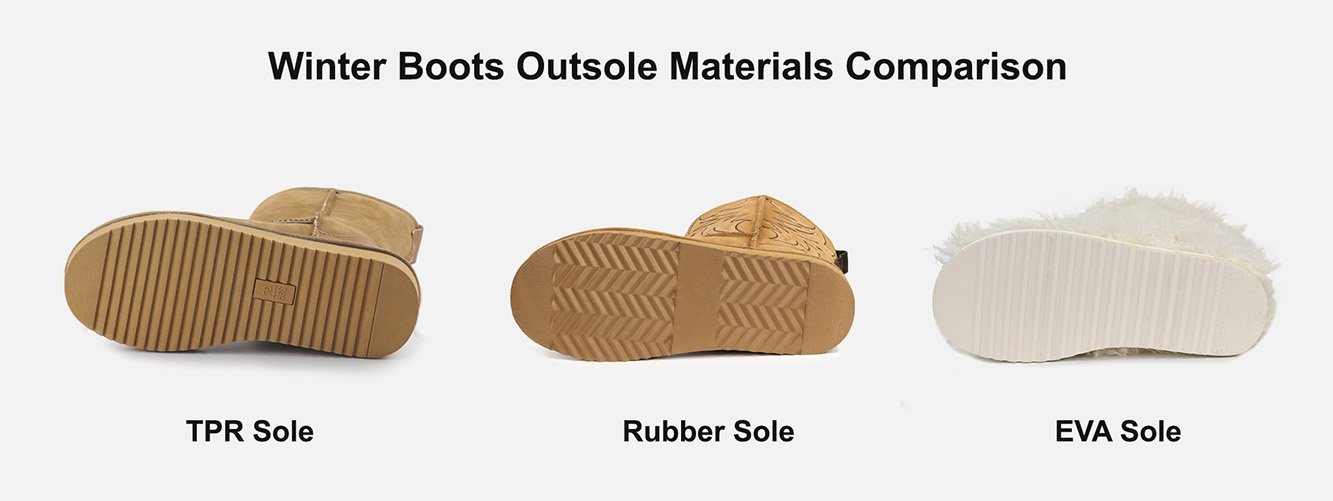
The outsole plays a major role in overall product performance. Different markets often require different sole constructions.
For indoor-focused products, lightweight EVA2 remains very popular because it is soft and comfortable.
For outdoor use, rubber outsoles4 often provide better durability and traction.
I frequently help customers compare sole options based on their sales channels and climate conditions.
| Sole Material | Weight | Flexibility | Durability | Slip Resistance |
|---|---|---|---|---|
| EVA | Very Light | Excellent | Good | Moderate |
| TPR | Medium | Good | Good | Good |
| Rubber | Heavy | Moderate | Excellent | Excellent |
| EVA + Rubber | Light | Good | Excellent | Excellent |
The best choice depends on how customers plan to wear the boots. Indoor comfort and outdoor performance require different solutions.
What Sustainable Materials Are Available For Modern Sheepskin Boots?
More brands now want eco-friendly products, but many buyers are unsure which materials are available.
Sustainable sheepskin boot options include responsibly sourced sheepskin, recycled EVA9, recycled rubber10, eco-certified wool, water-based adhesives11, and recycled packaging materials12.
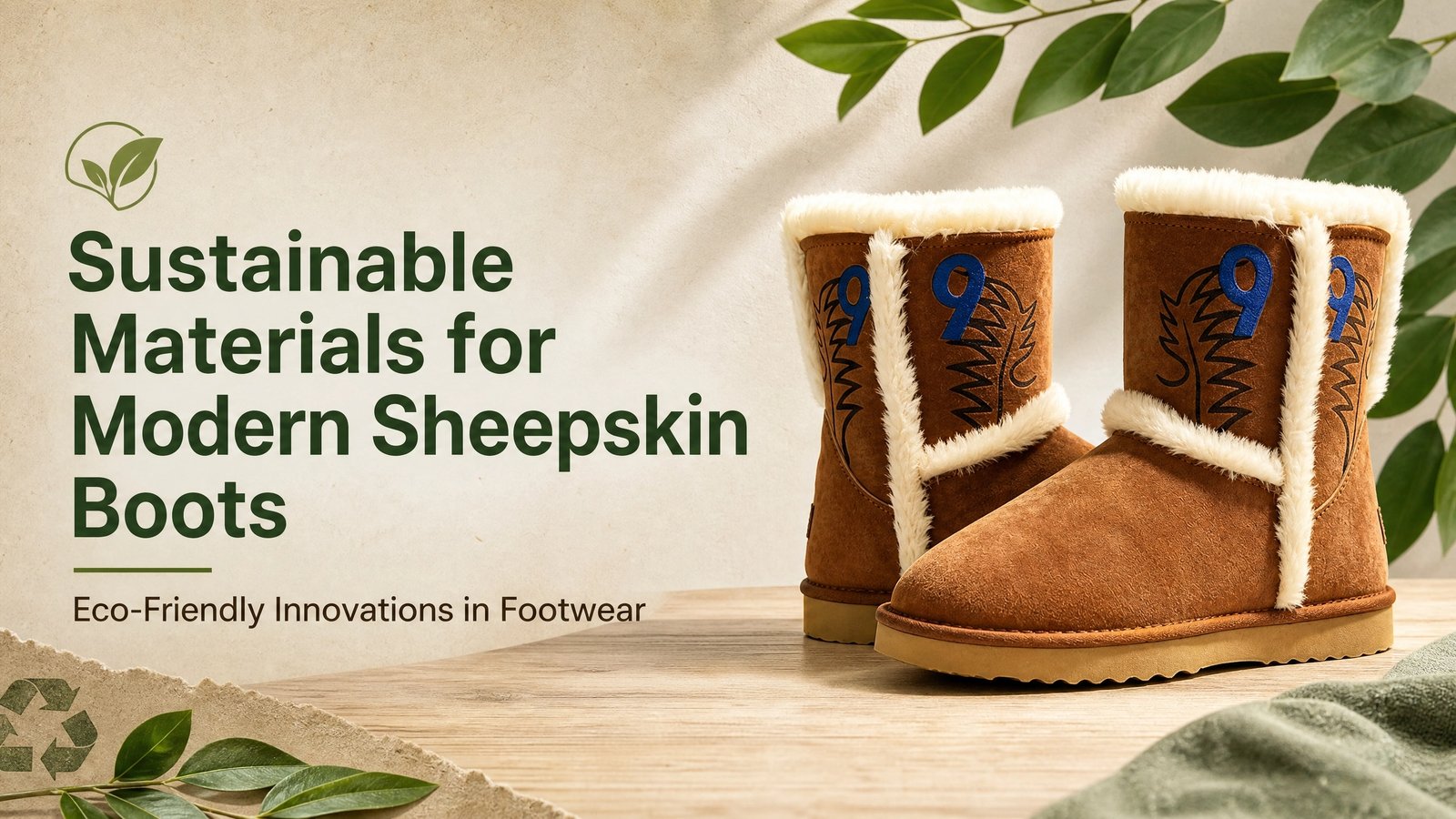
Over the past few years, I have seen increasing demand for environmentally responsible footwear materials. Many fashion brands now request material certifications13 alongside product samples.
Sustainability can involve several parts of the product:
| Sustainable Component | Available Option |
|---|---|
| Upper Material | Certified sheepskin |
| Wool Lining | Responsible wool sourcing14 |
| Outsole | Recycled EVA |
| Rubber Parts | Recycled rubber |
| Adhesives | Water-based adhesives |
| Packaging | Recycled paper packaging |
One designer client I worked with placed sustainability at the center of their brand identity. Material certifications13 became as important as the product itself.
The good news is that buyers no longer need to sacrifice comfort or appearance to improve sustainability. Many eco-friendly materials now perform similarly to traditional options.
Conclusion
Understanding sheepskin boot materials helps buyers balance comfort, quality, sustainability, and cost while selecting the right product for their target market.
Helps readers understand what double-face sheepskin is, how it is produced, and why it is considered the premium material for sheepskin boots. ↩
Helps readers understand why EVA is commonly used in footwear due to its lightweight cushioning and flexibility. ↩
Helps readers understand the properties of TPR soles, including flexibility, durability, and slip resistance. ↩
Helps readers understand why rubber outsoles are commonly chosen for durability, traction, and outdoor performance. ↩
Helps readers understand how natural wool regulates temperature and moisture, improving comfort inside footwear. ↩
Helps readers understand the qualities of Australian wool and why it is widely used in premium footwear products. ↩
Helps readers understand the reputation, quality, and performance characteristics of New Zealand wool used in footwear. ↩
Helps readers compare synthetic fleece with natural wool in terms of warmth, cost, durability, and comfort. ↩
Helps readers understand how recycled EVA supports sustainability goals while maintaining footwear performance. ↩
Helps readers understand how recycled rubber can reduce environmental impact in footwear manufacturing. ↩
Helps readers understand how water-based adhesives reduce VOC emissions and support more sustainable footwear production. ↩
Helps readers understand how recycled packaging contributes to more environmentally responsible product development. ↩
Helps readers understand the importance of certifications and compliance documents when evaluating sustainable footwear materials. ↩
Helps readers understand wool sourcing standards and certifications that support animal welfare and sustainability. ↩