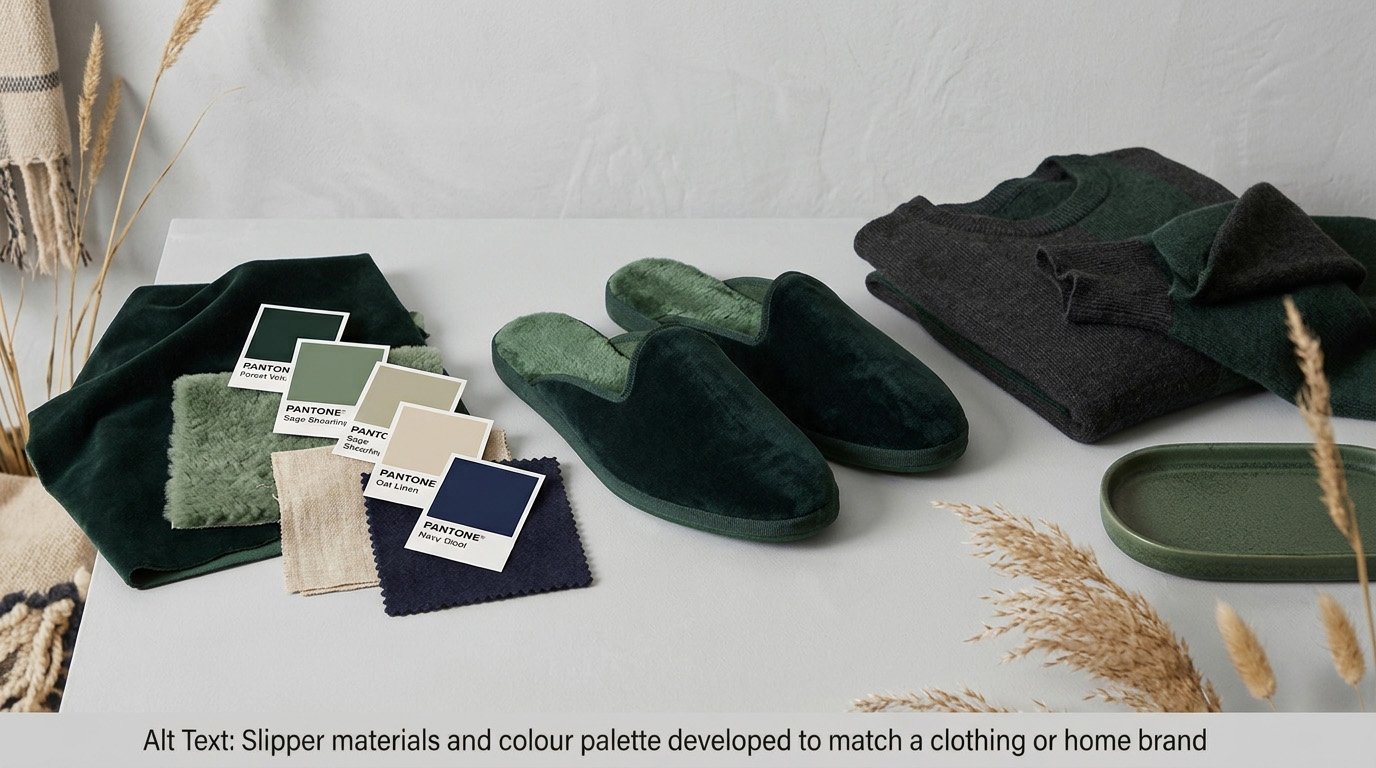
A clothing or home brand should carry three things into slippers: the visual cues customers already recognise, the quality level they expect and the mood that connects the new product to the existing collection. It does not need to copy every original material literally.
At JNP, our 16 years in footwear sourcing and production have included projects for accessory, salon, fashion, sleepwear and home-lifestyle brands. The strongest developments feel familiar to the brand while still working properly as shoes.
Start With What Customers Already Recognise
Colour and overall mood are usually the first brand signals that buyers look for when they enter footwear. They may not know the correct outsole or construction yet, but they immediately know whether a slipper feels like something their customer would recognise.
A consistent brand colour palette can help connect new footwear to the visual identity customers already associate with a clothing or home collection.
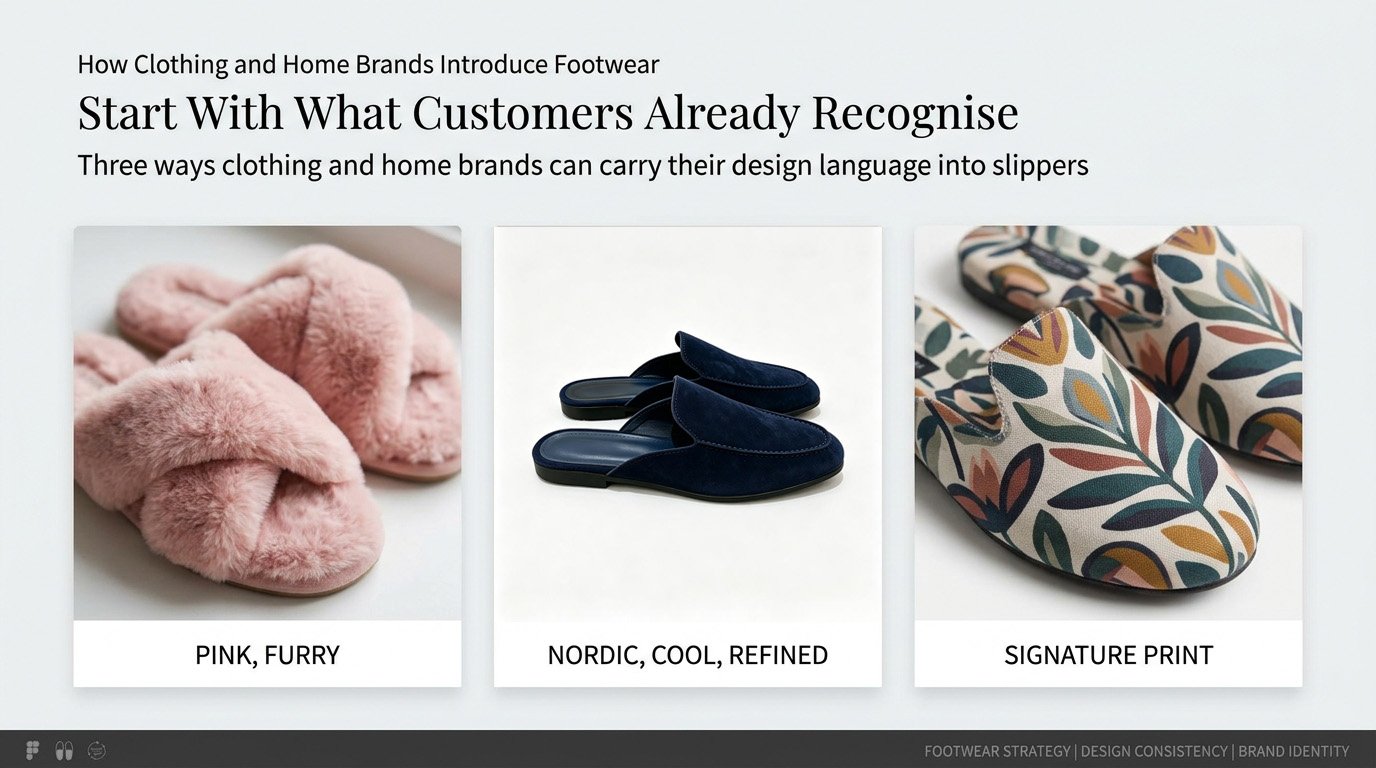
We have seen female-focused brands respond strongly to pink furry slippers when the colour was close to their established palette. The attraction was not simply that pink was popular; the product already looked at home beside the brand's existing pieces.
A Nordic bedding customer made a very different choice. Its collection used quiet, cool colours and sat at a higher quality position, so the buyer selected refined slipper samples that could sit naturally beside the bedding and other products in the store.
These examples point to the same question: not “Which slipper is fashionable?” but “Which slipper belongs in this brand?” If the product role is still unclear, the brand should first decide what type of slipper it needs to develop before choosing colours and details.
Carry the Brand Position, Not Only the Colour
A slipper can match the brand palette and still feel wrong if its material, finish or perceived quality sits below the rest of the collection. A premium bedding customer does not only need the correct beige or grey; it needs a slipper that supports the same quiet, considered product experience.
That was why our Nordic bedding customer did not simply choose the closest cool-toned sample. The buyer also selected a better-quality slipper that could sit comfortably beside the brand's premium bedding and other store products.
For buyers evaluating footwear materials and construction, the important question is whether the selected materials, finish and structure support both the brand's quality position and the intended use of the slipper.
Frette offers a clear public example. The luxury-linen brand says the textures and colour palettes in its slippers mirror details found in its silk pyjamas, linen loungewear and cotton terry bathrobes. Its slipper range then uses footwear-appropriate materials such as cotton velvet, suede, shearling and leather rather than treating colour alone as the link. Frette describes this coordination on its official slipper page.
That balance matters even more in a cautious market. In McKinsey and The Business of Fashion's 2026 fashion outlook, 70% of surveyed consumers said they planned to spend less, while 80% showed value-seeking behaviour. This research highlights consumer value-seeking behaviour as a relevant consideration when brands decide how much to invest in new product categories.
A new slipper therefore needs more than a familiar colour: its quality and usefulness must also make sense beside the brand's existing products.
This does not mean every premium-looking brand needs the most expensive material. It means the material choice, finish and intended use should support the promise the brand has already made to its customers.
Keep the Signature, Change the Material When the Shoe Needs It
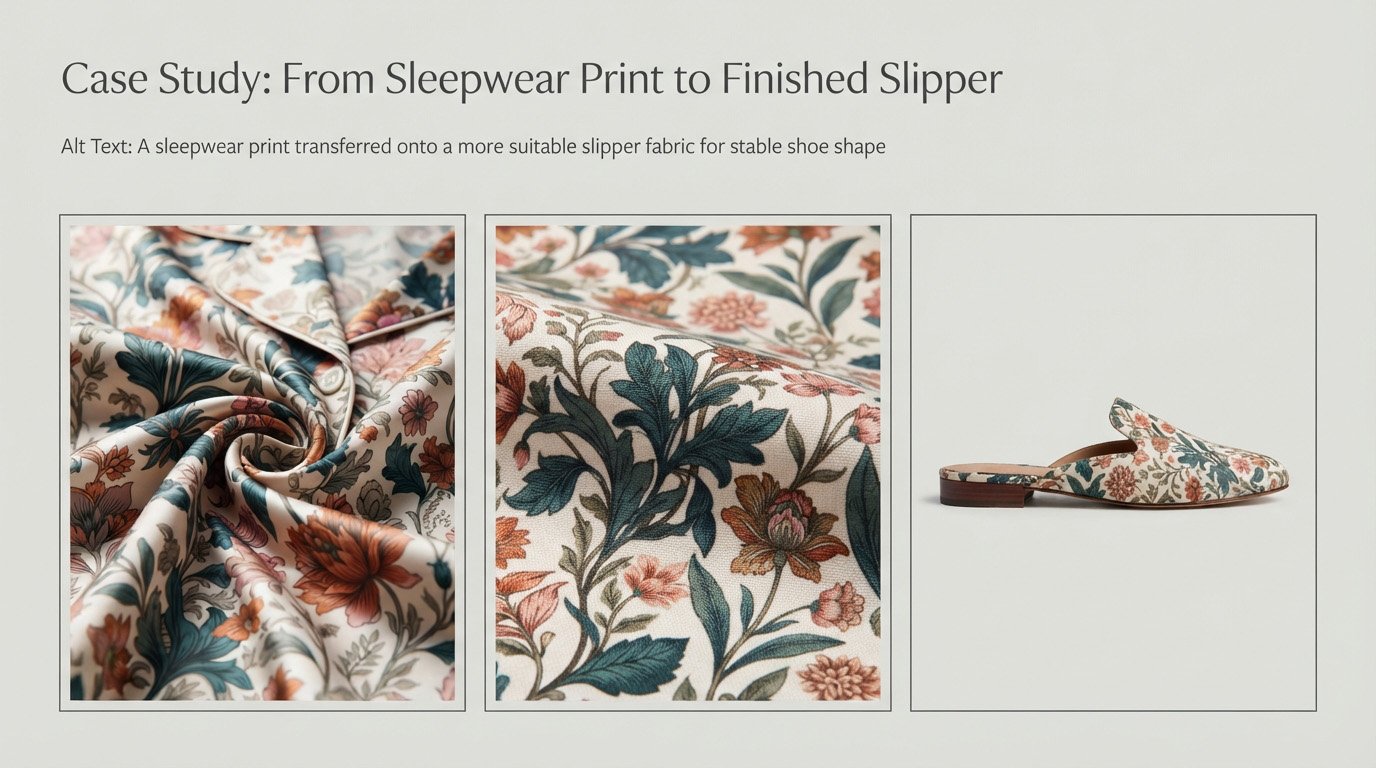
Sometimes the most faithful way to preserve a brand element is to change the original material. One of our sleepwear customers wanted to use its own printed fabric for slippers, which made sense from a branding point of view.
The problem was physical. The sleepwear fabric was too thin for the intended shoe, so the upper could wrinkle and lose the clean shape the customer expected. Using the original cloth without adjustment might have preserved the print while weakening the finished product.
JNP kept the recognisable pattern but moved it onto a fabric better suited to slipper construction. We then coordinated the colour combination around the customer's existing look. The customer accepted the solution and continued into bulk production.
When assessing fabric suitability for footwear, brands and suppliers should consider whether the material can maintain the intended shape, withstand its expected use and deliver the finish required for the product.
This approach can also be seen in established loungewear collections. Desmond & Dempsey carries its hand-painted Sansindo tiger print into slippers, while the slipper itself uses quilted cotton, a wool lining and a suede base. The signature stays visible, but the construction changes for the product. The brand lists those materials on its official product page.
This is a useful example of signature print in footwear: the recognisable design element remains, while the materials are adapted to the new product category.
The principle is simple: decide what the customer should recognise, then protect that signal without asking an unsuitable material to perform a job it cannot do.
Let the First Sample Test Both Identity and Shoe Quality
A first slipper sample should answer two questions: does it still feel like the brand, and does it work as a shoe? Passing only the first test can produce an attractive but weak product; passing only the second can produce a generic slipper that adds little to the collection.
The 2026 AlixPartners and FDRA footwear survey reflects this balance. Brand positioning scored 5.2 in its ranking of purchase influences, behind pricing at 6.4, product reviews at 6.1 and the in-store experience at 5.8. Readers can consult the survey for more detail on footwear purchase influences and how brand positioning compares with other buying considerations.
Before sampling, a clothing or home brand does not need to become a footwear expert. It does need to show the supplier what customers already recognise: the brand website, representative products, important colours or prints, the expected quality position and the intended wearing situation.
JNP can then help separate the elements that should remain visible from the parts that need to change for footwear. For a first test, that may mean keeping a proven shoe structure while concentrating the brand difference in the areas customers can actually see and value—the same logic behind deciding what to customise now and what to scale later.
A structured approach to low-MOQ custom footwear development can help brands test design details and customer response before committing to larger production quantities.
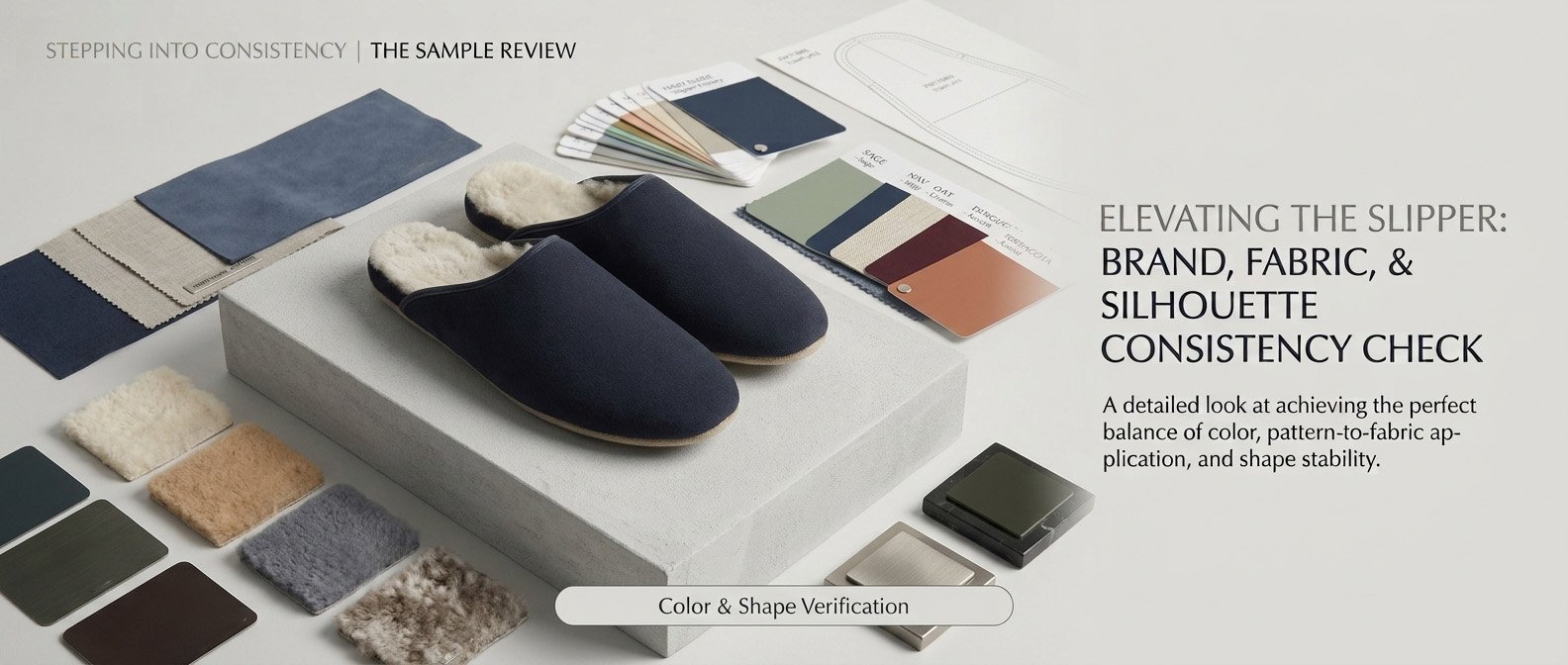
A successful brand extension does not need to copy every original component. It needs to preserve what customers recognise while giving the new product the materials and structure it needs to succeed as footwear.