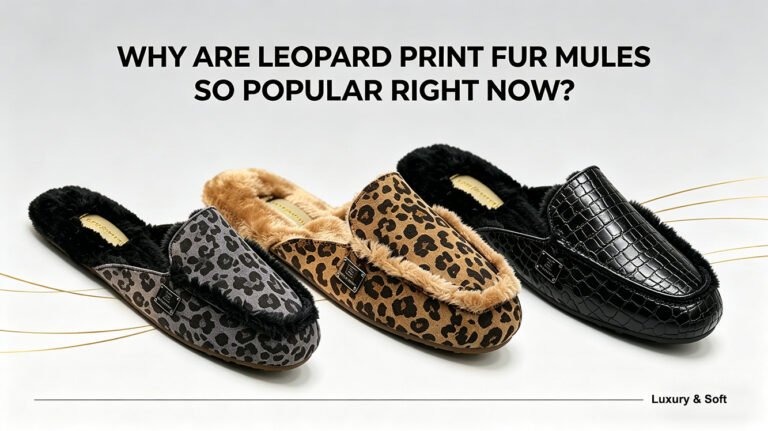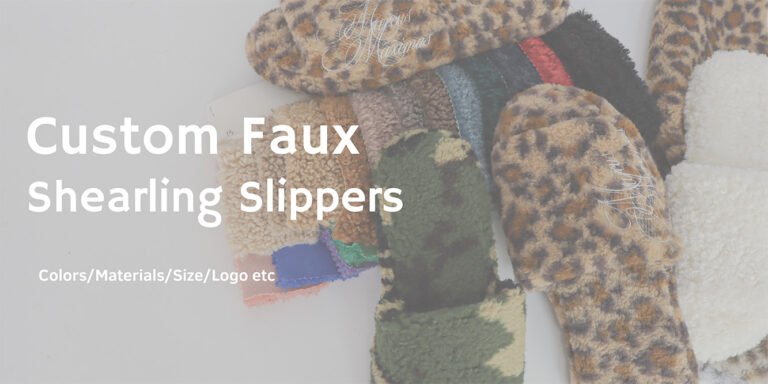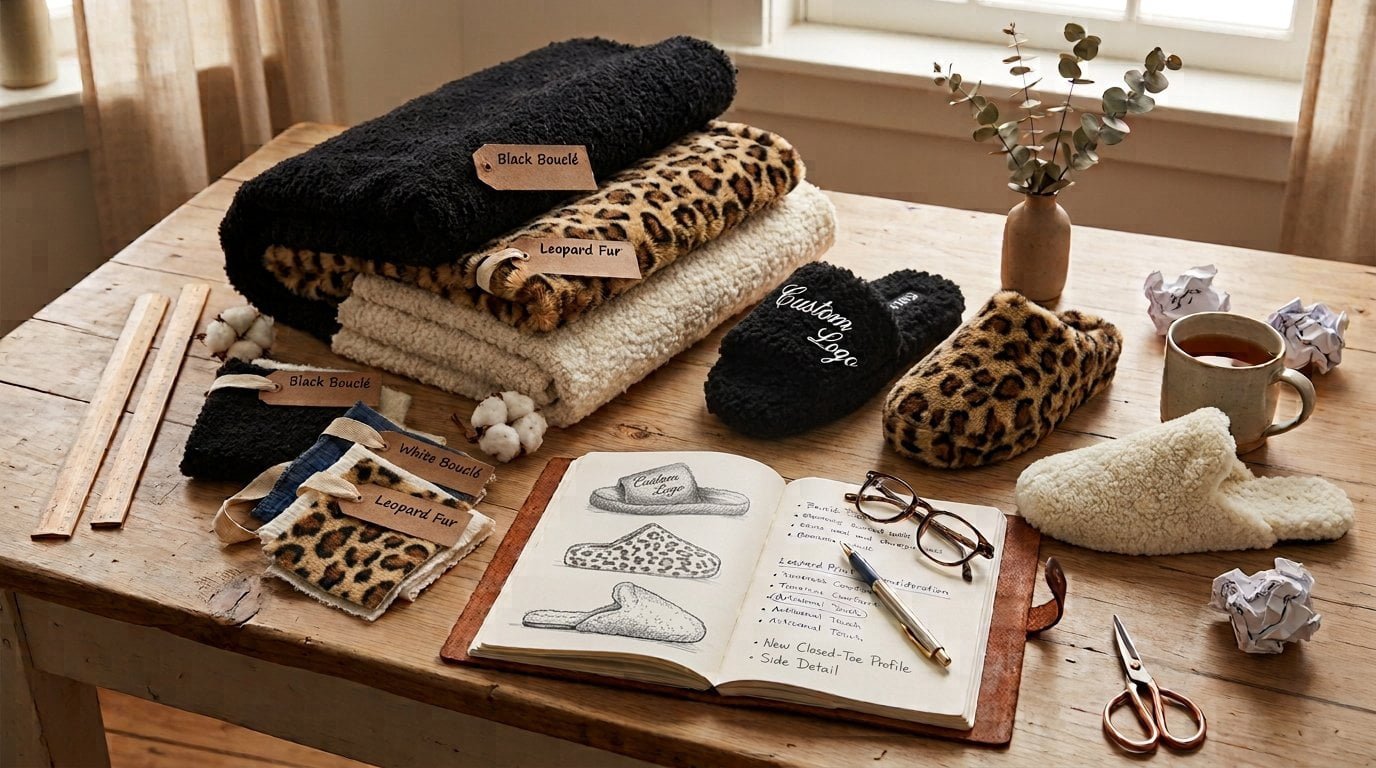
The first slipper your brand creates should reflect what customers already trust, draw on proven product experience and grow through collaboration. A supplier’s best seller can open the conversation, but it cannot express the brand alone.
If you know the feeling you want to create but not the exact style, that uncertainty is natural when entering a new category.
At JNP, we often meet home, clothing and lifestyle brands at this stage. We bring production experience and market feedback; the client brings its story, customer understanding and aesthetic judgment. A stronger direction often appears when they meet.
Brand Extension Requires More Than Material Similarity
A first slipper should carry forward what customers already trust about the brand, not only copy a familiar fabric or colour. That trust may come from softness, quiet luxury, environmental values, family memories or the comfort of buying the same classic product again.
A well-known study by David A. Aaker and Kevin Lane Keller found that how well a new category fits the original brand affects how consumers respond to the extension. This is an example of brand extension: introducing a brand into a new product category while drawing on its existing identity and reputation.
Another study by C. Whan Park, Sandra Milberg and Robert Lawson found that people look at both product similarity and consistency with the wider brand concept. In simple terms, familiar fabric can help, but the slipper still needs to feel true to the brand. This is why brand concept consistency matters when deciding which qualities should carry over into footwear.
We saw this with a clothing brand that placed environmental values at the centre of its business. Using its apparel fabric for shoes and accessories was only the first step. We also followed the client’s environmental requirements when discussing trims and the outsole. Without confirmed material details or testing, we would not call the whole shoe sustainable. Buyers evaluating textile material certifications should distinguish between evidence relating to individual materials and evidence supporting claims about the finished product. The brand value still guided decisions beyond the upper.
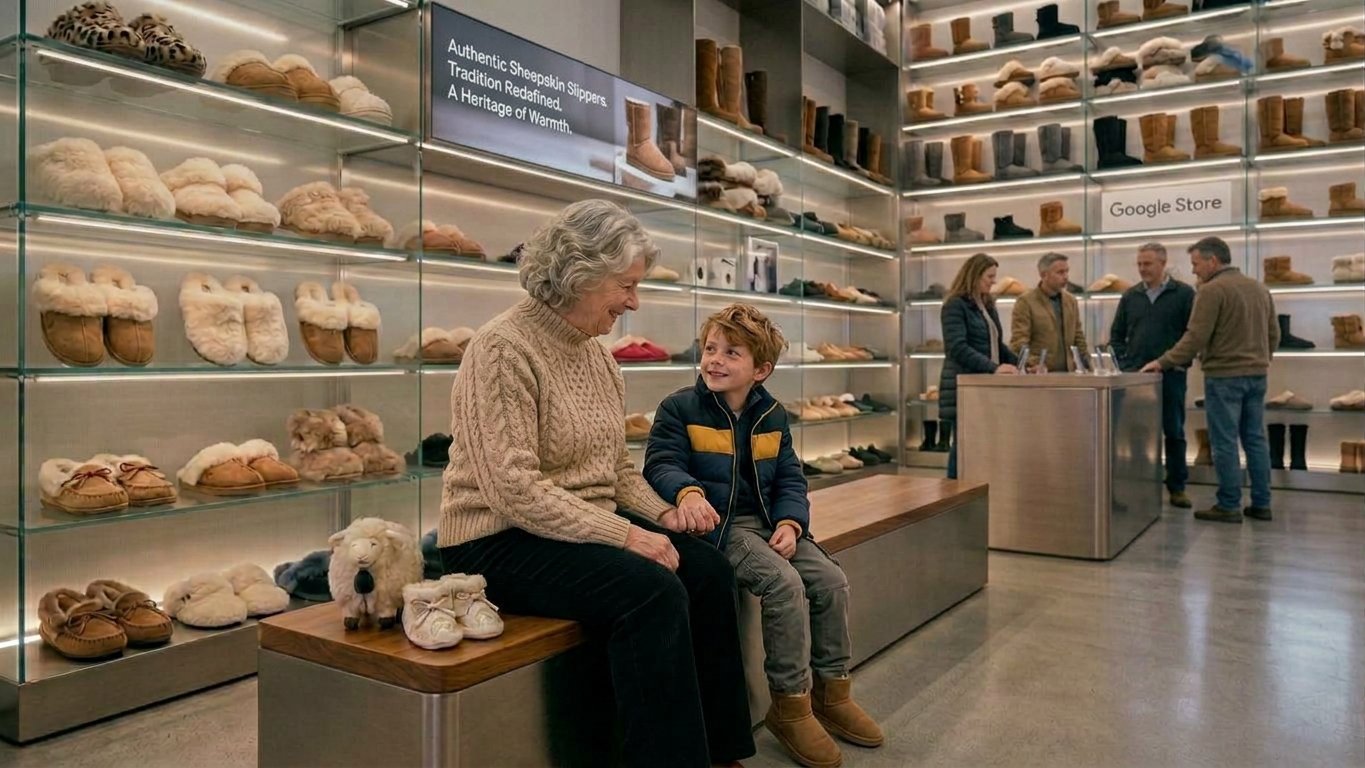
A wool-slipper client shared a different story. A shop assistant had watched a grandmother bring her grandson into the store to buy wool slippers. The client said some customers returned after two or three years and chose the same style again.
This was not audited repeat-purchase data. It was a small store story, but it expressed the brand clearly: quality, comfort and something familiar to return to each winter. In retail, repeat purchase behaviour describes customers buying from a brand or choosing a product again. For that brand, an exciting new silhouette might matter less than creating a classic product people do not have to rethink.
If you are still defining which brand signals should move into footwear, our guide to extending a clothing or home brand’s design language into slippers offers a useful first step.
Use Proven Products to Open the Discussion, Not End It
A proven product is most useful when it helps a brand see and compare possibilities, not when it is presented as a design to copy. Sales experience shows that a product has found customers before. It cannot decide what will feel right for a new brand.
When a blanket brand approached us about indoor slippers, its story was connected with softness, memory and comfort. We would use several real products to make those feelings easier to discuss.
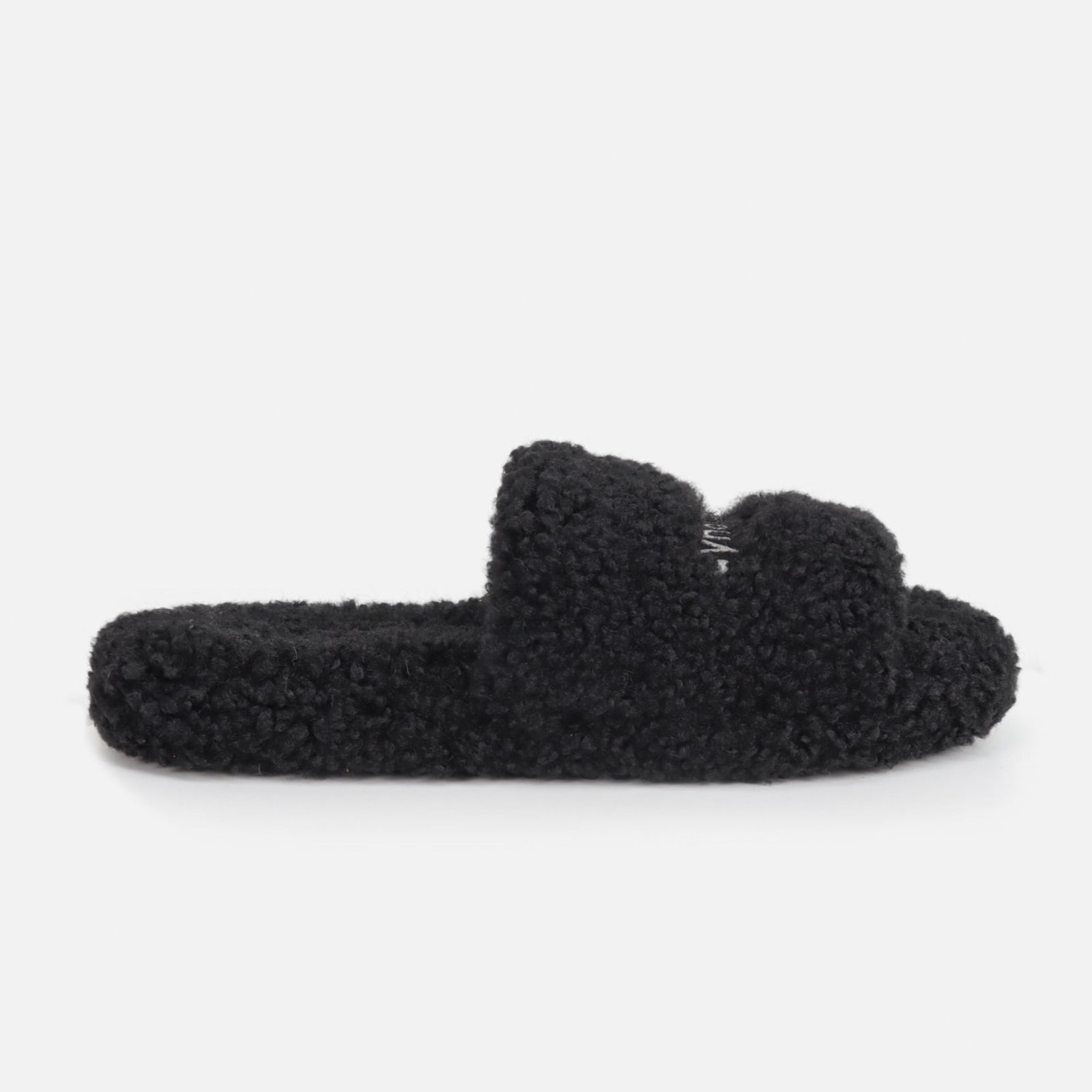
The 9444 faux-shearling slide offers a soft, casual direction with a relaxed silhouette and a light indoor-outdoor role. It can help a brand explore how familiar comfort might become a more flexible lifestyle product.
The 9188 leopard fluffy slipper takes comfort in a warmer and more fashion-led indoor direction. Its closed toe and visible pattern can start a different conversation about personality and recognition.
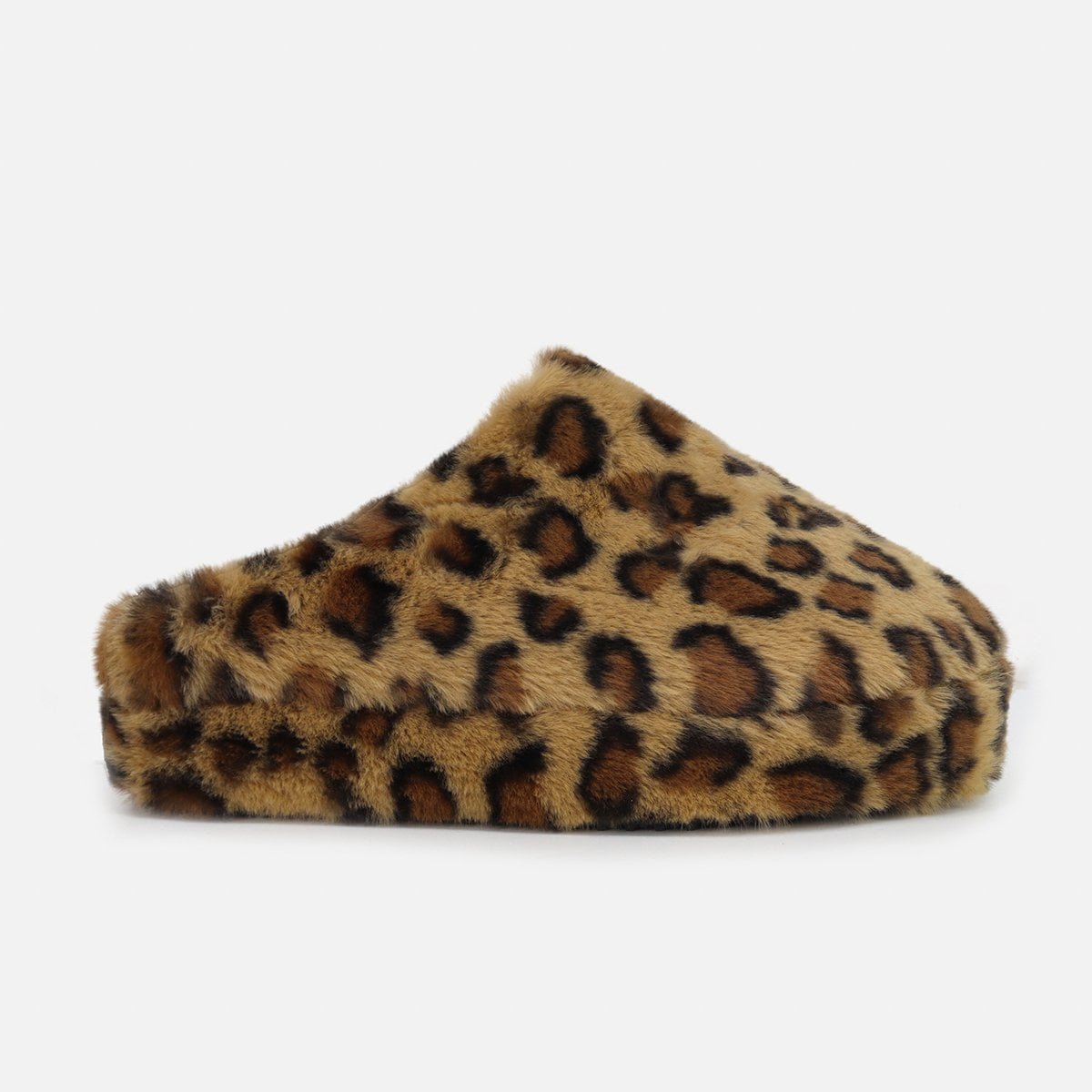
Both styles have received positive feedback in our US customer projects. That experience is useful context, but it is not public sales data or a promise that every brand will get the same result.
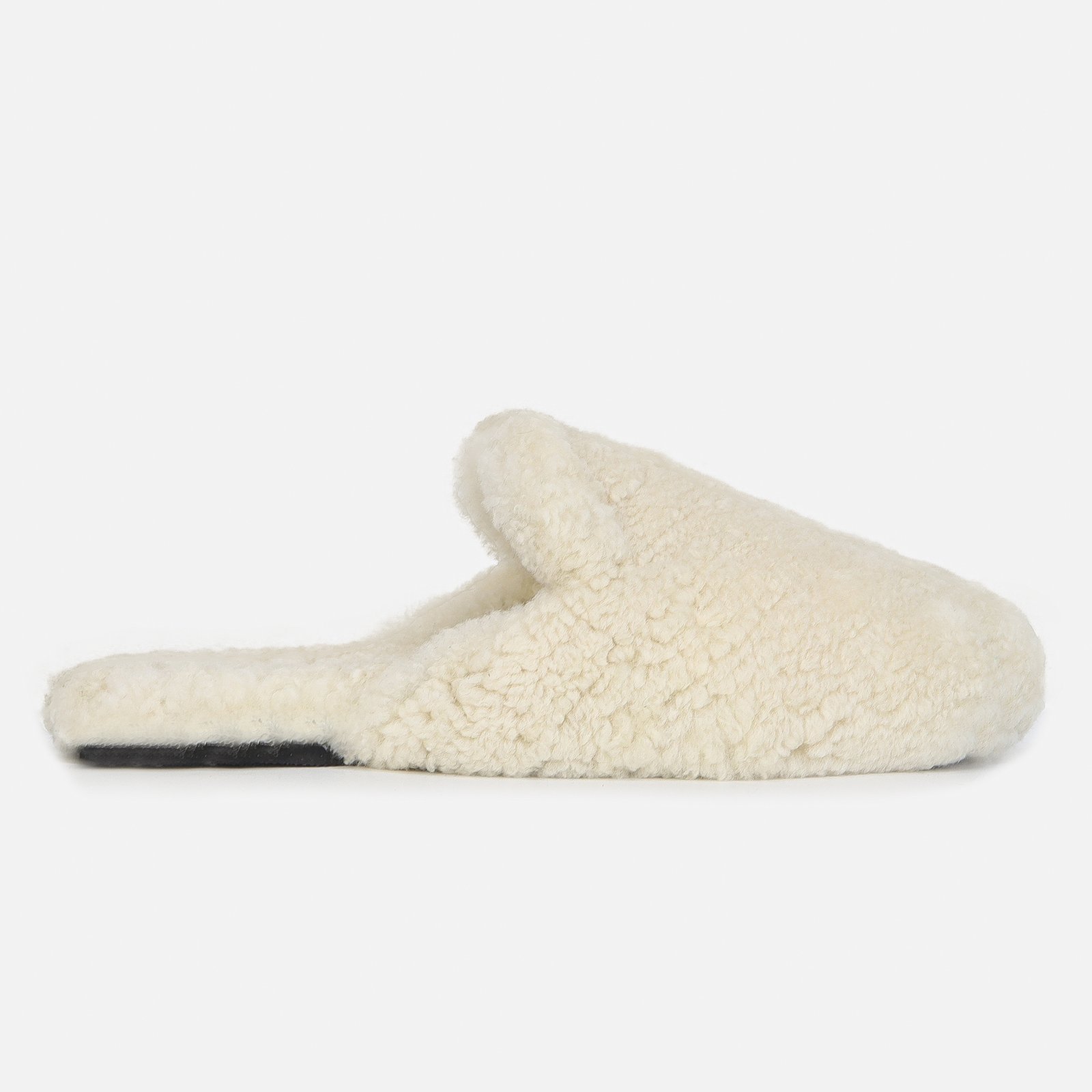
For a premium homewear brand, we would also introduce the 10314 shearling mule. Its simple shape and material story can support a quieter idea of quality and understated style. This direction has received good feedback in JNP’s European customer projects, rather than representing a claim about the whole European market.
These products give the client something real to respond to. “We like the softness, but our shape should be calmer” is already a useful step forward. A best seller can remove the fear of a blank page without taking the decision away from the brand.
If the larger product role is still unclear, it may help to review what type of slipper a lifestyle brand should develop first.
A Better First Product Comes From Co-Development
A stronger first product often appears when supplier experience and brand judgment improve each other. The supplier understands product and production. The brand understands its customers, story and visual world.
A review of supplier involvement in new product development found that suppliers can contribute specialised skills, but the results depend on how the collaboration is managed. This is consistent with the principle of supplier involvement in new product development external manufacturing partners can contribute technical knowledge and production experience while the brand retains responsibility for its market positioning and design direction.
This matches our experience: once clients see real product directions, they often bring a better reference, combine ideas or suggest something more true to the brand.
We see that as progress. You do not need a perfect slipper drawing to begin. A clear brand feeling and an honest response to the first references can be enough to shape the product together.