Winter footwear often feels repetitive and limiting. I see the same designs everywhere. Many buyers want warmth and style, yet they struggle to find something personal.
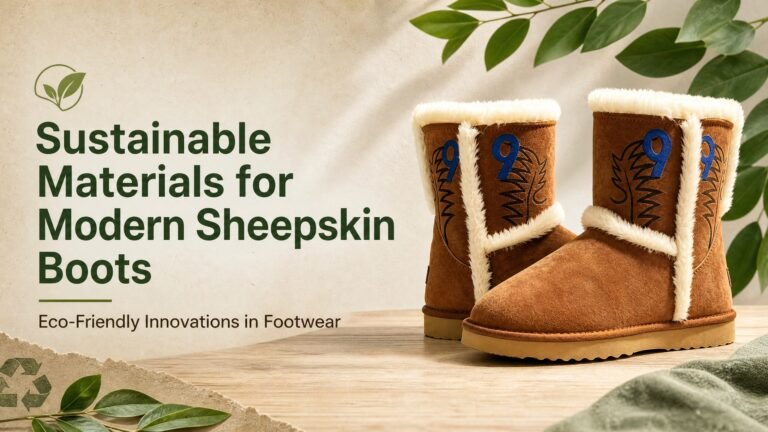
Custom sheepskin boots1 are reshaping the industry by combining comfort, personalization, and sustainability, allowing brands and consumers to move beyond mass production into unique, high-value winter footwear solutions.
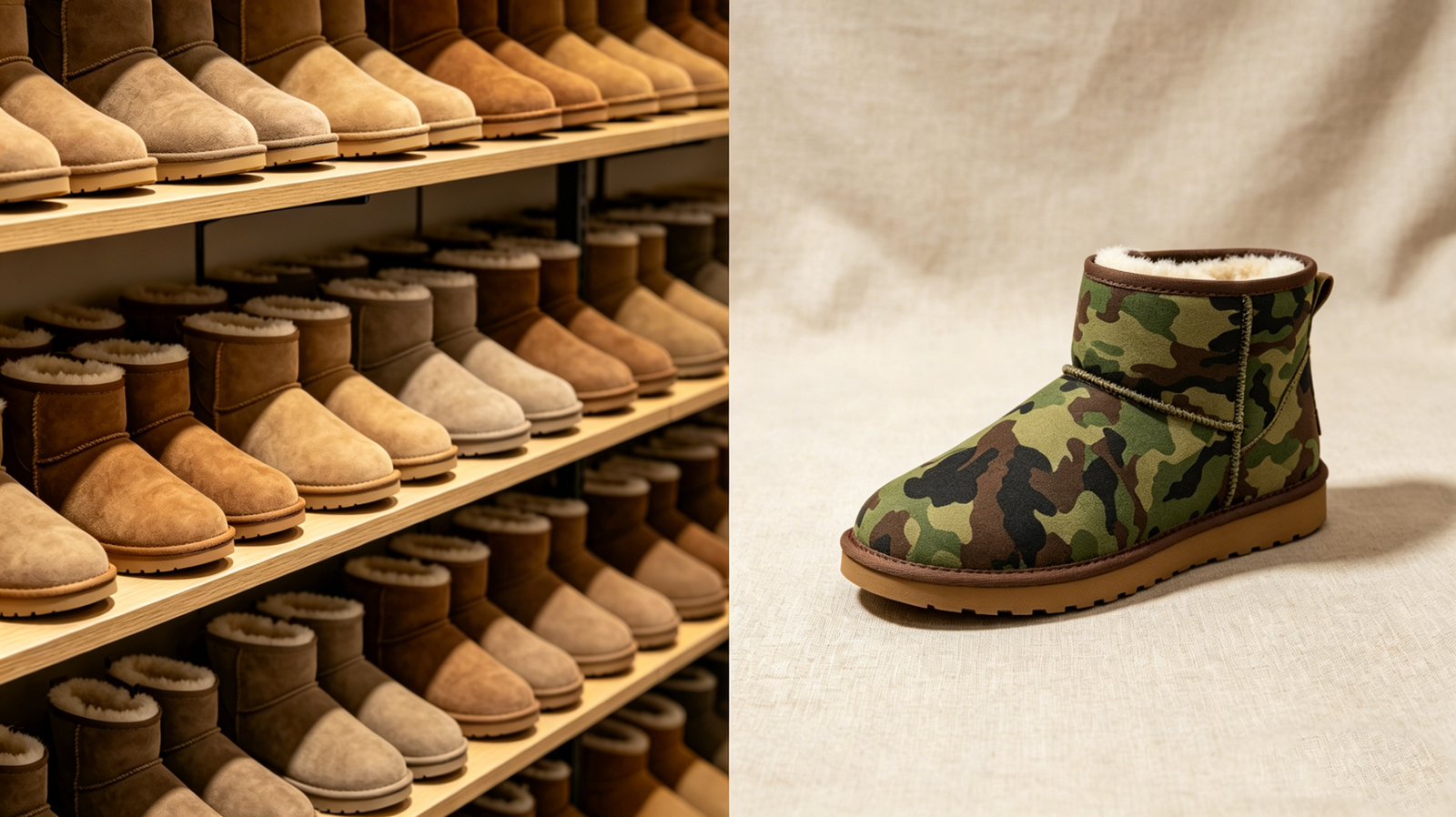
I have watched this shift happen step by step. What started as a niche request has now become a key driver of growth. Once I noticed it, I could not stop seeing how deeply it changes the entire market.
Why Are Sheepskin Boots2 Becoming So Popular?
I often hear buyers complain about generic winter boots. They feel boring. They lack identity. That frustration creates demand for something different.
Sheepskin boots2 are gaining popularity because they offer personalized design, better fit, and brand differentiation, while still delivering warmth and comfort that consumers expect.
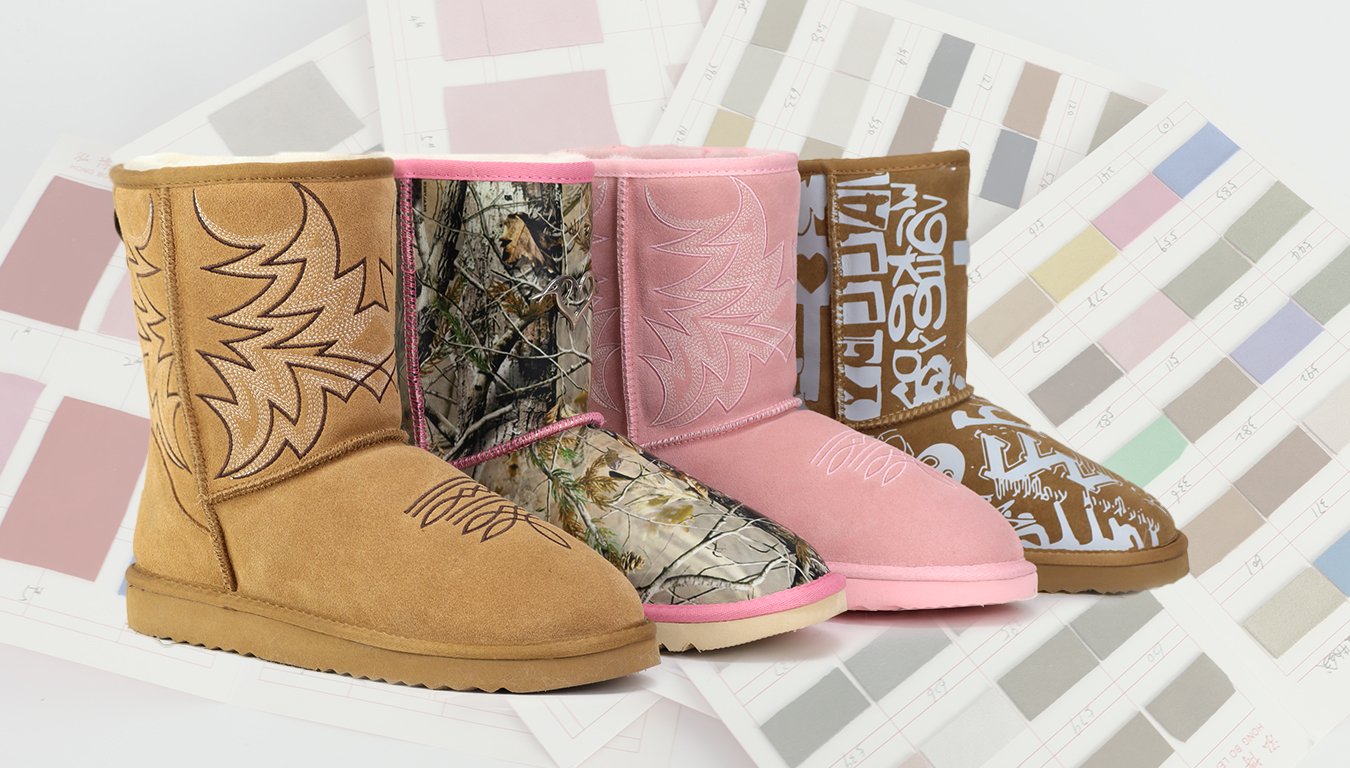
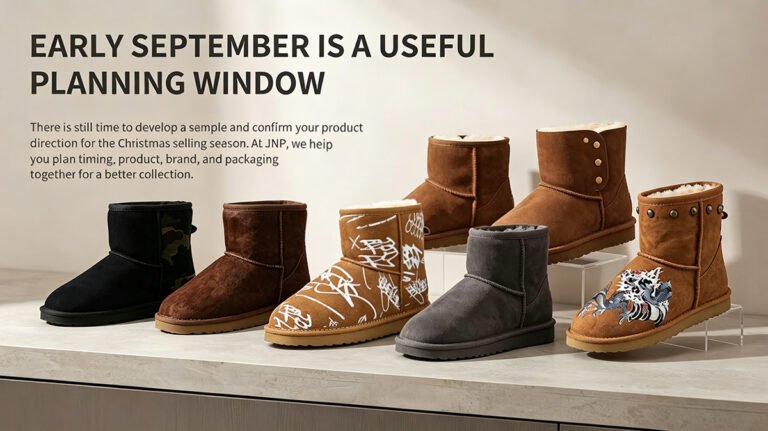
When I work with clients, I notice one clear pattern. They no longer want standard products. They want control over colors, logos, and materials. This shift comes from deeper consumer behavior changes.
Breaking Down the Demand for Customization in Manufacturing3
| Factor | Impact on Buyers | Result for Brands |
|---|---|---|
| Personal identity | Buyers want unique styles | More SKU variations |
| Social media influence | Visual differentiation matters | Faster trend cycles |
| Comfort expectations | Demand for tailored fit | Product upgrades |
| Brand storytelling | Custom logos and details | Stronger brand loyalty |
Customization in manufacturing3 is not just about looks. It is about emotional connection. When a customer feels a product is “made for them,” they are more likely to buy again.
I also see this trend strongly among younger buyers. Gen Z fashion behavior4 shows a clear preference for products that mix style and function.
How Does Customization Impact the Supply Chain?
At first, I thought customization would slow everything down. But I quickly learned the opposite can happen with the right system.
Customization changes the supply chain by requiring supply chain flexibility5, smaller batches, and closer collaboration between brands and manufacturers.
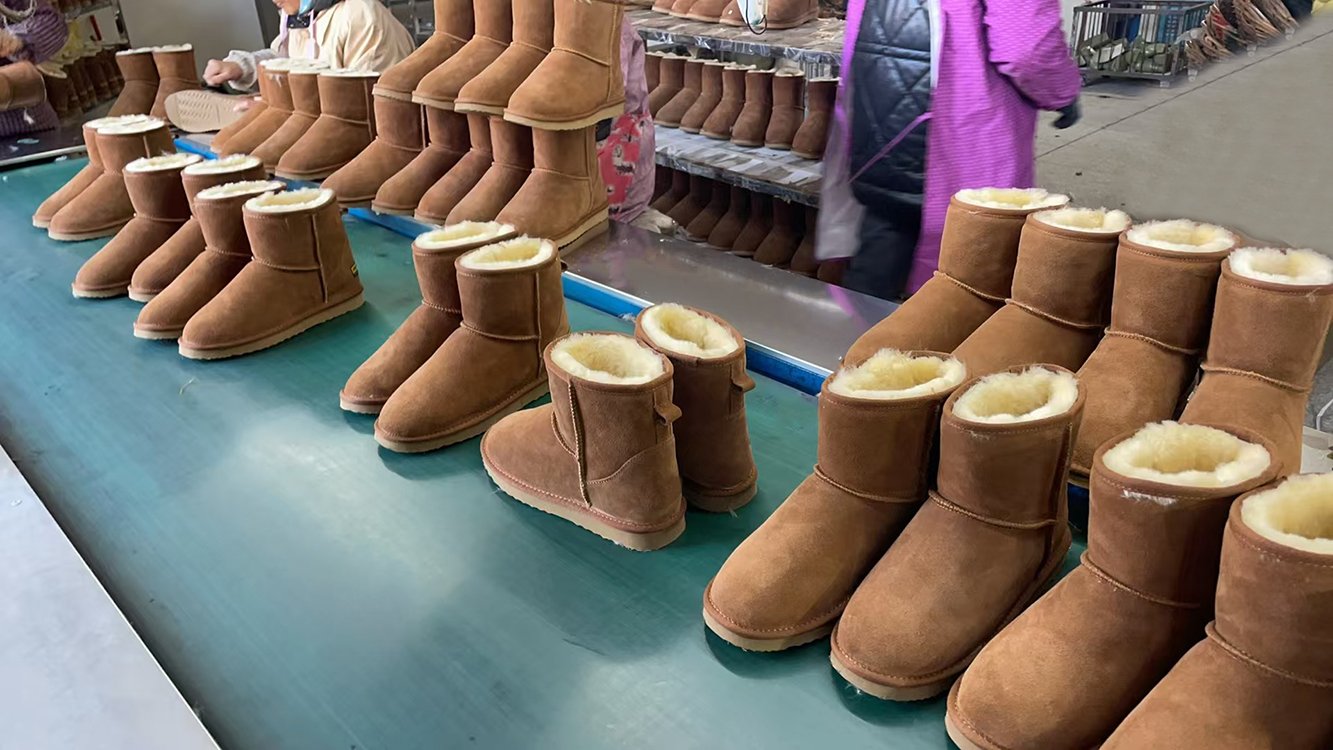
Traditional production focuses on efficiency. Custom production focuses on flexibility.
Key Changes in the Supply Chain
| Traditional Model | Custom Model |
|---|---|
| Large volume orders | Small batch production6 |
| Fixed designs | Flexible design adaptation |
| Long lead times | Faster response cycles |
| Limited factories | Specialized factory networks |
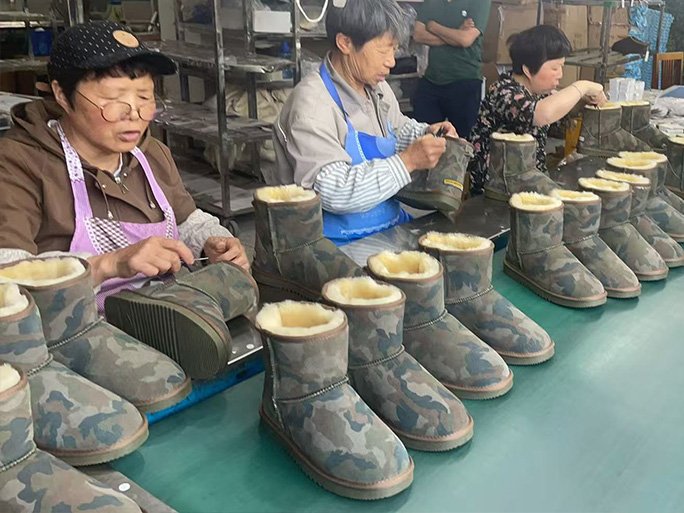
I rely heavily on multiple factory partners. This often involves OEM/ODM footwear manufacturing China7, where production is matched to different design and order requirements.
Another important point is digital tools. Virtual sampling8 reduces errors and speeds up communication.
Customization also helps reduce inventory risk. Instead of guessing trends, brands can test designs in small quantities, improving inventory risk reduction strategies9.
Is Sustainability Driving Custom Sheepskin Boot Growth?
Many people think customization is only about style. I used to think that too. But sustainability plays a huge role behind the scenes.
Sustainability supports this shift by reducing overproduction and enabling better material choices.
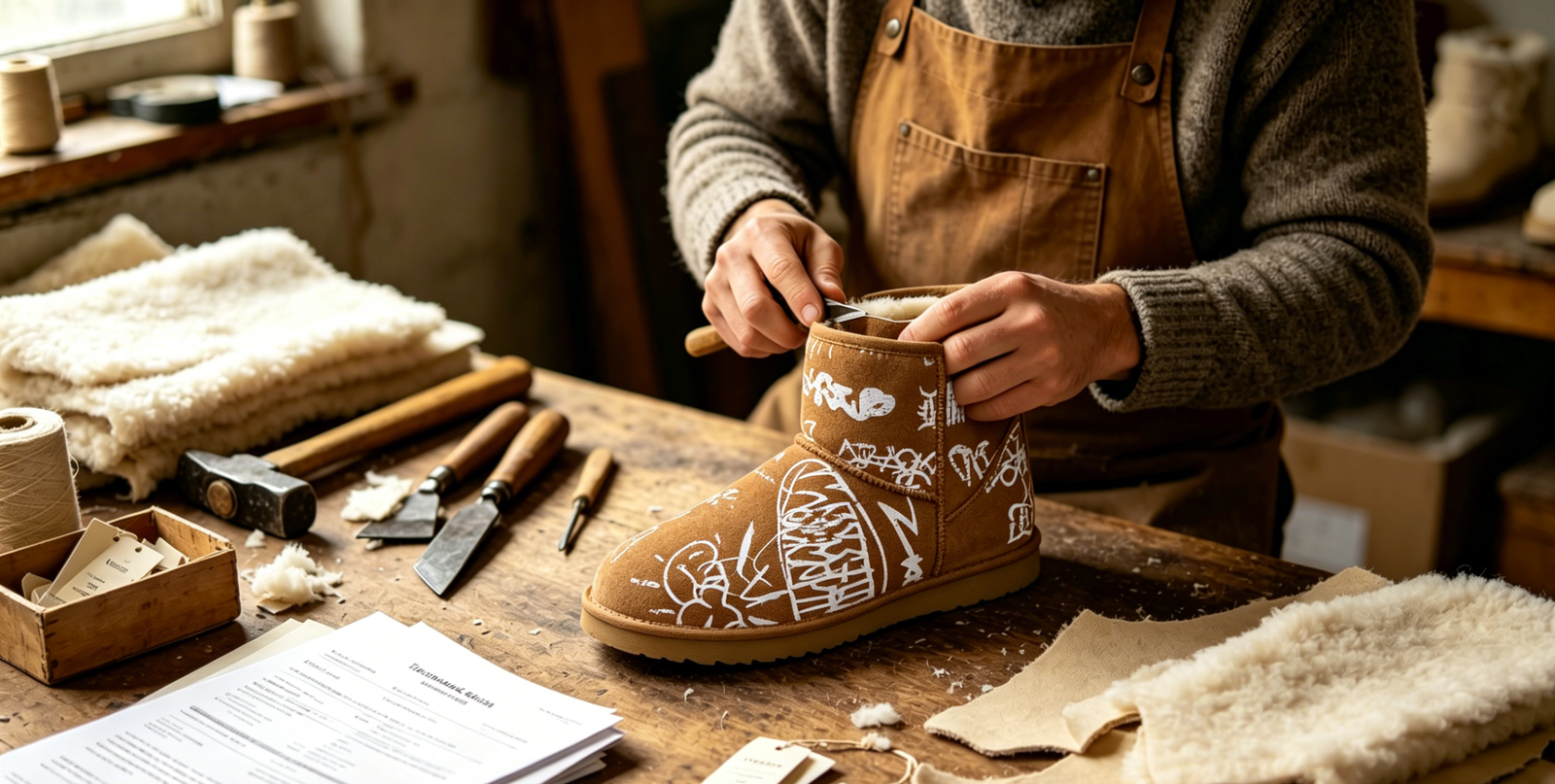
Brands increasingly focus on sustainability in fashion10 and responsible sourcing.
Sustainability Meets Customization
| Sustainability Element | Customization Advantage |
|---|---|
| Eco materials | Select specific materials per order |
| Waste reduction | Produce only what is needed |
| Ethical sourcing | Transparent supply chains |
Sheepskin itself has strong natural benefits, and understanding sheepskin material properties2 helps explain why it remains popular in winter footwear.
There is also growing use of eco-friendly materials11 in production.
How Are Custom Designs Expanding Market Opportunities?
Custom designs are turning functional boots into fashion items influenced by global trends.
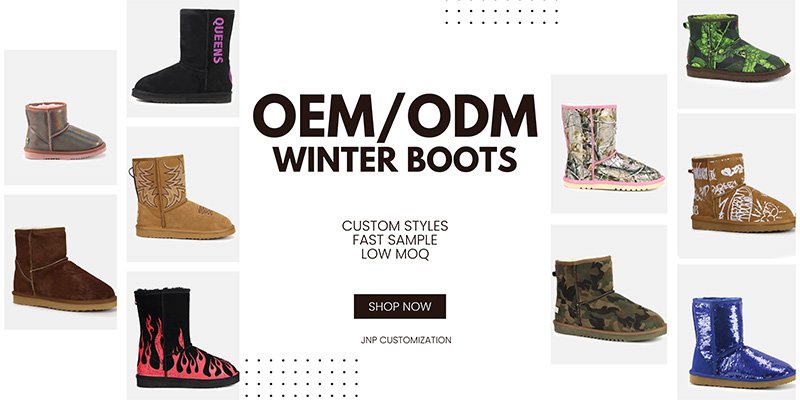
A major driver is social media influence on fashion trends12, which accelerates demand for new styles.
Market Expansion Through Design
| Design Innovation | Market Impact |
|---|---|
| Fashion-forward styles | Attract younger buyers |
| Seasonal adaptations | Extend selling periods |
| Collaboration designs | Boost brand visibility |
Earlier, most designs were limited to basic winter use cases. Now, customization allows faster response to trends, supported by flexible production systems.
Conclusion
Custom sheepskin boots are transforming winter footwear by combining personalization, sustainability, and flexible production, creating new opportunities for brands to stand out and grow.
📌 Footnotes
“Custom sheepskin boots” refers to personalized winter footwear made from sheepskin material, often customized in design, color, branding, and fit to meet specific customer or brand requirements. ↩
Sheepskin is a natural material known for its insulation, breathability, moisture-wicking ability, and comfort, making it highly suitable for winter footwear. ↩
Customization in manufacturing (mass customization) is a production approach that allows products to be tailored to individual customer needs while maintaining scalable production efficiency. ↩
Gen Z fashion behavior refers to the purchasing habits of younger consumers who prioritize individuality, trend responsiveness, and social media-driven aesthetics. ↩
Supply chain flexibility is the ability of a manufacturing system to adapt quickly to changes in demand, design, or production volume without major delays or cost increases. ↩
Small batch production refers to manufacturing limited quantities per order, allowing brands to reduce inventory risk and test market demand more effectively. ↩
OEM/ODM footwear manufacturing in China refers to original equipment manufacturing and original design manufacturing partnerships where factories produce or co-develop shoes for brands. ↩
Virtual sampling is a digital product development process that allows brands to visualize and refine designs before physical production, reducing cost and errors. ↩
Inventory risk reduction strategies involve minimizing overproduction and unsold stock by using data-driven demand forecasting and small-batch production models. ↩
Sustainability in fashion focuses on reducing environmental impact through ethical sourcing, reduced waste, and responsible production practices. ↩
Eco-friendly materials are raw materials sourced or processed in ways that minimize environmental harm, such as recycled fibers or low-impact dyes. ↩
Social media influence on fashion trends describes how platforms like Instagram and TikTok accelerate trend cycles and shape consumer demand for visual styles. ↩