After 16 years in foreign trade and footwear, JNP has learned why the same slipper design can fit differently across factories: a size label does not define the last, the internal space or how the upper holds the foot.
A factory may already have lasts, patterns and cutting dies developed around the size ranges and fit expectations of the markets it serves most often. As a footwear sourcing and production partner, JNP helps brands assess whether that existing base is suitable for their target market. When a buyer moves a style to another factory—or asks for a different market’s size range—those existing tools may no longer be the right starting point.
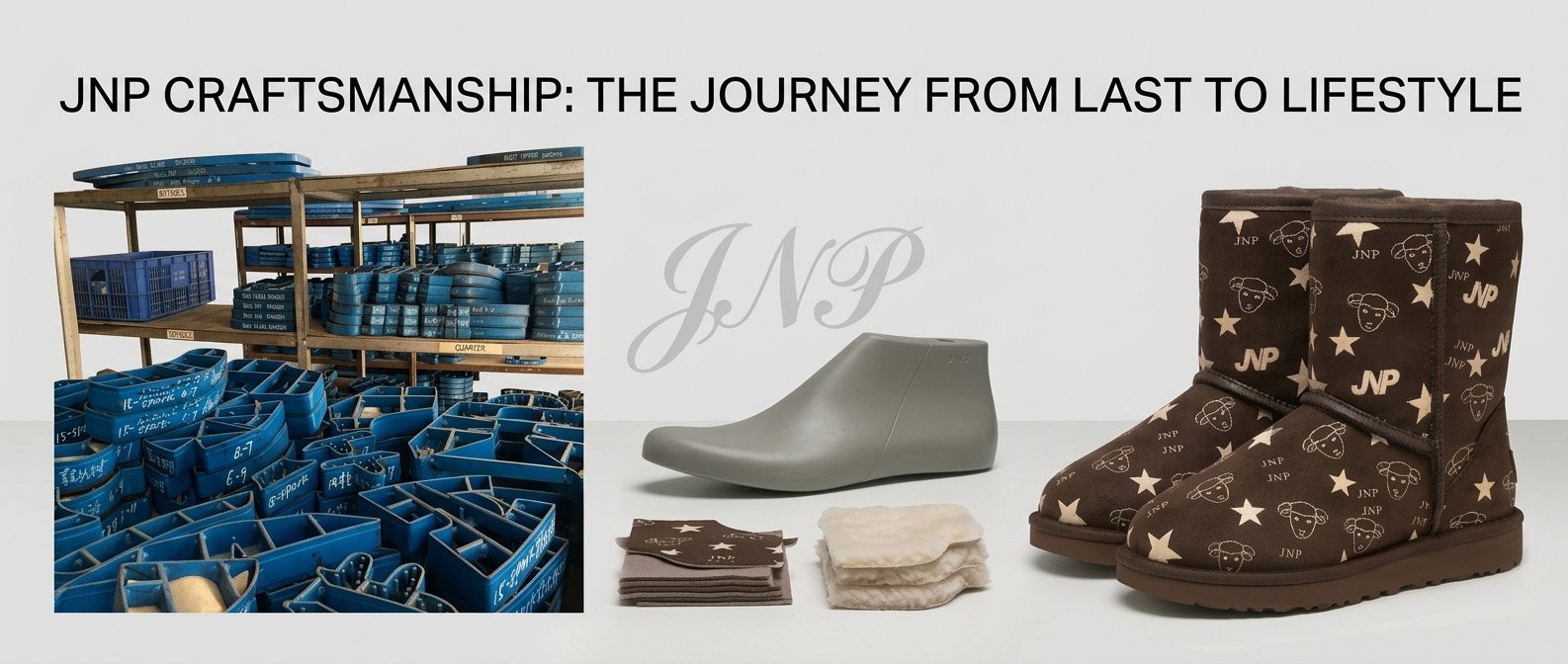
Why Is the Same Slipper Size Not the Same Fit?
A size label is only one reference; it does not describe every dimension that affects how a slipper feels on the foot.
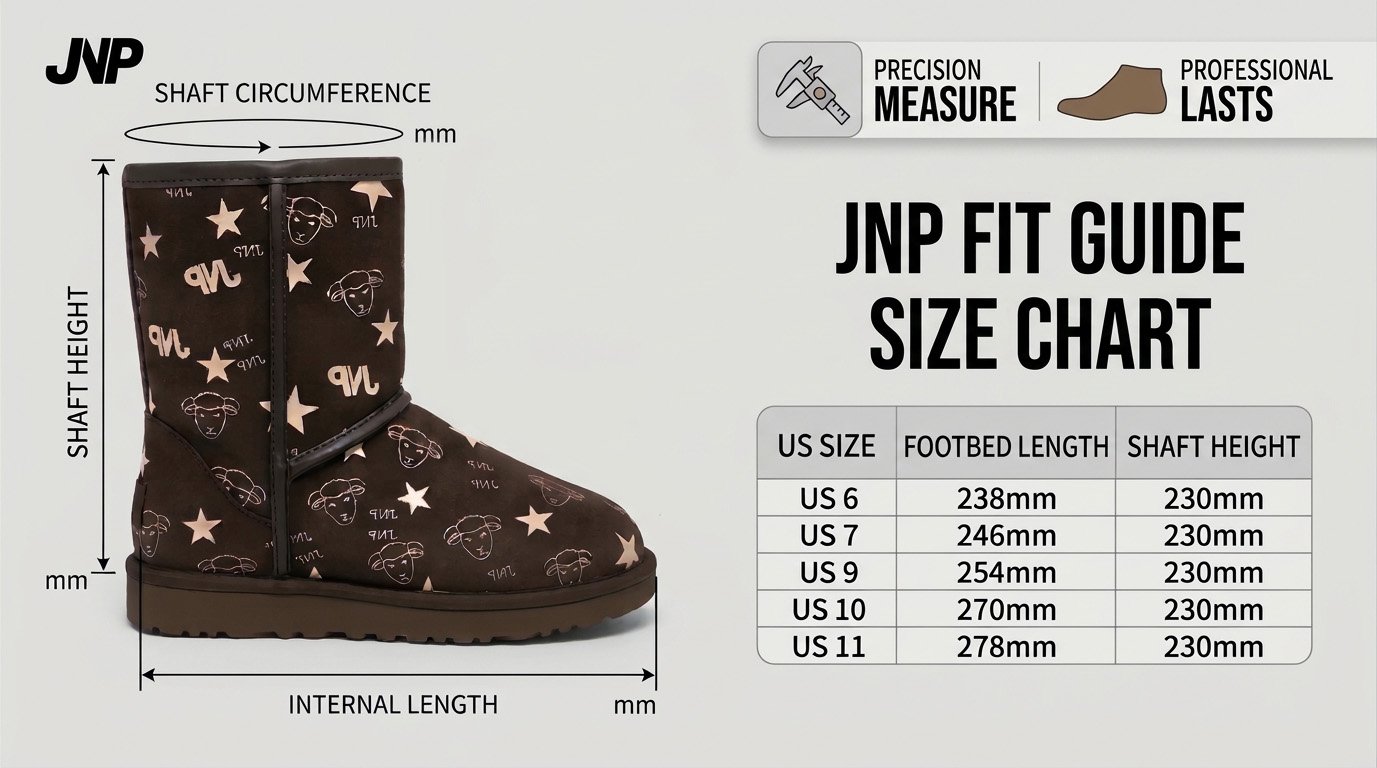
Footwear size systems help identify an intended size, but a finished product also has a last—the form around which the slipper is built—and an internal space. Forefoot room, ball girth, instep volume and the shape of the upper can all change how a slipper feels. A boot-style slipper has another dimension to consider: how the shaft opening and circumference sit around the wearer.
For buyers who need to evaluate these details, understanding footwear last measurement1 provides a useful starting point for discussing the shape and dimensions of the tooling used in production.
China’s standards authority treats size conversion, last measurement and shoe-internal length as separate footwear topics. That is a useful reminder that converting a size number is not the same as checking the last or the space inside the finished slipper. The standards announcement describes separate standards for these measurement areas.
The step between size marks also depends on the sizing system, not just the market. A multi-region footwear study describes 5 mm full-size length increments in Mondopoint, 6.67 mm in European sizing, and 4.23 mm half-size increments in UK and U.S. systems. These figures refer to intended foot-length intervals, not the finished slipper outsole or a factory’s pattern grading. The study explains the size-system intervals.
The same study analyzed more than 1.2 million retail foot scans and found regional and sex-related differences in dimensions such as width and instep height, alongside substantial variation within each group. In its dataset, Asian feet were wider on average than European and North American feet at the same foot length. The scans came from retail customers and were unevenly distributed across regions, so they are not a universal fit chart or a test of slipper factories. The evidence supports checking the intended wearer and the specific product dimensions rather than relying on “Asian” or “Western” as a fit specification.
When assessing shoe fitting and internal dimensions2, buyers should consider the intended wearer, the slipper construction and the dimensions relevant to that particular style.
In JNP’s development discussions, we start by asking which market the slipper is intended for and what size range the buyer plans to sell. A label by itself cannot tell us which existing last and size set will be the right starting point.
How Does a Factory’s Market History Affect Its Lasts and Size Sets?
A factory’s order history can shape the lasts, patterns and size ranges it already knows how to produce.
In JNP’s experience, a factory focused mainly on domestic orders may have a tooling library that suits those orders. A factory that has served European or U.S. buyers for years may already have lasts and cutting dies that are closer to the size ranges and product dimensions those customers need. That does not make one factory better in every case; it means the factory’s existing experience may fit one project more closely than another.
This matters when a buyer finds a style in a limited size range and wants to sell it in a different market. A supplier’s existing sample may look right, but extending the style is not always a matter of making the largest size a little longer.
The forefoot width, other last dimensions and, for boot-style slippers, the shaft circumference or opening may also need to be considered. New lasts, dies or patterns may be needed, and a mature size set still needs physical fit review across sizes.
Understanding footwear size grading3 can help buyers ask how a supplier develops the pattern and dimensions for each size, including whether the proposed size range requires additional tooling.
Our export work includes Europe, the United States, Australia and New Zealand. Over that time, we have built familiarity with the requirements of these markets and developed relevant lasts and cutting dies.
When a new customer can provide a sample, we use it as a reference for discussing the target-market version and the size range. The sample is a starting point for development, not proof that every size will fit without review.
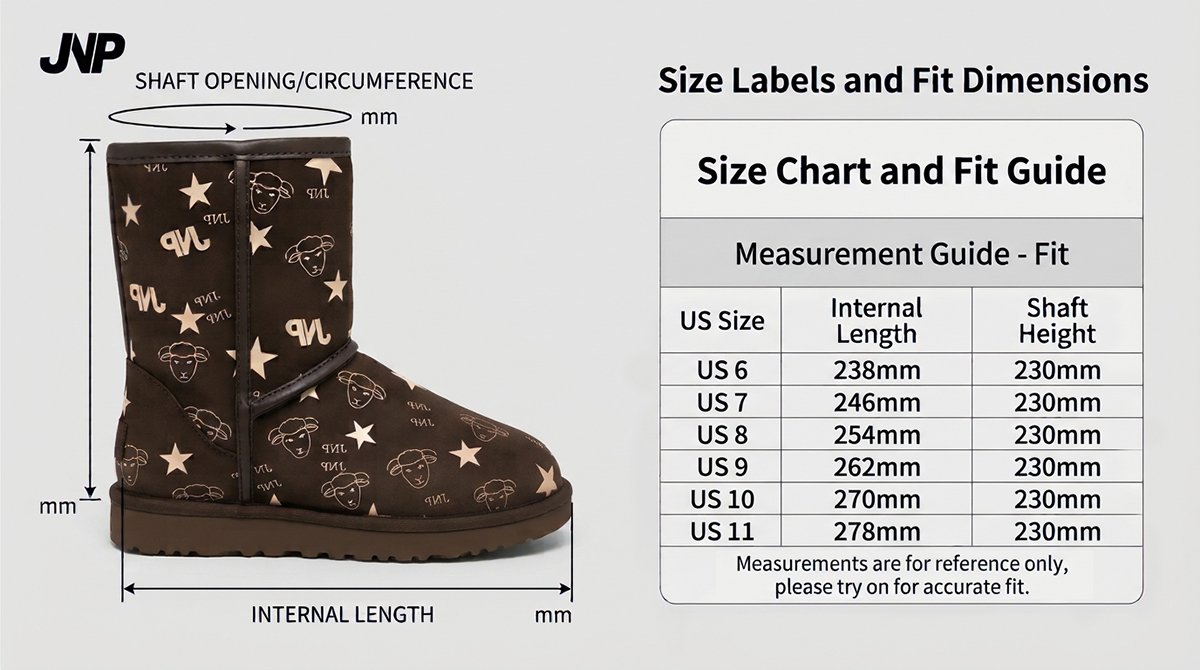
What Should Buyers Check Before a Small Trial Order?
Ask whether the factory has developed the same type of slipper for your target market, then confirm the fit with a sample.
Start by sharing where the slipper will be sold, who will wear it and which size range you need. If you have an approved sample, send it as a reference and explain what must stay the same. This gives the supplier more useful information than the size label alone.
Then ask whether the factory already has a suitable last and size set for that market, or whether the project would need new tooling and development. A factory’s past experience is a useful screening clue, not a guarantee. The sample should still be checked against the intended wearer and the dimensions that matter for that style.
A structured footwear fit testing4 process helps buyers assess whether a development sample meets the intended fit requirements before production approval.
This conversation is especially important for a small trial order. If a factory already has a relevant last and tooling base, it may be easier to assess a workable route.
If it needs to build a new size set from the beginning, the development effort may be quite different. JNP can review a reference sample and discuss a market-specific development path based on our export experience and existing tooling; the exact route depends on the slipper and the requested size range.
Beyond fit, buyers should also clarify the supplier's footwear quality management5 process, including how samples are approved and how production consistency is checked.
If you are still comparing suppliers, our guide to choosing a slipper manufacturer explains why product-development experience and factory qualifications are different questions.
The most useful question is not simply, “Can you make this slipper?” It is, “Have you made this kind of slipper for my target market, and how will we confirm the fit before production?” That answer can help you decide whether an existing size set is a good starting point or whether the project needs further development.
Footnotes
A technical footwear resource explaining what a footwear last is, how it determines the shape of a shoe or slipper, and which measurements buyers can discuss with a manufacturer. ↩
A footwear fitting resource explaining how internal length, forefoot width, ball girth and instep volume can affect fit, helping buyers evaluate more than the size label. ↩
A technical reference describing footwear size grading, including how patterns and product dimensions are adjusted across a size range and why grading is not simply a uniform increase in length. ↩
A technical resource explaining footwear fit testing and sample evaluation, helping buyers understand why fit should be checked before approving bulk production. ↩
A footwear manufacturing quality-management resource describing sample approval, production inspection and consistency checks, helping wholesale buyers assess how a supplier manages product quality. ↩